Top 2026 Commercial Real Estate Issues to Watch: What Pros Need to Know Right Now
Economic uncertainty, AI transformation, evolving population trends, and rising portfolio risks are shaping the 2026 commercial real estate landscape, according to the Counselors of Real Estate and the National Association of Realtors®. For professionals across Florida and the nation, these shifts open both opportunities and challenges—especially for those committed to growth through ongoing professional education.
1. Fiscal & Monetary Policy
Even with a soaring $37 trillion national debt and geopolitical tension, the U.S. economy continues to hold firm. But commercial real estate hasn’t enjoyed the same resilience—especially B‑ and C‑class offices.
What it means for you: Those who understand monetary movements will stay ahead of the market.
2. Portfolio Risk
Risk analysis is becoming highly technical. Climate exposure, insurance volatility, and regulatory forces now shape investment decisions. Tools like predictive analytics, drones, and climate‑risk software are rapidly becoming the norm.
Bottom line: Risk fluency is becoming a specialty of its own.
3. Back to Real Estate Fundamentals
With cap rate compression fading, asset managers must return to essentials: location strength, tenant satisfaction, and operational performance.
Translation: Operational excellence beats timing the market.
4. Capital Sources & Flows
Transaction volume has slowed, tightening investment channels. Foreign investors remain cautious, while CRE capital competes with exploding infrastructure sectors like energy and data networks.
Expect: More work—and more scrutiny—when securing funding.
5. Tech Transformation & AI
AI is surging through CRE—from automated underwriting to building optimization. But system fragmentation remains a major obstacle for data consistency.
The warning: Professionals who avoid AI risk falling behind quickly.
6. The Future of Real Estate Decision‑Making
The industry is shifting toward constant data‑driven recalibration using Bayesian models. Gut-feel decision-making is taking a back seat.
Key skill: Real‑time analytical discipline.
7. Global Chess & Market Uncertainty
Rates, tariffs, and global tensions continue to reshape planning. What appears safe today may change quickly.
Advice: Flexibility and multi-scenario preparation are essential.
8. Housing Attainability Crisis
America’s housing shortage continues to intensify. Rhode Island alone requires 40,000 units yet hasn’t built over 3,000 in a year in two decades.
Solution: Zoning reform and public‑private collaboration.
9. Pricing Risk
Nearly $1 trillion in commercial loans mature in 2025 with more peaks ahead. Refinancing pressures will create select distressed opportunities—though not at fire‑sale levels.
Outlook: Strategic timing will matter more than ever.
10. Population & Workforce Flow
Reduced immigration, delayed household formation, and shifting workforce demographics are reshaping developer strategies.
Shift: High‑density, youth‑attracting markets are becoming safer bets.
For professionals navigating these changes, education becomes your competitive edge. Whether you’re earning a license or leveling up your expertise in real estate, mortgage, insurance, finance, or other professional paths, Cameron Academy provides the high‑impact training needed to stay ahead in 2026 and beyond.
Getting licensed or staying ahead in your career can be a journey—but it doesn’t have to be overwhelming. Grab your favorite coffee or tea, take a moment to relax, and browse through our articles. Whether you’re just starting out or renewing your expertise, we’ve got tips, insights, and advice to keep you moving forward. Here’s to your success—one sip and one step at a time!
Palm Beach protests erupted as intensified immigration enforcement reached the heart of Trump’s hometown, while millions in Florida brace for rising health care costs as key subsidies near expiration. At the same time, state regulators boldly declare the long‑running property insurance crisis “over,” leaving homeowners and industry professionals questioning whether true stability has finally returned.
As 2025 comes to a close, the real estate industry is shifting from uncertainty to strategic expansion. According to DWS’s Year-End 2025 Outlook, property values are stabilizing after years of repricing, capital is concentrating on high-quality assets, and Sunbelt markets—especially Florida—continue to outperform. With technology enhancing rather than replacing professional expertise, 2026 is shaping up to reward professionals who stay informed, skilled, and strategically positioned for the next cycle.
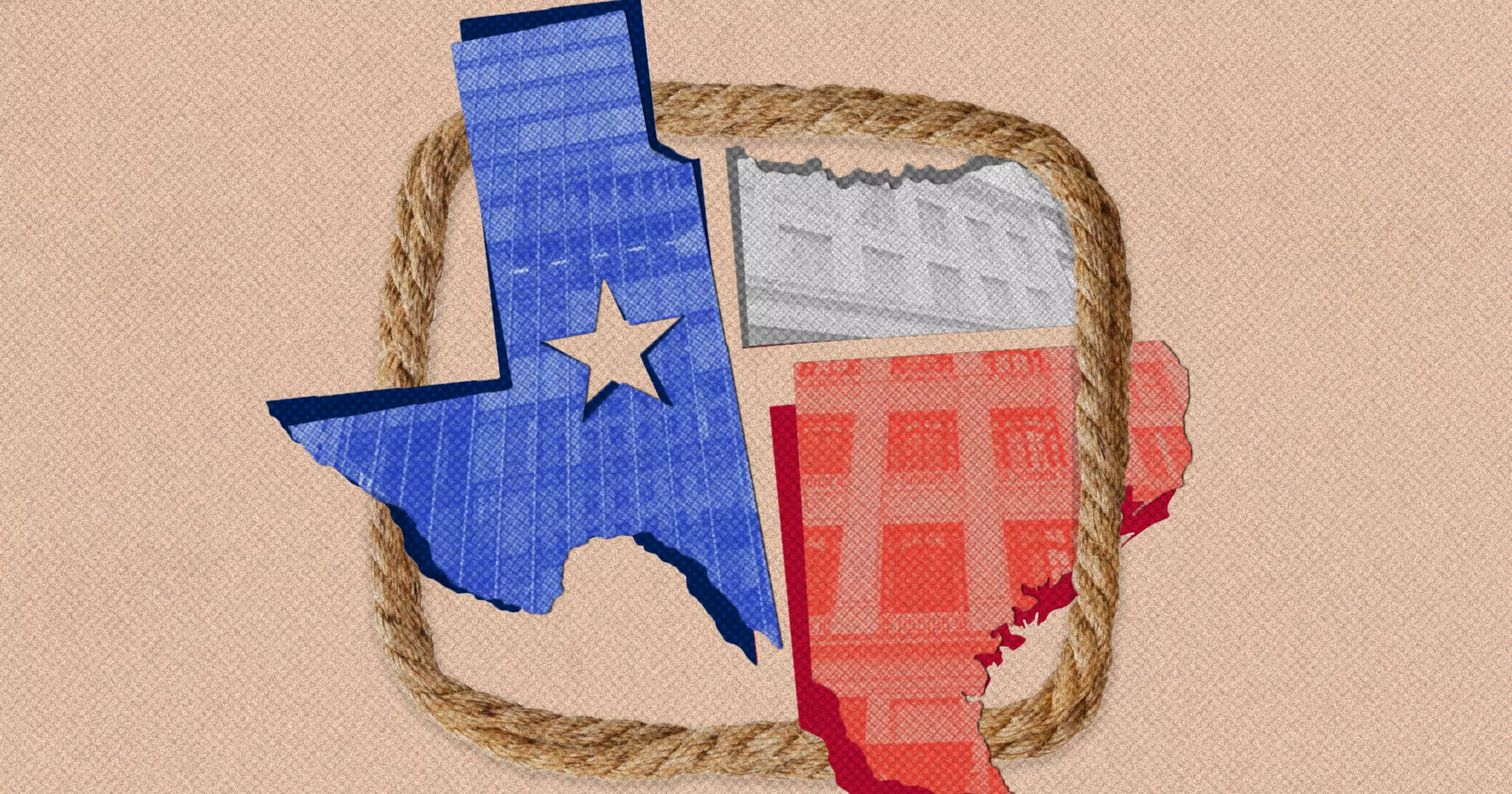
Texas capital is pouring into San Francisco’s long‑struggling commercial real estate market, with Lone Star investors buying up discounted Union Square buildings and signaling what many experts believe is the city’s market bottom. As office activity and confidence begin to return, buyers from across the country are joining the rush, turning SF’s post‑pandemic slump into one of the nation’s hottest bargain opportunities.
With 2026 HousingWire Tech100 nominations closing on December 19, the housing tech sector is accelerating at full speed. AI‑powered data platforms, digital closing breakthroughs, embedded insurance growth, and next‑generation servicing automation are reshaping real estate, mortgage, insurance, and finance. From ATTOM’s AI‑ready property intelligence to Hapi Homes’ Martha Stewart design revival, Obie’s nationwide expansion, Outamation’s servicing automation, and ServiceLink’s next‑level borrower scheduling, this year’s standout innovators are defining the future of the housing economy.
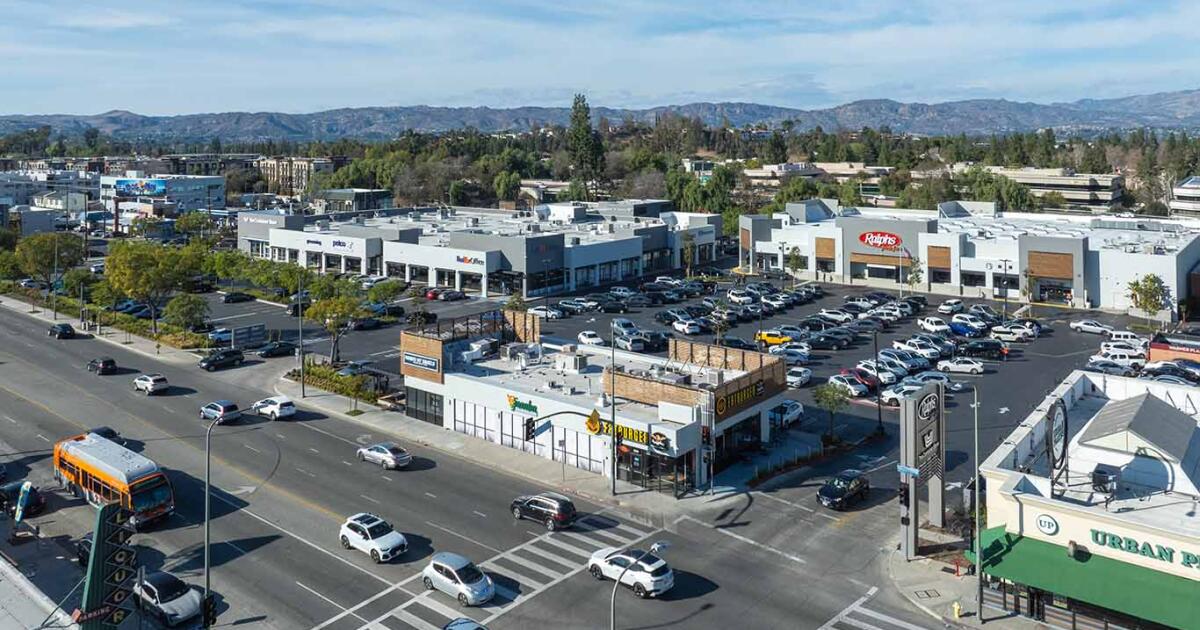
Space Investment Partners has acquired the 123,402‑square‑foot Topanga Gateway retail center in Woodland Hills for $64 million, marking another significant move in the firm’s expanding grocery‑anchored investment strategy. Located at a high‑visibility intersection and 97% occupied at the time of sale, the property strengthens the company’s push toward $500 million to $1 billion in retail acquisitions for 2026, underscoring continued investor confidence in necessity‑based retail assets.
After the Federal Reserve’s final 2025 rate cut on December 10, mortgage markets are recalibrating, giving buyers and homeowners a glimmer of relief. Rates remain lower than earlier in the year, with 30-year fixed loans at 6.12% and refinances dipping as well. This shift may spark renewed activity for buyers, refinancers, and real estate professionals heading into 2026.