Top 2026 Commercial Real Estate Issues to Watch: What Pros Need to Know Right Now
Economic uncertainty, AI transformation, evolving population trends, and rising portfolio risks are shaping the 2026 commercial real estate landscape, according to the Counselors of Real Estate and the National Association of Realtors®. For professionals across Florida and the nation, these shifts open both opportunities and challenges—especially for those committed to growth through ongoing professional education.
1. Fiscal & Monetary Policy
Even with a soaring $37 trillion national debt and geopolitical tension, the U.S. economy continues to hold firm. But commercial real estate hasn’t enjoyed the same resilience—especially B‑ and C‑class offices.
What it means for you: Those who understand monetary movements will stay ahead of the market.
2. Portfolio Risk
Risk analysis is becoming highly technical. Climate exposure, insurance volatility, and regulatory forces now shape investment decisions. Tools like predictive analytics, drones, and climate‑risk software are rapidly becoming the norm.
Bottom line: Risk fluency is becoming a specialty of its own.
3. Back to Real Estate Fundamentals
With cap rate compression fading, asset managers must return to essentials: location strength, tenant satisfaction, and operational performance.
Translation: Operational excellence beats timing the market.
4. Capital Sources & Flows
Transaction volume has slowed, tightening investment channels. Foreign investors remain cautious, while CRE capital competes with exploding infrastructure sectors like energy and data networks.
Expect: More work—and more scrutiny—when securing funding.
5. Tech Transformation & AI
AI is surging through CRE—from automated underwriting to building optimization. But system fragmentation remains a major obstacle for data consistency.
The warning: Professionals who avoid AI risk falling behind quickly.
6. The Future of Real Estate Decision‑Making
The industry is shifting toward constant data‑driven recalibration using Bayesian models. Gut-feel decision-making is taking a back seat.
Key skill: Real‑time analytical discipline.
7. Global Chess & Market Uncertainty
Rates, tariffs, and global tensions continue to reshape planning. What appears safe today may change quickly.
Advice: Flexibility and multi-scenario preparation are essential.
8. Housing Attainability Crisis
America’s housing shortage continues to intensify. Rhode Island alone requires 40,000 units yet hasn’t built over 3,000 in a year in two decades.
Solution: Zoning reform and public‑private collaboration.
9. Pricing Risk
Nearly $1 trillion in commercial loans mature in 2025 with more peaks ahead. Refinancing pressures will create select distressed opportunities—though not at fire‑sale levels.
Outlook: Strategic timing will matter more than ever.
10. Population & Workforce Flow
Reduced immigration, delayed household formation, and shifting workforce demographics are reshaping developer strategies.
Shift: High‑density, youth‑attracting markets are becoming safer bets.
For professionals navigating these changes, education becomes your competitive edge. Whether you’re earning a license or leveling up your expertise in real estate, mortgage, insurance, finance, or other professional paths, Cameron Academy provides the high‑impact training needed to stay ahead in 2026 and beyond.
Getting licensed or staying ahead in your career can be a journey—but it doesn’t have to be overwhelming. Grab your favorite coffee or tea, take a moment to relax, and browse through our articles. Whether you’re just starting out or renewing your expertise, we’ve got tips, insights, and advice to keep you moving forward. Here’s to your success—one sip and one step at a time!
Florida now holds the highest foreclosure rate in the country, and Tampa sits at the center of the surge. With one in every 1,373 homes facing foreclosure, skyrocketing insurance premiums, rising housing costs and reduced equity are pushing many homeowners—especially those who purchased between 2020 and 2023—into financial distress. While some experts view the spike as a market “normalization,” professionals in real estate and finance are watching closely as Tampa’s backlog clears and pressure continues to build across the state.
Two former 3M campuses in Northwest Austin are set for a dramatic rebirth as Karlin Real Estate pushes forward with plans for Highpoint 2222 and the Duval site. The vision includes office and lab space, up to 65,000 square feet of retail, more than 1,200 multifamily homes, and new green space. With over 500 residents weighing in through the 2222 Coalition of Neighborhood Associations, traffic, density, and environmental protections are shaping the final blueprint. As office demand cools, mixed‑use development is becoming the new normal—positioning this corridor for one of the biggest transformations Austin has seen in years.
Despite constant headlines about a “housing crisis,” many economists and industry professionals argue the reality is more nuanced. In many regions, the issue isn’t a lack of homes but a mismatch between what’s available and what buyers want or can afford. As demographic shifts and remote work reshape demand, the market is evolving—not collapsing—creating opportunities for real estate, mortgage, insurance, and finance professionals who understand the difference between perception and reality.
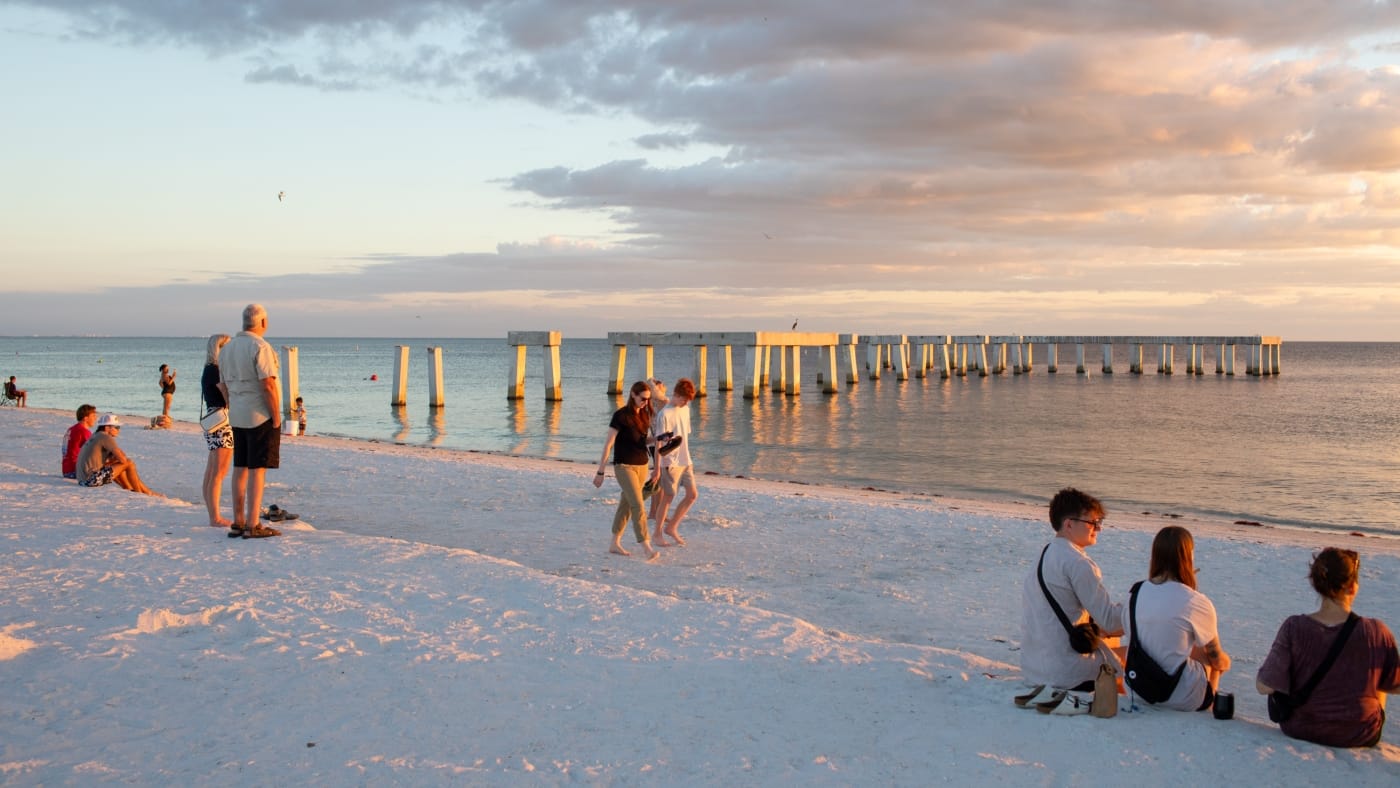
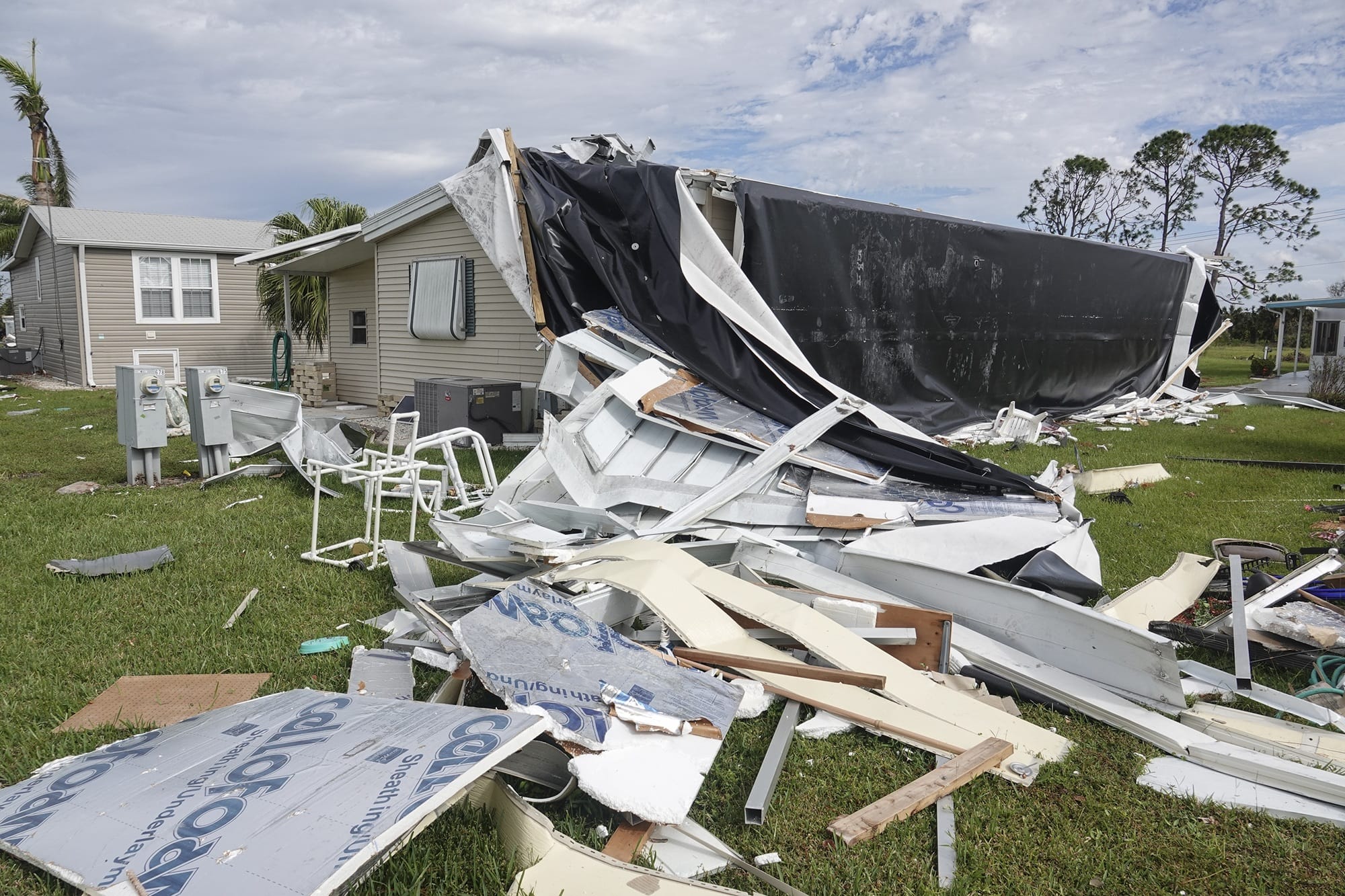
Hurricane Ian’s aftermath has exposed a growing affordability crisis across Southwest Florida. Skyrocketing insurance premiums, soaring construction costs, and rapid gentrification are making it harder for long‑time residents and middle‑class families to stay in their communities. From Fort Myers Beach to inland neighborhoods, homeowners, renters, and small businesses are feeling the pressure as rising costs reshape the region’s housing market and push many to reconsider their future in the state.
Florida’s home insurance market is facing its biggest credibility crisis in years. Despite major reforms meant to stabilize the system, homeowners are being pushed from Citizens into higher‑priced private insurers, many tied to companies that previously collapsed. Questionable financial ratings, high claim‑denial rates, and luxury‑level executive payouts are raising red flags across the state. For real estate and insurance professionals, this unstable landscape is reshaping home affordability, buyer confidence, and long‑term risk in Florida’s property market.
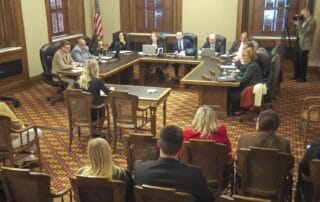
A new Michigan House bill aims to let licensed professionals complete all continuing education requirements online, offering greater flexibility for workers juggling rural travel, multiple jobs, or family demands. Supporters say the reform maintains high professional standards while removing unnecessary barriers, with regulators backing the shift and in‑person options remaining available.