Top 2026 Commercial Real Estate Issues Every Professional Should Watch
Economic uncertainty. AI acceleration. Slower population growth. Rising portfolio risk. These forces are shaping the commercial real estate landscape heading into 2026, according to new insights presented at NAR NXT by The Counselors of Real Estate. For professionals navigating real estate, finance, mortgages, appraisal, or investment, this year rewards those who stay informed — and challenges those who don’t.
As always, Cameron Academy is committed to helping professionals stay ahead. Whether you’re elevating your Florida real estate career or expanding into other licensed professions nationwide, staying aware of industry shifts is just as important as earning the license itself.
Source Spotlight: This article summarizes insights from Florida Realtors and the National Association of Realtors. For deeper coverage and commentary, visit the original post.
Even with a $37 trillion national debt and ongoing global disruptions, the U.S. economy continues holding strong. Yet uneven benefits across real estate sectors leave office (especially B and C classes) and for-sale housing vulnerable.
Takeaway: Real estate continues serving as a stabilizing force unless major policy shifts occur.
2. Portfolio Risk
Modern risk management now factors in climate exposure, insurance spikes, regulatory shifts, financing vulnerability, and more. Traditional models aren’t enough.
Takeaway: Data-driven risk analysis is becoming its own specialized discipline.
3. Back to the Fundamentals
The days of riding compressed cap rates are gone. Operational excellence, tenant relationships, and strategic asset management matter more than ever.
Takeaway: Strong fundamentals — demand drivers, operations, location, and tenant satisfaction — will define winners.
4. Capital Sources & Flows
Foreign investment is cooling. Transactions are slowing. Capital is harder to secure — and harder to return. Investors are exploring competing sectors like energy and digital infrastructure.
Takeaway: Clear strategies around liquidity and long-term value are now essential.
5. Technology Transformation
AI is reshaping CRE: underwriting, property operations, predictive modeling, and cybersecurity all rely on it. Meanwhile, fragmented building systems create barriers to unified data access.
Takeaway: Owners must gain control of their building data streams — or risk falling behind.
6. A New Era of Decision-Making
AI supercharges Bayesian-style decision-making, allowing professionals to adjust strategies continuously as new information emerges.
Takeaway: Strategic data mastery is replacing the old “location, location, location” rule.
7. Global Chess: Confidence & Uncertainty
Geopolitical friction, interest rate unpredictability, and global trade tensions complicate forecasting. Even smart investment decisions require heightened caution.
Takeaway: Expert judgment becomes a premium asset in a high-uncertainty environment.
8. Housing Attainability
From first-time buyers to seniors, housing supply remains far behind demand. States like Rhode Island need tens of thousands of new units to catch up.
Takeaway: Solving the housing challenge requires unified public and private strategy.
9. Pricing Risk
Nearly $1 trillion in commercial loans mature in 2025, with peaks continuing through 2027. Refinancing will be tough, but long-term investors may find emerging opportunities.
Takeaway: Pricing gaps will likely close by 2028, slowly reviving activity.
10. The Flow of People
Population and household formation are slowing. Millennials are leveling out, Gen Z is not yet fully engaged in the housing market, and immigration declines add pressure.
Takeaway: Developers must rethink density, workforce hubs, and urban vibrancy.
Ready to deepen your real estate expertise? Cameron Academy offers modern, flexible, fully online licensing programs — from Florida real estate to mortgage, insurance, and numerous professional pathways nationwide.
Getting licensed or staying ahead in your career can be a journey—but it doesn’t have to be overwhelming. Grab your favorite coffee or tea, take a moment to relax, and browse through our articles. Whether you’re just starting out or renewing your expertise, we’ve got tips, insights, and advice to keep you moving forward. Here’s to your success—one sip and one step at a time!
Flood insurance premiums across Florida are climbing fast, with more than 80% of NFIP policyholders seeing annual increases under FEMA’s Risk Rating 2.0. Some counties now face hikes exceeding $3,500 per year, adding pressure in a state where homeowners insurance already averages nearly $11,000 annually. As risk-based pricing takes hold and climate impacts intensify, Florida homeowners — and the real estate pros who advise them — must prepare for continued premium growth and major county‑to‑county disparities.
As insurers step into 2026, the property and casualty market shows its first signs of real stability after several turbulent years. Q4 results reveal disciplined underwriting, cooling rate hikes, and steady premium growth across major carriers. Commercial lines show selective momentum, personal lines begin to level out, and AI-driven efficiency becomes the industry’s new engine for profitability. With catastrophe losses moderating and tech adoption accelerating, professionals across insurance, real estate, and finance can expect a pivotal year—and an ideal moment to sharpen their skills through continuing education.
A new CBRE survey shows that most U.S. commercial real estate investors expect to increase their property purchases in 2026, signaling renewed confidence and market stabilization. Dallas remains the nation’s top target for the fifth straight year, followed by high‑growth metros like Atlanta, San Francisco, Miami, Charlotte, Raleigh‑Durham, Nashville, Tampa, Seattle, and New York City. These cities continue to draw strong investor interest due to population growth, business expansion, and robust development activity.
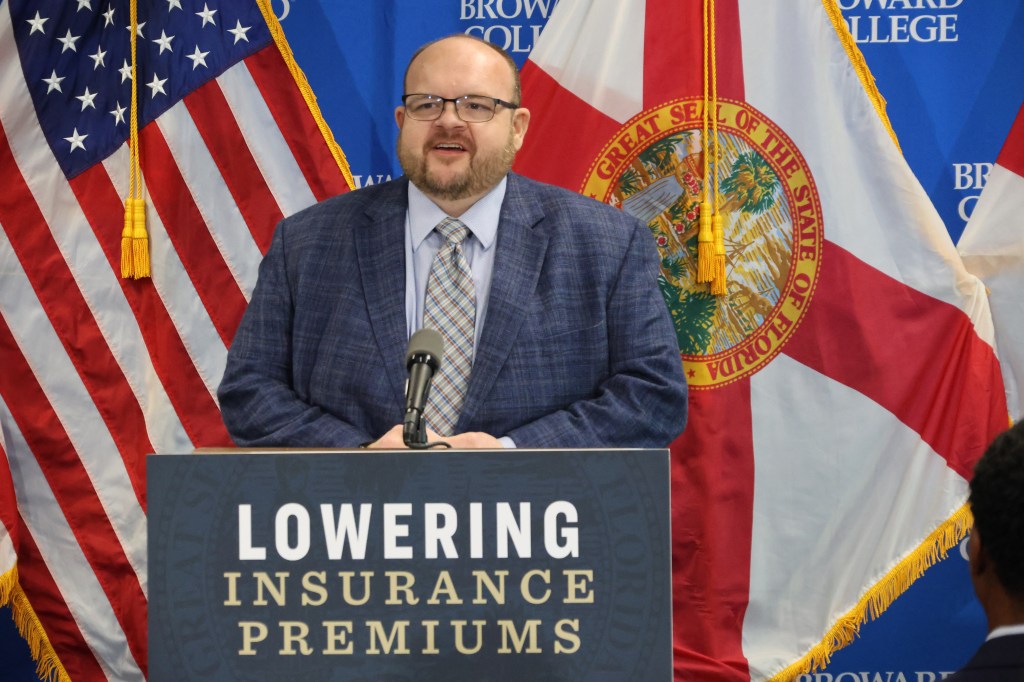
Florida Insurance Commissioner Michael Yaworsky says the state's turbulent property insurance market is finally calming, with Florida posting the lowest rate increases in the nation last year. Yet rising home replacement costs mean many homeowners won’t see relief in their premiums just yet. With Citizens Insurance shrinking, new legislative priorities emerging, and long‑term reforms taking hold, Florida’s real estate and insurance professionals are entering 2026 with cautious optimism and a clearer picture of what’s ahead.
A new CBRE survey shows investor optimism surging as 95% plan to buy more or the same amount of commercial real estate in 2026, with over half increasing their capital allocation. Stabilizing values, improving fundamentals, and expected relief in debt costs are driving renewed confidence, putting markets like Dallas, Atlanta, and Tampa in the spotlight as multifamily and industrial assets lead demand.
Artificial intelligence has moved from industry buzzword to essential mortgage‑lending tool, reshaping how loan officers work, communicate and compete. From smarter lead targeting to rapid content creation and CRM‑powered automation, AI is now the dividing line between lenders who scale efficiently and those stuck in manual workflows. This article breaks down why AI adoption is no longer optional, how top lenders are using it and what mortgage professionals must do now to stay competitive.