Top 2026 Commercial Real Estate Issues Every Professional Should Watch
Economic uncertainty. AI acceleration. Slower population growth. Rising portfolio risk. These forces are shaping the commercial real estate landscape heading into 2026, according to new insights presented at NAR NXT by The Counselors of Real Estate. For professionals navigating real estate, finance, mortgages, appraisal, or investment, this year rewards those who stay informed — and challenges those who don’t.
As always, Cameron Academy is committed to helping professionals stay ahead. Whether you’re elevating your Florida real estate career or expanding into other licensed professions nationwide, staying aware of industry shifts is just as important as earning the license itself.
Source Spotlight: This article summarizes insights from Florida Realtors and the National Association of Realtors. For deeper coverage and commentary, visit the original post.
Even with a $37 trillion national debt and ongoing global disruptions, the U.S. economy continues holding strong. Yet uneven benefits across real estate sectors leave office (especially B and C classes) and for-sale housing vulnerable.
Takeaway: Real estate continues serving as a stabilizing force unless major policy shifts occur.
2. Portfolio Risk
Modern risk management now factors in climate exposure, insurance spikes, regulatory shifts, financing vulnerability, and more. Traditional models aren’t enough.
Takeaway: Data-driven risk analysis is becoming its own specialized discipline.
3. Back to the Fundamentals
The days of riding compressed cap rates are gone. Operational excellence, tenant relationships, and strategic asset management matter more than ever.
Takeaway: Strong fundamentals — demand drivers, operations, location, and tenant satisfaction — will define winners.
4. Capital Sources & Flows
Foreign investment is cooling. Transactions are slowing. Capital is harder to secure — and harder to return. Investors are exploring competing sectors like energy and digital infrastructure.
Takeaway: Clear strategies around liquidity and long-term value are now essential.
5. Technology Transformation
AI is reshaping CRE: underwriting, property operations, predictive modeling, and cybersecurity all rely on it. Meanwhile, fragmented building systems create barriers to unified data access.
Takeaway: Owners must gain control of their building data streams — or risk falling behind.
6. A New Era of Decision-Making
AI supercharges Bayesian-style decision-making, allowing professionals to adjust strategies continuously as new information emerges.
Takeaway: Strategic data mastery is replacing the old “location, location, location” rule.
7. Global Chess: Confidence & Uncertainty
Geopolitical friction, interest rate unpredictability, and global trade tensions complicate forecasting. Even smart investment decisions require heightened caution.
Takeaway: Expert judgment becomes a premium asset in a high-uncertainty environment.
8. Housing Attainability
From first-time buyers to seniors, housing supply remains far behind demand. States like Rhode Island need tens of thousands of new units to catch up.
Takeaway: Solving the housing challenge requires unified public and private strategy.
9. Pricing Risk
Nearly $1 trillion in commercial loans mature in 2025, with peaks continuing through 2027. Refinancing will be tough, but long-term investors may find emerging opportunities.
Takeaway: Pricing gaps will likely close by 2028, slowly reviving activity.
10. The Flow of People
Population and household formation are slowing. Millennials are leveling out, Gen Z is not yet fully engaged in the housing market, and immigration declines add pressure.
Takeaway: Developers must rethink density, workforce hubs, and urban vibrancy.
Ready to deepen your real estate expertise? Cameron Academy offers modern, flexible, fully online licensing programs — from Florida real estate to mortgage, insurance, and numerous professional pathways nationwide.
Getting licensed or staying ahead in your career can be a journey—but it doesn’t have to be overwhelming. Grab your favorite coffee or tea, take a moment to relax, and browse through our articles. Whether you’re just starting out or renewing your expertise, we’ve got tips, insights, and advice to keep you moving forward. Here’s to your success—one sip and one step at a time!
The Real Estate Board of New York (REBNY) has announced a new policy requiring sellers to directly pay the buyer's agent, effective from January 1. This significant shift aims to enhance transparency and address potential conflicts of interest in real estate transactions. The policy comes amidst ongoing lawsuits related to commission sharing and allegations of unethical practices. The implementation of this policy is expected to impact the real estate industry significantly, with sellers needing to factor in the cost of the buyer's agent commission when pricing their properties.
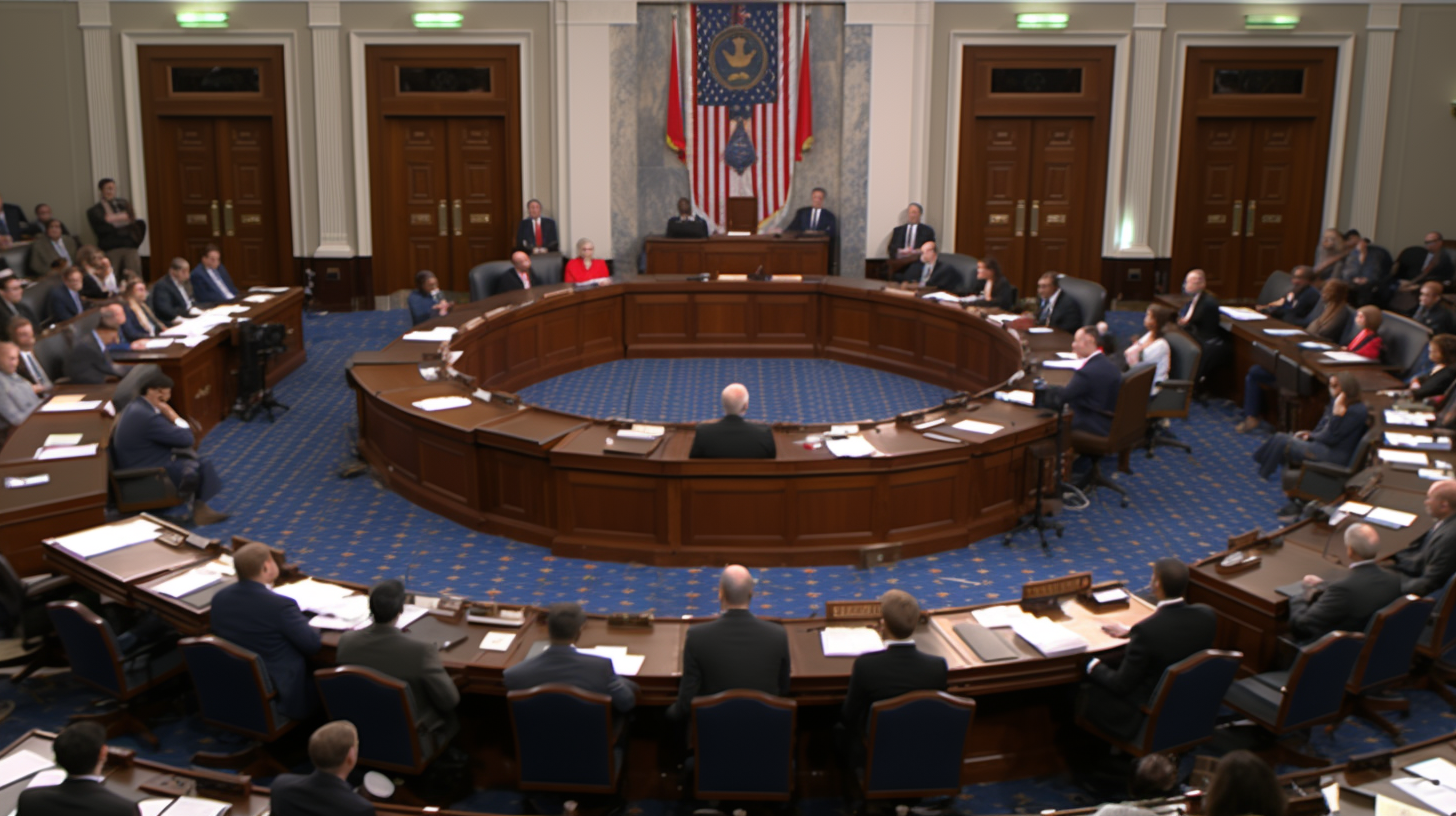
In a significant development, the U.S. Senate has voted to block the implementation of the Consumer Financial Protection Bureau's (CFPB) small business lending rule. This decision has sparked a heated debate over the impact it may have on small businesses across the country. President Biden, in response, has threatened to veto the Senate's decision, emphasizing his commitment to fair lending practices and supporting small businesses. The CFPB's rule, implemented in October 2020, requires lenders to collect and report data on small business lending. This includes information on the race, sex, and ethnicity of borrowers, with the aim of identifying and addressing potential disparities in access to credit for minority-owned and women-owned small businesses. The Senate's decision to block the CFPB's rule has been celebrated by small business advocates and industry groups critical of the CFPB's regulatory approach. However, the implications of this decision remain uncertain, as President Biden's threatened veto looms large.
The world of real estate has recently been shaken by a wave of class-action commission lawsuits, sparking a contentious debate. These lawsuits demand scrutiny to understand their implications and validity. A primary counter-argument is the freedom of consumer choice. In today's digital age, potential buyers and sellers have access to a wealth of online resources, enabling them to undertake real estate transactions independently. Another critical factor is the negotiability of commissions in the real estate sector. Commission rates are not fixed, they are subject to negotiation between the agent and the client. This flexibility allows for open discussions, leading to mutually agreeable terms. Despite the emergence of discount brokerage firms, consumers continue to place their trust in traditional real estate agents. This preference stems not only from cost considerations but also from the value of expertise, guidance, and personalized service that agents offer. Real estate transactions are complex and often involve significant financial investments. Trusted agents provide invaluable insights, market knowledge, and negotiation skills, helping clients make informed decisions and navigate potential challenges confidently.
In the last two years, the housing market has seen a dramatic shift. Soaring mortgage rates and rising home prices have led to the fastest erosion in housing market affordability in modern history, with first-time homebuyers feeling the impact the most. The housing market has undergone significant changes over the past two years, leading to a substantial increase in the income required to purchase a median-priced home. According to recent data from Redfin, a homebuyer must now earn $114,627 to afford the typical U.S. home. This is a 15% increase from the previous year and more than 50% higher than pre-pandemic levels.
The housing market has shown remarkable resilience in the face of rising mortgage rates. Despite rates reaching 8%, new listings data remains steady, indicating a healthy supply of homes for sale. This stability is a positive sign for both buyers and sellers, demonstrating the strength of the housing market. Despite the increase in mortgage rates, sellers in the housing market have maintained their confidence. This confidence is reflected in the steady new listing data, as sellers continue to list their properties without hesitation. It indicates that sellers believe there is still strong demand from buyers and that the potential financial impact of higher mortgage rates does not outweigh the benefits of selling their homes.
The Real Estate Board of New York (REBNY) has introduced a groundbreaking requirement for sellers to directly compensate buyers' agents. This significant change has the potential to transform the real estate industry, eliminating conflicts of interest and promoting a more client-centric approach. This shift in the compensation landscape aims to create a more transparent and trustworthy environment for buyers. Moreover, this shift towards a client-centric approach aligns with the mission and values of Cameron Academy. As a leading provider of real estate education, Cameron Academy is committed to empowering professionals to navigate the evolving industry landscape and prioritize the best interests of their clients.