Top 2026 Commercial Real Estate Issues Every Professional Should Watch
Economic uncertainty. AI acceleration. Slower population growth. Rising portfolio risk. These forces are shaping the commercial real estate landscape heading into 2026, according to new insights presented at NAR NXT by The Counselors of Real Estate. For professionals navigating real estate, finance, mortgages, appraisal, or investment, this year rewards those who stay informed — and challenges those who don’t.
As always, Cameron Academy is committed to helping professionals stay ahead. Whether you’re elevating your Florida real estate career or expanding into other licensed professions nationwide, staying aware of industry shifts is just as important as earning the license itself.
Source Spotlight: This article summarizes insights from Florida Realtors and the National Association of Realtors. For deeper coverage and commentary, visit the original post.
Even with a $37 trillion national debt and ongoing global disruptions, the U.S. economy continues holding strong. Yet uneven benefits across real estate sectors leave office (especially B and C classes) and for-sale housing vulnerable.
Takeaway: Real estate continues serving as a stabilizing force unless major policy shifts occur.
2. Portfolio Risk
Modern risk management now factors in climate exposure, insurance spikes, regulatory shifts, financing vulnerability, and more. Traditional models aren’t enough.
Takeaway: Data-driven risk analysis is becoming its own specialized discipline.
3. Back to the Fundamentals
The days of riding compressed cap rates are gone. Operational excellence, tenant relationships, and strategic asset management matter more than ever.
Takeaway: Strong fundamentals — demand drivers, operations, location, and tenant satisfaction — will define winners.
4. Capital Sources & Flows
Foreign investment is cooling. Transactions are slowing. Capital is harder to secure — and harder to return. Investors are exploring competing sectors like energy and digital infrastructure.
Takeaway: Clear strategies around liquidity and long-term value are now essential.
5. Technology Transformation
AI is reshaping CRE: underwriting, property operations, predictive modeling, and cybersecurity all rely on it. Meanwhile, fragmented building systems create barriers to unified data access.
Takeaway: Owners must gain control of their building data streams — or risk falling behind.
6. A New Era of Decision-Making
AI supercharges Bayesian-style decision-making, allowing professionals to adjust strategies continuously as new information emerges.
Takeaway: Strategic data mastery is replacing the old “location, location, location” rule.
7. Global Chess: Confidence & Uncertainty
Geopolitical friction, interest rate unpredictability, and global trade tensions complicate forecasting. Even smart investment decisions require heightened caution.
Takeaway: Expert judgment becomes a premium asset in a high-uncertainty environment.
8. Housing Attainability
From first-time buyers to seniors, housing supply remains far behind demand. States like Rhode Island need tens of thousands of new units to catch up.
Takeaway: Solving the housing challenge requires unified public and private strategy.
9. Pricing Risk
Nearly $1 trillion in commercial loans mature in 2025, with peaks continuing through 2027. Refinancing will be tough, but long-term investors may find emerging opportunities.
Takeaway: Pricing gaps will likely close by 2028, slowly reviving activity.
10. The Flow of People
Population and household formation are slowing. Millennials are leveling out, Gen Z is not yet fully engaged in the housing market, and immigration declines add pressure.
Takeaway: Developers must rethink density, workforce hubs, and urban vibrancy.
Ready to deepen your real estate expertise? Cameron Academy offers modern, flexible, fully online licensing programs — from Florida real estate to mortgage, insurance, and numerous professional pathways nationwide.
Getting licensed or staying ahead in your career can be a journey—but it doesn’t have to be overwhelming. Grab your favorite coffee or tea, take a moment to relax, and browse through our articles. Whether you’re just starting out or renewing your expertise, we’ve got tips, insights, and advice to keep you moving forward. Here’s to your success—one sip and one step at a time!
Fintech has evolved from simple digital banking tools into a global force transforming how we pay, borrow, invest, and manage financial data. With AI, blockchain, and open banking leading the way, fintech is opening new opportunities for consumers, businesses, and professionals across real estate, mortgage, insurance, and finance.
After months of hesitation, the commercial real estate market showed a major resurgence in Q3 2025. Large single‑asset transactions over $10 million jumped to $76 billion — the strongest level since 2022 — signaling renewed liquidity and growing confidence among institutional buyers. While overall volumes remain below peak highs, rising deal counts, stabilizing prices, and increased activity across industrial, multifamily, office, and retail sectors point toward a market steadily moving back toward normalization.
California’s property insurance market didn’t collapse overnight—it unraveled over years of political delays, soaring wildfire losses, and mounting pressure on insurers and reinsurers. As major carriers pulled out and rate approvals stalled, millions of homeowners were left scrambling for coverage under an overwhelmed FAIR Plan. At the center of the controversy stands Insurance Commissioner Ricardo Lara, whose decisions, industry ties, and behind‑the‑scenes negotiations have drawn sharp criticism. The result is a destabilized market affecting homeowners, real estate professionals, lenders, and entire communities—and the question of whether current reforms can truly fix what’s broken.
After a slow start to the year, commercial real estate showed a major resurgence in Q3 2025 as large single‑asset deals over $10 million surged past $76 billion in volume. With 1,826 major trades and the strongest growth rate in more than a decade, investor confidence appears to be returning across U.S. markets. While overall volumes still trail the record highs of 2021–2022, the renewed momentum in big‑ticket transactions points to improving liquidity, clearer pricing, and a potentially pivotal turning point for brokers, investors, and industry professionals.
California’s property insurance market has unraveled into one of the most expensive and consequential crises in U.S. history. Major carriers pulled back, wildfire risks soared, regulators stalled, and the state’s FAIR Plan exploded in size — leaving hundreds of thousands of homeowners without affordable coverage. Now, with victims underinsured, premiums surging, and a billion‑dollar bailout looming, the fallout is spilling beyond California. For real estate, mortgage, finance, and insurance professionals across the country, this is a warning of what happens when rising climate risks collide with outdated regulatory systems.
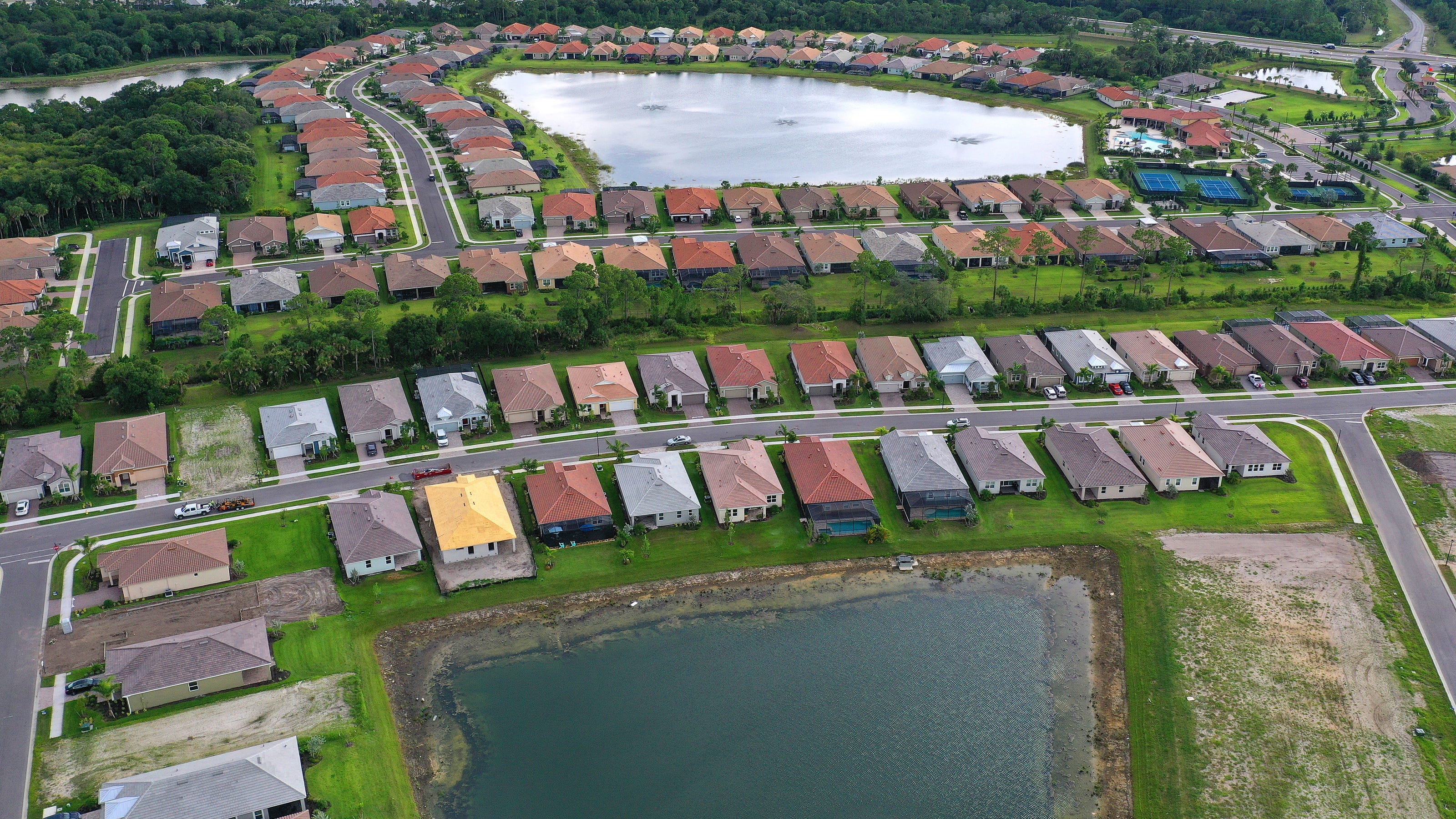
Sarasota County is on the brink of one of its largest modern expansions as the Winchester Ranch project moves closer to approval. Spanning more than 3,100 acres near North Port, the planned mega-development could bring up to 8,999 homes plus major commercial and industrial space. With construction projected to begin in 2027–2028, the community has sparked both excitement over new housing opportunities and concerns about environmental impact, placing it at the center of Florida’s ongoing growth debate.