Top 2026 Commercial Real Estate Issues: What Professionals Should Watch Next Year
The commercial real estate landscape is gearing up for a transformative 2026, shaped by economic uncertainty, technological leaps, shifting demographics, and evolving portfolio risks. Fresh insights from The Counselors of Real Estate, unveiled at NAR NXT by global chair John Hentschel, outline the Top 10 Issues expected to shape next year’s market. For professionals across real estate, mortgage, insurance, and finance, these insights are essential to staying ahead of the curve.
1. Fiscal & Monetary Policy
Despite a staggering $37 trillion national debt and global uncertainties, the U.S. economy remains surprisingly resilient. Job growth, consumer spending, and stock performance continue showing strength. However, commercial real estate performance is uneven, especially in for-sale housing and lower-tier office markets.
Takeaway: Real estate remains a stabilizing economic force—unless major policy shifts interrupt momentum.
2. Portfolio Risk
Risk management is evolving fast. Investors now weigh financing volatility, climate threats, regulatory shifts, valuation instability, and more. Advanced tools—predictive analytics, drones, climate‑risk modeling—are becoming mainstream.
Takeaway: Risk and resiliency expertise may soon become a specialized commercial real estate discipline.
3. Real Estate Returns to Fundamentals
Cap rate compression is no longer a reliable growth engine. Operators must refine management, optimize efficiency, and focus more on choosing the right asset than the right sector.
Takeaway: Operational excellence, tenant satisfaction, and sustainable demand are now the cornerstones of success.
4. Capital Sources & Flows
With reduced transaction volume and cautious global investing, raising capital grows more challenging. Competition from infrastructure—especially energy and digital utilities—continues to rise.
Takeaway: Long‑term viability and clear liquidity strategies are essential to attract investors.
5. Technology Transformation
AI is reshaping underwriting, operations, and asset management. Demand for data centers is exploding, yet structured access to building data remains a barrier for many owners.
Takeaway: Those who embrace AI‑powered data ecosystems will lead the next chapter of commercial real estate.
6. The Future of Decision-Making
AI is pushing the industry toward Bayesian decision‑making—strategies that continually update predictions based on real‑time data. This signals a shift away from the old “location, location, location” rule toward a more dynamic, evidence‑driven philosophy.
Takeaway: Success now requires disciplined analysis and the agility to adapt to new intelligence.
7. Global Uncertainty
Geopolitical tensions, tariffs, and fluctuating interest rates are creating an environment where uncertainty is the only constant. Investment momentum has slowed across many sectors.
Takeaway: Skilled navigation is essential—expert insight will hold more value than ever.
8. Housing Attainability
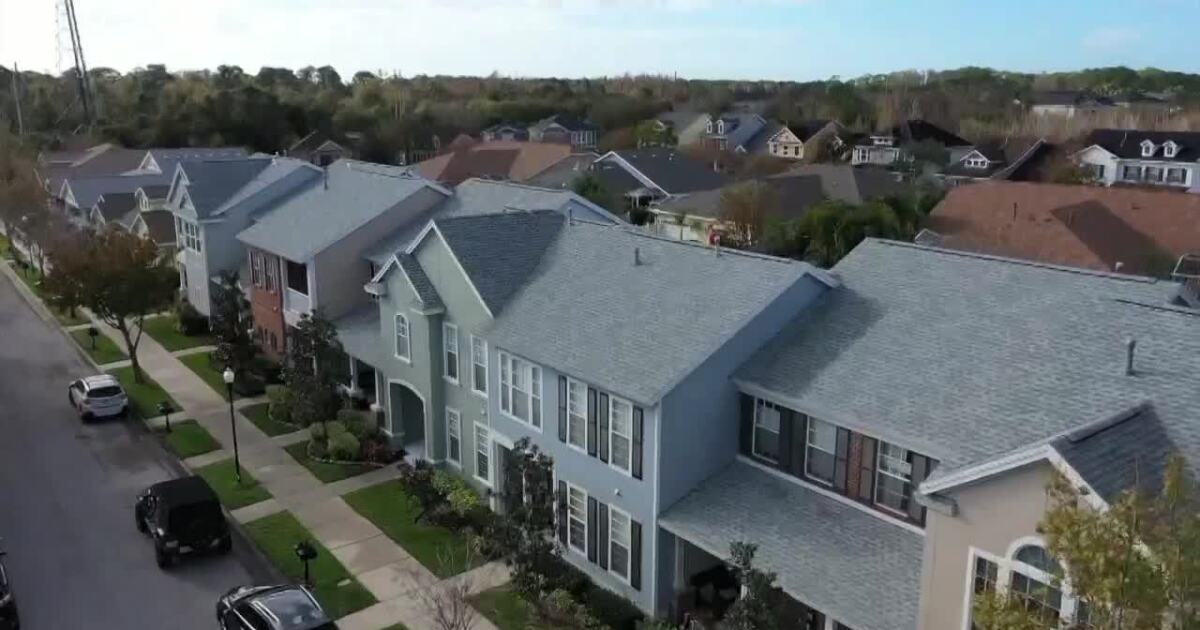
Inventory shortages and rising costs continue to push homeownership out of reach for many Americans. For instance, Rhode Island needs 40,000 new units yet hasn’t exceeded 3,000 annual units in decades.
Takeaway: Zoning reform, public‑private partnerships, and innovative development must work together to ease the crisis.
9. Pricing Risk
Nearly $1 trillion in loans maturing in 2025—and high maturities through 2027—signal increasing refinancing challenges. Banks are extending loans, while private debt markets grow riskier due to opaque underwriting.
Takeaway: Distressed opportunities are emerging slowly. Expect muted activity through 2027 with possible improvement starting in 2028.
10. Slowing Population Growth
Migration, household formation, and immigration rates are all slowing. Millennials are stabilizing, while Gen Z has yet to fully enter the market. Early 2025 saw only 1.26 million new households—far below previous years.
Takeaway: Developers should prioritize dense, worker‑centric locations. Traditional suburban expansion remains riskier than pre‑2020 patterns.
This report provides a valuable roadmap for professionals preparing for 2026 and beyond. And for those aiming to sharpen their expertise or begin a new chapter, Cameron Academy continues to be one of the most trusted resources for real estate, mortgage, insurance, and professional licensing education across all 50 states.
For the full source article, visit Florida Realtors:
Top 2026 Commercial Real Estate Issues to Watch