In a comprehensive exploration of California’s top online real estate schools, HousingWire has curated a list of the five best institutions poised to help aspiring real estate professionals achieve their licensing goals in 2025. The article, published seven months ago, serves as a beacon for those eager to embark on a real estate career in the Golden State, highlighting schools that cater to a variety of learning styles and budgets.

California mandates 135 hours of prelicensing coursework before candidates can sit for the real estate licensing exam. HousingWire’s guide meticulously details the offerings of each institution, ensuring prospective students can make informed decisions.

The CE Shop emerges as a top pick, celebrated for its robust course features and user-friendly dashboard. With tools like the Exam Prep Edge, students are well-prepared to tackle the licensing exam. For those interested in a detailed look, HousingWire provides a direct link to explore The CE Shop’s offerings.

Meanwhile, Colibri Real Estate stands out for its goal-tracking capabilities and accountability measures, offering a dashboard that keeps students on track. More information can be found through HousingWire’s link to Colibri Real Estate.

For learners who prefer mobile and audio options, AceableAgent provides courses that fit seamlessly into busy lifestyles, making it an ideal choice for on-the-go education. Discover more about their courses by visiting AceableAgent.

Budget-conscious students might find OnlineEd appealing, as it offers competitive pricing and a price-match guarantee. Those interested can explore further details at OnlineEd.

Finally, Kaplan Real Estate Education is highlighted for its exceptional exam preparation resources, including practice tests that mirror the state exam. Kaplan’s comprehensive offerings can be viewed at Kaplan Real Estate Education.

HousingWire’s article is not just a list; it is a detailed analysis of what makes each school unique, ensuring that every aspiring real estate professional can find the right fit for their educational journey. For those ready to take the plunge into real estate, this guide is an invaluable resource, providing both direction and inspiration.

Related readings that complement this guide include insights on obtaining a California real estate license, reviews of The CE Shop, and tips for quick license renewal. These resources are available through HousingWire’s extensive library of articles, offering further support and information for those navigating the real estate education landscape.


More Articles

Getting licensed or staying ahead in your career can be a journey—but it doesn’t have to be overwhelming. Grab your favorite coffee or tea, take a moment to relax, and browse through our articles. Whether you’re just starting out or renewing your expertise, we’ve got tips, insights, and advice to keep you moving forward. Here’s to your success—one sip and one step at a time!

Florida Homeowners Finally Get Relief as Gov. DeSantis Announces Significant Insurance Premium Cuts

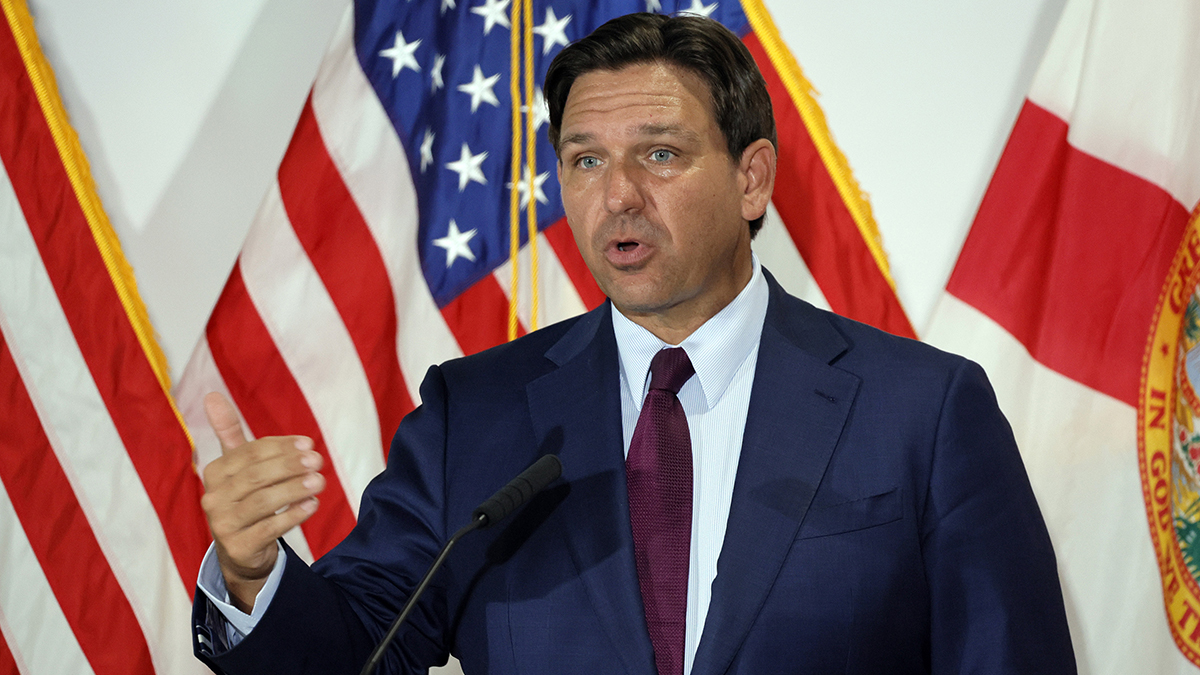
Florida homeowners — especially in hard‑hit South Florida — are set to see rare and substantial reductions in their property insurance premiums. Gov. Ron DeSantis announced an average statewide Citizens Insurance decrease of 8.7%, with even larger savings of up to 14% in counties like Miami-Dade, Broward, and Palm Beach. State officials credit recent legal and regulatory reforms for stabilizing the market, attracting new insurers, and delivering the first meaningful rate relief Floridians have seen in years.

Tampa’s Real Estate Market Enters a Smarter, More Selective Growth Phase

Tampa’s commercial real estate market isn’t slowing—it’s maturing. With strong population growth, rising office demand, a normalized industrial sector, resurgent retail, and an emerging health‑care real estate boom, investors are shifting from speed to strategy. Tighter underwriting, cautious capital and increased due‑diligence are shaping a more disciplined market, creating new opportunities for informed professionals.

Florida Slashes Home Insurance Rates: Biggest Drop in a Decade Sends Shockwaves Through the Market

Florida homeowners are finally seeing relief as Citizens Property Insurance announces a major 8.7% average rate decrease—far larger than originally proposed. Driven by legislative reforms, fewer lawsuits, and a calm hurricane season, the state’s once‑unstable insurance market is showing real signs of recovery. But with reduced coverage limits and shifting legal protections, experts warn that lower premiums may come with hidden trade‑offs.

Florida Homeowners Finally Get Insurance Relief After Years of Soaring Premiums

After a decade of rising premiums and retreating carriers, Florida homeowners are finally seeing long‑awaited relief. Dozens of insurers have filed for rate decreases—some as high as 11%—thanks to legislative reforms and a stabilizing market. Early approvals are already hitting counties across the state, and experts say the momentum could boost buyer confidence, affordability, and competition throughout Florida’s real estate and insurance sectors.

Self‑Storage Investing in 2026: A Market Thaw Opens the Door to Big Opportunities

After years of slowed activity caused by rising interest rates, the self‑storage industry is heating up again. New data from Marcus & Millichap shows a fresh market cycle emerging, driven by renewed buyer confidence, recalibrated pricing, and stronger lender participation. Acquisitions are rebounding, development is resetting in a healthier direction, and financing conditions are improving—creating one of the most promising investment landscapes the sector has seen in years.

Brookline’s Real Flood Risk: What FEMA’s New Maps Reveal—and What They Miss

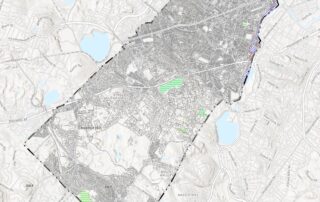
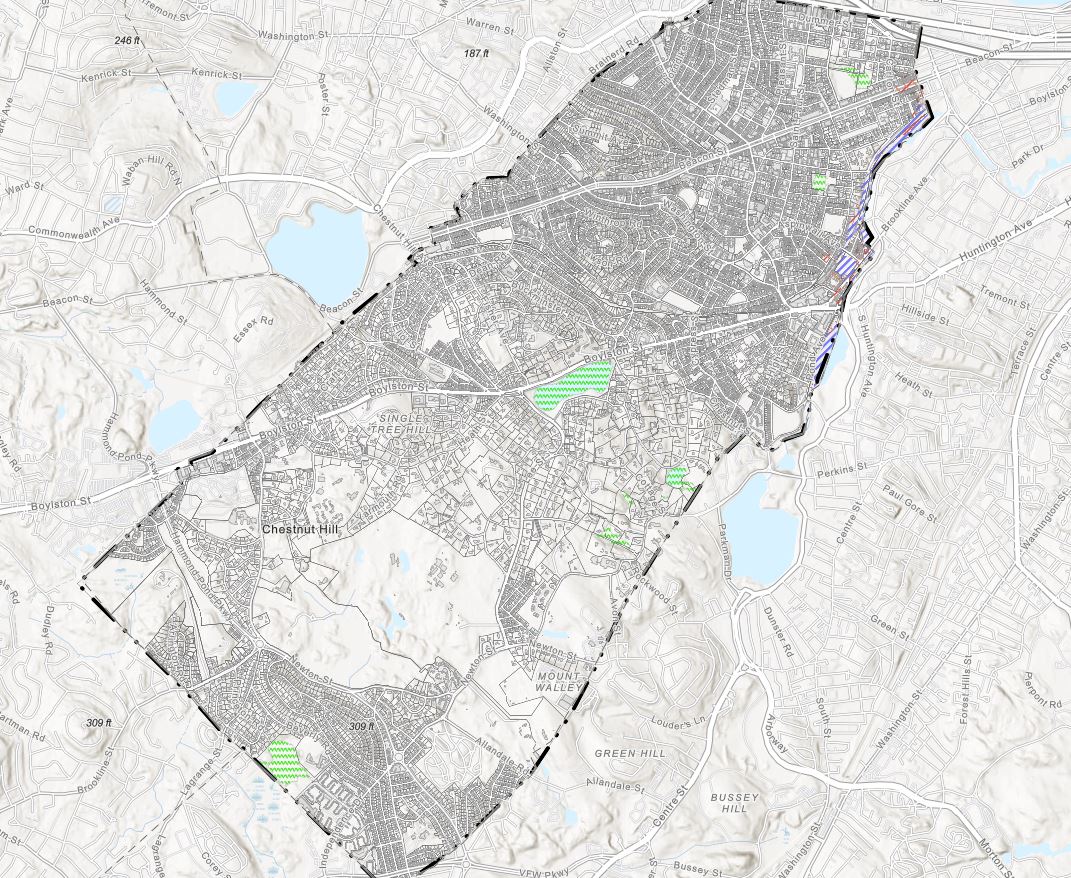
Brookline’s newly updated FEMA flood maps identify 97 high‑risk parcels, but local experts warn the true threat is far greater. While FEMA highlights river‑based flooding around Leverett Pond and the Muddy River, alternative models show more than 1,300 Brookline properties at risk within 30 years. Hidden vulnerabilities along major corridors like Beacon Street, rising rainfall intensity, aging infrastructure, and climate‑driven storm patterns suggest that many “low‑risk” areas may be anything but safe.