Top 5 Things to Know Before Purchasing a Florida Pre-License Real Estate Course

Choosing the right Florida real estate pre-license course is crucial to passing the licensing exam and starting your career successfully. Not all courses offer the same value—considering accreditation, format, pass rates, study materials, and costs is essential. Here’s everything you need to know before enrolling.

1. State Accreditation & Compliance

Florida Real Estate Commission (FREC) Approval

The Florida Real Estate Commission (FREC), part of the Department of Business & Professional Regulation (DBPR), mandates that aspiring real estate professionals complete a 63-hour pre-license course from an approved provider.

Why Accreditation Matters

  • Only FREC-approved courses count toward state licensing requirements.
  • Non-approved courses are a waste of time and money—you won’t be eligible for the state exam.
  • Approved courses follow FREC’s official syllabus, ensuring the best preparation.

How to Verify Accreditation

Before enrolling, verify that your course provider is on Florida’s DBPR-approved list. If a provider does not clearly state its FREC approval, consider it a red flag.

2. Course Format & Flexibility

Choosing the Right Learning Format

  • Online (Self-Paced): Learn at your own pace, ideal for busy schedules.
  • Live Online (Instructor-Led): Attend virtual classes with real-time guidance.
  • In-Person: Classroom setting with structured learning and networking.
  • Hybrid (Mixed Learning): Combination of self-study and live instruction.

Comparing Top Providers

Provider Formats Offered Live Instructor Access
Cameron Academy Self-Paced, Live Online, In-Person Yes
The CE Shop Self-Paced No
Colibri Real Estate Self-Paced, Live Stream Yes (Premium Plans)
Kaplan Self-Paced, Live Online Yes

3. Pass Rates & Reputation

Florida Real Estate Exam Pass Rates

The Florida real estate exam has an average 50-60% first-time pass rate. Choosing a course with a strong track record increases your chances of success.

How Major Providers Compare

  • The CE Shop: Reports a 90%+ pass rate.
  • Colibri Real Estate: Offers a “Pass or Don’t Pay” guarantee.
  • Cameron Academy: Highly rated by students with strong instructor-led training.

4. Included Study Materials & Support

Essential Features to Look For

  • Practice Exams & Simulators: Full-length tests for exam readiness.
  • Instructor Support: Access to Q&A, live coaching, and tutoring.
  • Study Guides & Summaries: Condensed notes for last-minute review.

Course Comparison

Provider Practice Exams Live Q&A Study Guides
Cameron Academy Yes Yes Yes
The CE Shop Yes (Premium) No Yes
Colibri Real Estate Yes Yes (Premium) Yes
Kaplan Yes Yes Yes

5. Pricing, Refunds & Additional Costs

Pricing Tiers

  • Budget Options: $70 – $150 (Minimal features, text-based courses).
  • Mid-Range: $200 – $400 (Includes exam prep, video lessons).
  • Premium: $400 – $800 (Live instruction, career support).

Refund & Pass Guarantees

  • The CE Shop: 30-day refund policy.
  • Colibri Real Estate: “Pass or Don’t Pay” guarantee.
  • Cameron Academy: Student-friendly policies with high ratings.

Final Thoughts

Choosing the right Florida pre-license real estate course is essential for success. Whether you prefer a flexible online program or structured in-person training, ensure the course is FREC-approved, offers high-quality study materials, and has a proven track record. Cameron Academy, The CE Shop, and Colibri Real Estate all offer excellent options based on your learning style and budget.

More Articles

Getting licensed or staying ahead in your career can be a journey—but it doesn’t have to be overwhelming. Grab your favorite coffee or tea, take a moment to relax, and browse through our articles. Whether you’re just starting out or renewing your expertise, we’ve got tips, insights, and advice to keep you moving forward. Here’s to your success—one sip and one step at a time!

Unlocking Real Estate Wealth in 2025: Strategies for Success

Step into 2025, where the real estate market emerges as a resilient beacon amidst economic unpredictability. Investors are increasingly drawn to secondary cities like Austin and Manchester, attracted by their growth potential, affordability, and enhanced quality of life.

By |February 18, 2025|Categories: Article, Investment Strategies, Real Estate|Tags: , |0 Comments

AI and Urbanization Drive Home Services Market Growth

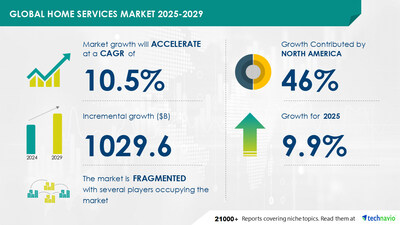
The global home services market is poised for significant growth, with projections indicating an increase of USD 1.03 trillion from 2025 to 2029. This forecasted expansion is attributed to increasing urbanization and the transformative impact of AI on market trends, according to a recent report by Technavio.

Decoding the U.S. Housing Crisis: A Study of Historic Policy Missteps and Demographic Shift

In a revealing study by USC, the roots of the current housing crisis in the United States are traced back to policy missteps and demographic changes that have been unfolding since the early 2000s. The study highlights how these factors have left millennials and people of color disproportionately affected.

Best Real Estate Crowdfunding Platforms for February 2025: Investopedia’s Top Picks

Fundrise stands out for offering investors a chance to diversify their portfolios with real estate exposure through proprietary funds. With a minimum investment as low as $10, it opens doors to beginners and seasoned investors alike.

Top Real Estate Investment Apps of 2025: A Guide for First-Time and Experienced Investors

Business Insider has reviewed a range of platforms available in 2025, focusing on key factors like fees, accessibility for accredited vs. non-accredited investors, and the types of real estate investments offered.