As we step into 2024, the construction industry is navigating a complex landscape marked by both challenges and opportunities. Labor shortages and supply chain disruptions continue to pose significant hurdles. Yet, there are bright spots on the horizon, with environmentally responsible projects and AI-driven innovations leading the charge.
1. A Shortage of Workers for Construction Companies
The construction industry is grappling with a persistent labor shortage, driven by a low unemployment rate since 2023. This scarcity of skilled workers, particularly among the aging workforce, is impacting growth and recruitment efforts.
Extended lead times for supply deliveries remain a challenge. However, initiatives like the FLOW Initiative are being implemented to enhance efficiency in American supply chains.
3. The Popularity of Outdoor Spaces
The demand for outdoor spaces has surged post-pandemic, influencing both commercial and residential construction. This trend is expected to persist, catering to the growing desire for safe and stylish gathering areas.
4. The Influence of AI and New Construction Technology
Construction companies are increasingly leveraging AI and robotics to enhance site operations and project efficiency. From building information modeling (BIM) programs to autonomous equipment, technology is revolutionizing the industry.
5. More Sustainable Construction Practices
Sustainability is at the forefront, with companies adopting green building materials and solar energy. The push for sustainable practices addresses environmental impacts, making green construction more prevalent in 2024.
6. Prefabrication and Modular Construction
Interest in modular construction methods is rising, streamlining processes and reducing costs. These innovative solutions are seen as key to addressing housing shortages while minimizing emissions.
7. A Push for Innovative Materials
Innovative materials like self-healing concrete and 3D printing are transforming the industry. These advancements not only promote sustainability but also enhance efficiency, allowing companies to focus on other aspects of construction.
Other noteworthy trends include a rise in female-owned construction firms and increased female workforce participation, signaling a positive shift in industry demographics.
With these trends firmly established, industry observers are keenly awaiting which developments will carry into 2025. For more insights, visit the original article on Thomasnet.
More Articles
Getting licensed or staying ahead in your career can be a journey—but it doesn’t have to be overwhelming. Grab your favorite coffee or tea, take a moment to relax, and browse through our articles. Whether you’re just starting out or renewing your expertise, we’ve got tips, insights, and advice to keep you moving forward. Here’s to your success—one sip and one step at a time!
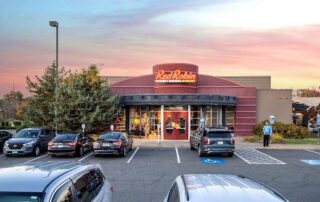
Newman Properties, a Massachusetts-based investment firm, has expanded its footprint into Connecticut with the $3.65 million acquisition of a 6,350‑square‑foot retail building in Enfield. Anchored by national restaurant chain Red Robin, the property offers the type of stable tenancy investors seek when entering new markets. The deal underscores growing confidence in anchored retail assets and provides a valuable real-world example for real estate professionals studying market analysis, investment strategy, and portfolio expansion.
JPMorgan now expects national home prices to flatten in 2026, but the Sunbelt is telling a very different story. Florida home values are down 5.1%, Texas is down 2.4%, and analysts warn that years of rapid building are finally catching up to the region. As demand stabilizes and inventory swells, real estate professionals — especially in Florida — face a market full of challenges, opportunities, and critical timing decisions.
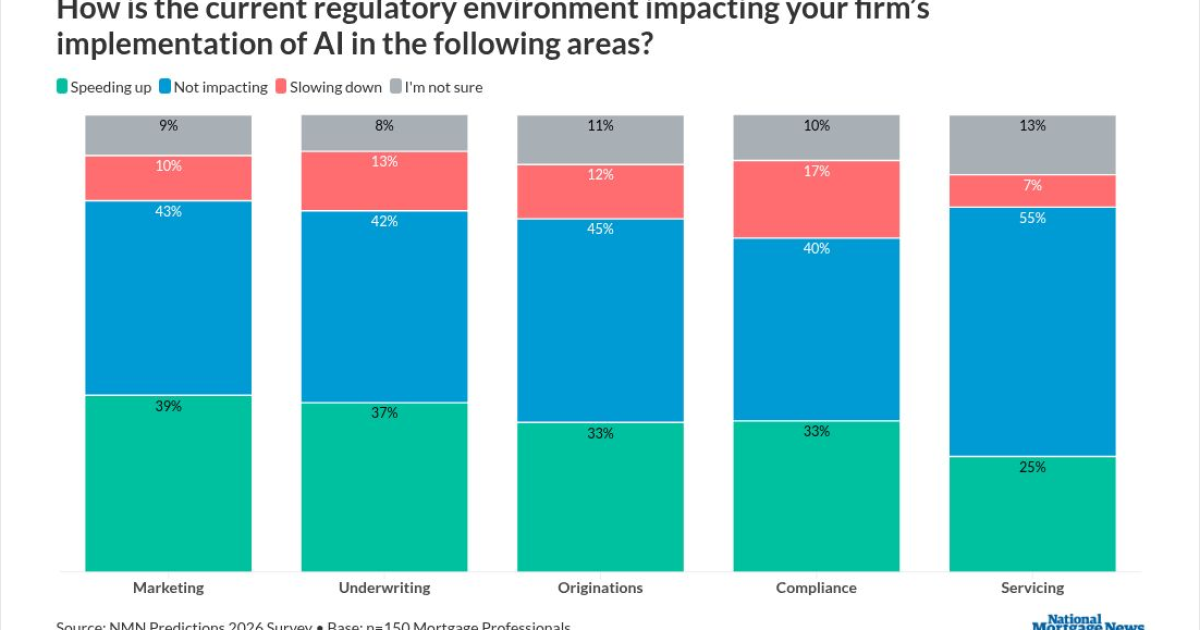
Artificial intelligence is finally stepping into the mortgage underwriting spotlight, with 57% of mortgage professionals predicting it will drive the most transformative industry shift in 2026. Thanks to major advancements in language models and workflow automation, AI is now capable of navigating the messy, document-heavy realities that have long slowed underwriting. From faster preapprovals to improved credit analysis and real‑time income verification, AI is streamlining processes while allowing underwriters to focus on true risk management. As regulatory winds shift and grassroots pressure builds within lending teams, the industry is entering a pivotal era where AI‑powered underwriting becomes not just an advantage — but an expectation.
Portland’s top 20 office towers have lost an unprecedented 70% of their value since 2019—plunging from $3 billion to under $1 billion—triggering tax revenue shortfalls, budget crises, and a surge in appeals as the city grapples with its biggest commercial real estate reset in modern history.
South Florida’s luxury real estate market just raised the bar again — this time with a $1 million virtual reality system that lets buyers walk through Dolce & Gabbana’s upcoming Miami tower long before construction wraps. Real estate master’s students were given an immersive look inside the project, discovering how VR is transforming high‑end development, influencing buyer psychology, and shaping the future skills today’s professionals need.
Long Island’s commercial real estate scene is kicking off 2026 with a surge of activity—industrial leases in Medford, neighborhood retail trades in Bohemia, Pizza Hut’s new DELCO expansion in Centereach, mixed‑use acquisitions in Melville, and major investor interest in bank‑leased and franchise-backed properties. From warehouses to restaurant rebrands, these deals highlight a region evolving fast and offering fresh opportunities for agents, investors, and professionals looking to stay ahead in the market.