As we step into 2024, the construction industry is navigating a complex landscape marked by both challenges and opportunities. Labor shortages and supply chain disruptions continue to pose significant hurdles. Yet, there are bright spots on the horizon, with environmentally responsible projects and AI-driven innovations leading the charge.
1. A Shortage of Workers for Construction Companies
The construction industry is grappling with a persistent labor shortage, driven by a low unemployment rate since 2023. This scarcity of skilled workers, particularly among the aging workforce, is impacting growth and recruitment efforts.
Extended lead times for supply deliveries remain a challenge. However, initiatives like the FLOW Initiative are being implemented to enhance efficiency in American supply chains.
3. The Popularity of Outdoor Spaces
The demand for outdoor spaces has surged post-pandemic, influencing both commercial and residential construction. This trend is expected to persist, catering to the growing desire for safe and stylish gathering areas.
4. The Influence of AI and New Construction Technology
Construction companies are increasingly leveraging AI and robotics to enhance site operations and project efficiency. From building information modeling (BIM) programs to autonomous equipment, technology is revolutionizing the industry.
5. More Sustainable Construction Practices
Sustainability is at the forefront, with companies adopting green building materials and solar energy. The push for sustainable practices addresses environmental impacts, making green construction more prevalent in 2024.
6. Prefabrication and Modular Construction
Interest in modular construction methods is rising, streamlining processes and reducing costs. These innovative solutions are seen as key to addressing housing shortages while minimizing emissions.
7. A Push for Innovative Materials
Innovative materials like self-healing concrete and 3D printing are transforming the industry. These advancements not only promote sustainability but also enhance efficiency, allowing companies to focus on other aspects of construction.
Other noteworthy trends include a rise in female-owned construction firms and increased female workforce participation, signaling a positive shift in industry demographics.
With these trends firmly established, industry observers are keenly awaiting which developments will carry into 2025. For more insights, visit the original article on Thomasnet.
More Articles
Getting licensed or staying ahead in your career can be a journey—but it doesn’t have to be overwhelming. Grab your favorite coffee or tea, take a moment to relax, and browse through our articles. Whether you’re just starting out or renewing your expertise, we’ve got tips, insights, and advice to keep you moving forward. Here’s to your success—one sip and one step at a time!
"The challenges faced by the PropTech industry are vast, ranging from data security and regulatory compliance to the implementation of sustainable practices. Yet, technologies such as Artificial Intelligence (AI), Virtual Reality (VR), Internet of Things (IoT), and Blockchain are pivotal in addressing these hurdles."
The commercial real estate sector is poised to emerge from recent tumultuous years, armed with insights and strategies to better position itself for the future. According to a detailed analysis by Deloitte, the 2025 outlook offers a roadmap for industry leaders to navigate the evolving landscape.
The IRS is ushering in a new era of tax reporting that will significantly affect freelancers, small business owners, and anyone who earns income through third-party payment apps like Venmo or PayPal. These changes are embodied in the form of adjusted thresholds for the Form 1099-K, a tax document used to report income from such platforms. Previously, this form was only required for those earning at least $20,000 annually through these services. However, new phased-in rules will reduce this threshold to $600 by 2026, starting with earnings over $5,000 in 2024.
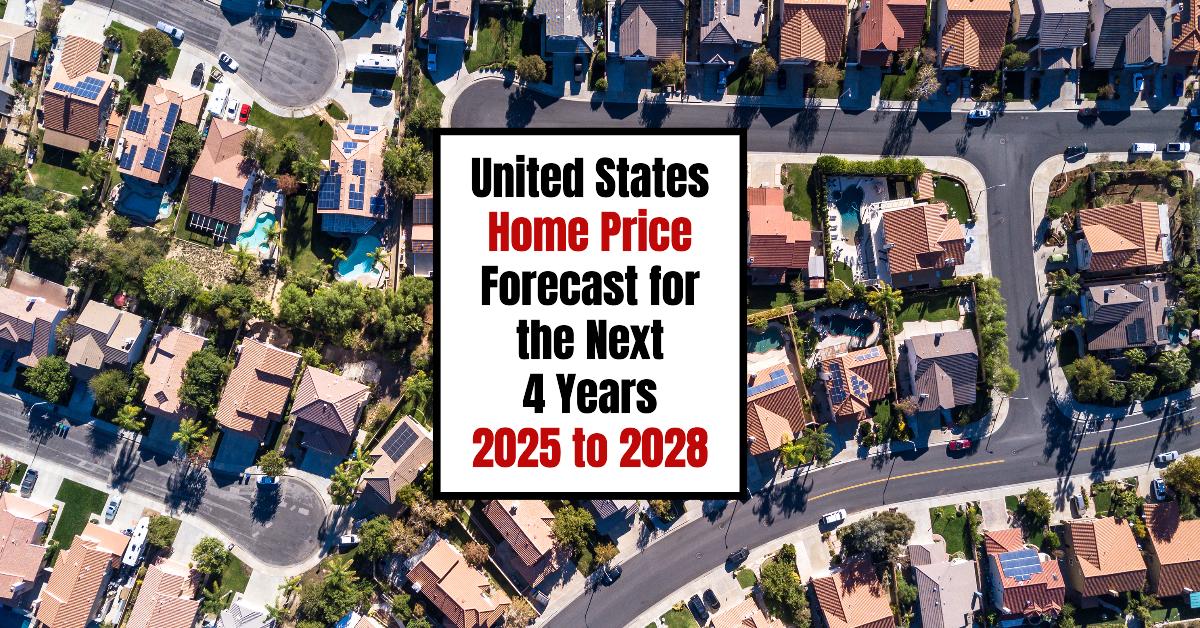
As we look to the horizon of the U.S. housing market, Fannie Mae's Home Price Expectations Survey offers a crucial glimpse into the coming years. Compiled from the insights of over 100 housing experts, this survey predicts notable changes in home prices from 2025 to 2028. The analysis, originally detailed by Norada Real Estate Investments, suggests a shift in market dynamics that could impact homeowners and investors alike.