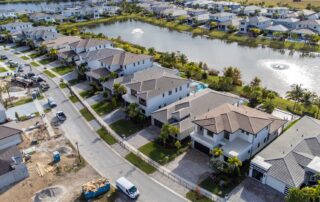
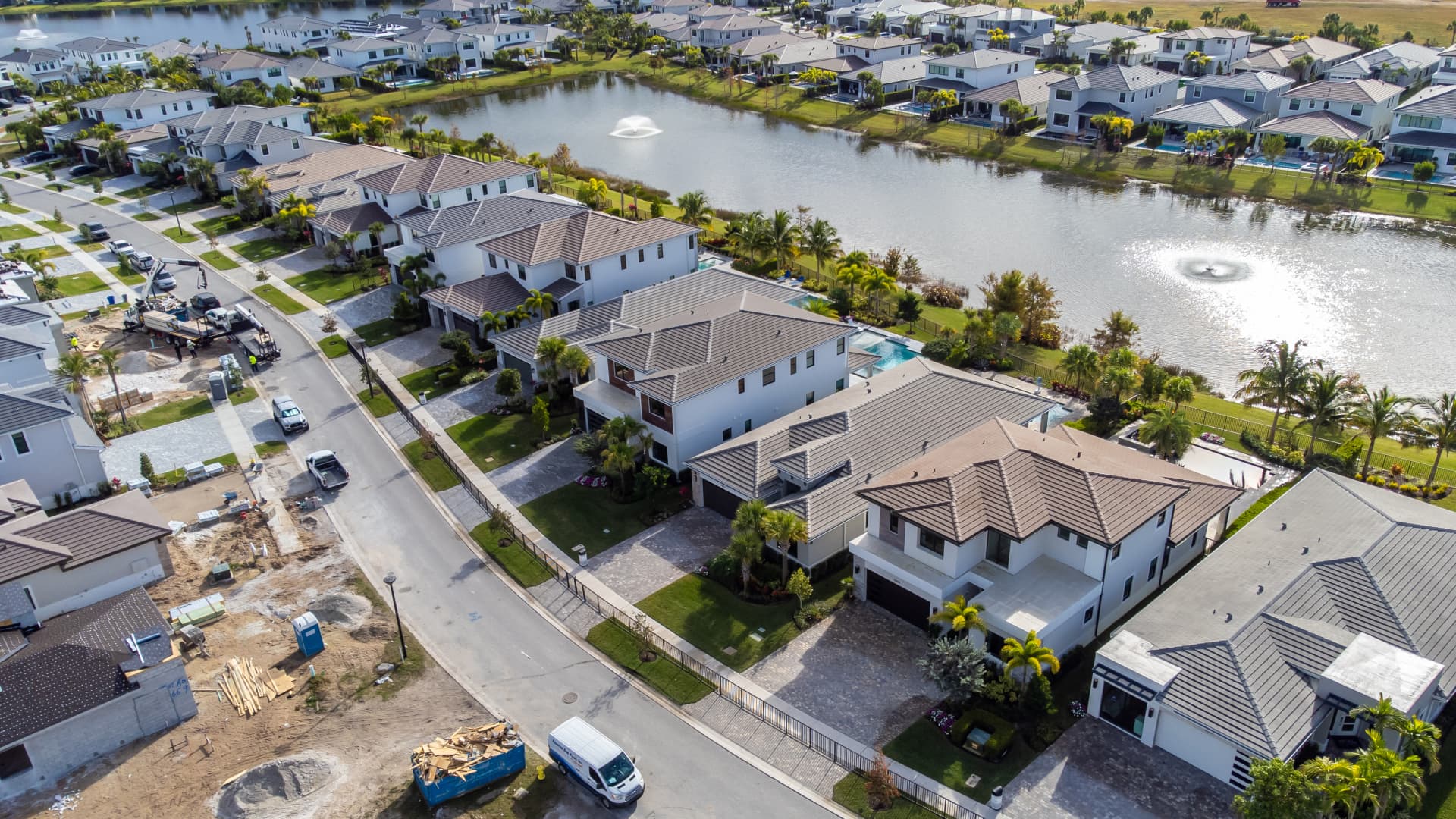
As we step into 2024, the construction industry is navigating a complex landscape marked by both challenges and opportunities. Labor shortages and supply chain disruptions continue to pose significant hurdles. Yet, there are bright spots on the horizon, with environmentally responsible projects and AI-driven innovations leading the charge.
1. A Shortage of Workers for Construction Companies
The construction industry is grappling with a persistent labor shortage, driven by a low unemployment rate since 2023. This scarcity of skilled workers, particularly among the aging workforce, is impacting growth and recruitment efforts.
Extended lead times for supply deliveries remain a challenge. However, initiatives like the FLOW Initiative are being implemented to enhance efficiency in American supply chains.
3. The Popularity of Outdoor Spaces
The demand for outdoor spaces has surged post-pandemic, influencing both commercial and residential construction. This trend is expected to persist, catering to the growing desire for safe and stylish gathering areas.
4. The Influence of AI and New Construction Technology
Construction companies are increasingly leveraging AI and robotics to enhance site operations and project efficiency. From building information modeling (BIM) programs to autonomous equipment, technology is revolutionizing the industry.
5. More Sustainable Construction Practices
Sustainability is at the forefront, with companies adopting green building materials and solar energy. The push for sustainable practices addresses environmental impacts, making green construction more prevalent in 2024.
6. Prefabrication and Modular Construction
Interest in modular construction methods is rising, streamlining processes and reducing costs. These innovative solutions are seen as key to addressing housing shortages while minimizing emissions.
7. A Push for Innovative Materials
Innovative materials like self-healing concrete and 3D printing are transforming the industry. These advancements not only promote sustainability but also enhance efficiency, allowing companies to focus on other aspects of construction.
Other noteworthy trends include a rise in female-owned construction firms and increased female workforce participation, signaling a positive shift in industry demographics.
With these trends firmly established, industry observers are keenly awaiting which developments will carry into 2025. For more insights, visit the original article on Thomasnet.
More Articles
Getting licensed or staying ahead in your career can be a journey—but it doesn’t have to be overwhelming. Grab your favorite coffee or tea, take a moment to relax, and browse through our articles. Whether you’re just starting out or renewing your expertise, we’ve got tips, insights, and advice to keep you moving forward. Here’s to your success—one sip and one step at a time!
Commercial real estate is entering its most transformative era yet. In 2026, success hinges on mastering predictive analytics, smart‑building automation, and sustainability tech—tools that now determine everything from ROI forecasting to tenant retention. As PropTech evolves into an interconnected ecosystem of AI, automation, and ESG‑driven systems, CRE professionals who embrace this shift will lead the next generation of market innovation, while those who rely on traditional instincts risk being left behind.
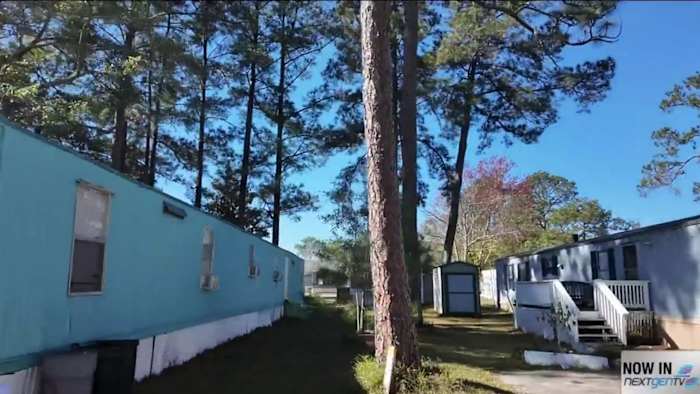
Florida lawmakers are pushing major reforms that could dramatically change life for more than 800,000 mobile home park residents. New bills would force park owners to justify rent increases, expand relocation assistance, strengthen tenant rights, and add penalties for reducing amenities without lowering rent. With many residents facing steep price jumps on fixed incomes, the proposed laws mark one of the state’s biggest moves toward accountability and transparency in decades — and real estate professionals will need to stay informed as the changes progress.
Refinance activity exploded for a second straight week as mortgage rates briefly dipped to their lowest levels since late 2024. Homeowners rushed to lock in savings, pushing refinance applications to nearly triple last year’s volume. But the momentum may be short‑lived. Early this week, rates spiked again as markets reacted to new tariff concerns and global uncertainty, erasing much of the recent progress. Both refinance and purchase demand remain strong, but volatility continues to challenge borrowers and professionals across the real estate and mortgage sectors.
The real estate industry has officially entered its AI era, with agents across the country adopting advanced tools that streamline workflow, boost productivity, and transform daily operations. According to a new HousingWire report, tasks that once took hours now take minutes, agents are seeing up to 40 percent productivity growth, and unified AI platforms are helping brokerages deliver faster, smarter, and more personalized marketing than ever before.
Hawai‘i enters 2026 with a mix of strength and vulnerability. Construction is booming with billions in federal and military projects, yet tourism—the backbone of the local economy—is slowing at a difficult moment. Real estate shows early signs of revival as mortgage rates fall, while health care, small business, and banking navigate shifting federal funding and economic uncertainty. For professionals across real estate, finance, construction, and other licensed industries, Hawai‘i offers a clear preview of the economic pressures and emerging opportunities taking shape nationwide.
Florida’s property insurance market is stabilizing after years of turmoil, but lawmakers say the job isn’t done. New proposals target profit‑sharing oversight, premium transparency, and a statewide claim‑free discount program—offering potential relief for homeowners and key insights for real estate and mortgage professionals navigating the shifting landscape.