Top Commercial Real Estate Issues to Watch in 2026

Florida realtors logo

Economic uncertainty, rapid technological innovation and shifting population patterns are setting the stage for a pivotal year in commercial real estate. The latest research from the Counselors of Real Estate, unveiled at NAR NXT by global chair John Hentschel, reveals ten major issues poised to shape strategy, investment and opportunity in 2026.

This analysis from Florida Realtors and NAR delivers clarity and caution for the industry. If you work in real estate, mortgage, finance or related fields, now is an ideal moment to sharpen your expertise. And if you’re ready to elevate your credentials, Cameron Academy continues supporting professionals across all 50 states with forward‑thinking training and licensing education.

Source Spotlight: Explore the full original report at Florida Realtors: View the full article here.

1. Fiscal & Monetary Policy

The U.S. economy remains surprisingly resilient despite high debt levels and global uncertainty. Employment, inflation and consumer activity show strength, but commercial property—especially for‑sale housing and B/C class offices—faces uneven performance.

Takeaway: Real estate is likely to remain a stabilizing force unless major policy changes shift the landscape.

2. Portfolio Risk

Risk evaluation now stretches far beyond building condition. Investors weigh financing structures, climate exposure, insurance volatility, regulation and even indoor environmental quality. AI, drones and climate modeling are sharpening due diligence.

Takeaway: Risk and resiliency are emerging as core skill sets in commercial real estate.

3. The Changing Nature of Real Estate

Cap rate compression no longer guarantees profit. Operators must return to fundamentals: efficient operations, prime location and sustained tenant satisfaction.

Takeaway: Operational excellence is now the heart of asset performance.

4. Capital Sources & Flows

Transaction slowdowns challenge fundraising efforts, and foreign investors remain cautious. Capital is flowing toward infrastructure—especially energy and digital—intensifying competition for CRE investment.

Takeaway: Investors will demand deeper justification for long‑term value and liquidity.

5. Technology Transformation & AI

AI is reshaping underwriting, improving building performance and driving data‑center growth. Yet fragmented systems make unified data access difficult.

Takeaway: Adaptation is mandatory—those resisting innovation will fall behind.

6. The Future of Real Estate: The Bayesian Shift

AI enables constantly updating, data‑rich decision-making—moving beyond static formulas into dynamic strategy.

Takeaway: Smart, iterative thinking will define the next era of real estate leadership.

7. Global Chess: Confidence & Uncertainty

Fluctuating rates, tariffs and geopolitics have increased hesitation. Even promising opportunities now require slower, more strategic analysis.

Takeaway: Expertise and education are becoming non‑negotiable assets.

8. Housing Attainability

Shortages and rising costs strain nearly every market. Many states need tens of thousands of new units—yet development pace lags behind demand.

Takeaway: True progress demands cooperation between public and private sectors.

9. Pricing Risk

With nearly $1 trillion in loans maturing between 2025–2027, pressure builds on both private and bank debt markets. Distressed assets remain slower to appear than expected.

Takeaway: The market may stabilize in 2028, when pricing gaps shrink and buyers re‑enter.

10. Flow of People

Population growth is cooling, household formation is slowing and immigration remains below normal levels. Developers can no longer rely on automatic demand.

Takeaway: Markets attracting younger workers will offer the strongest long‑term stability.

Professional Insight: For real estate agents, brokers and investors, these trends highlight why ongoing education matters more than ever. Cameron Academy provides licensing and advanced training across real estate, mortgage, insurance, finance and more—empowering professionals to stay ahead of the curve.

© 2025 National Association of Realtors®

More Articles

Getting licensed or staying ahead in your career can be a journey—but it doesn’t have to be overwhelming. Grab your favorite coffee or tea, take a moment to relax, and browse through our articles. Whether you’re just starting out or renewing your expertise, we’ve got tips, insights, and advice to keep you moving forward. Here’s to your success—one sip and one step at a time!

A New Blueprint for True Florida Affordability: Jayden D’Onofrio Pushes for Real Relief in 2026

Florida families are feeling the squeeze as everyday costs, insurance premiums, and homeownership barriers continue to climb. House District 102 candidate Jayden D’Onofrio is calling for a broader, more unified affordability strategy—one that tackles the state’s insurance crisis, supports first‑time homebuyers, and restores real competition in the market. His message centers on transparency, practical solutions, and keeping Florida livable for the professionals, workers, and families who power its economy.

Health Insurance Shake‑Up: America’s Coverage Markets Enter a New Era

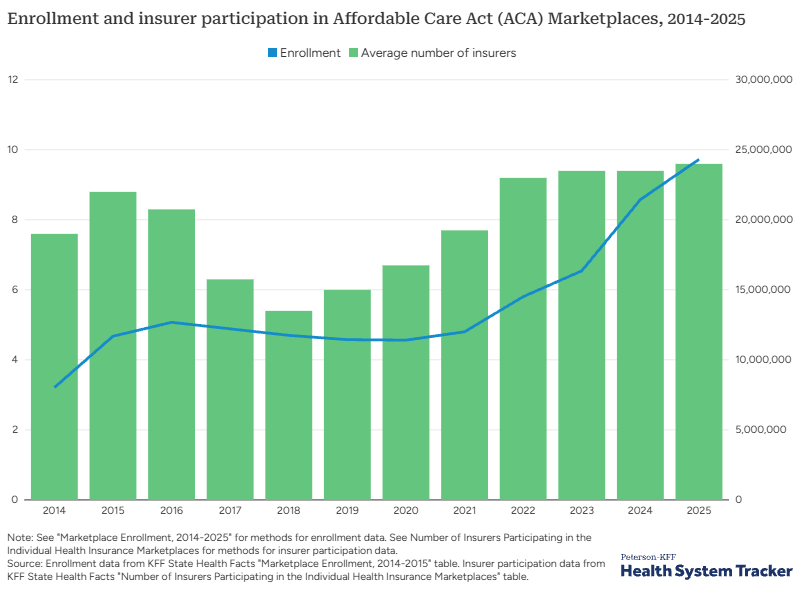
A decade of dramatic change is reshaping America’s health insurance markets. Employer group plans are becoming increasingly dominated by a few powerful insurers, while the ACA individual marketplace is experiencing record‑breaking competition and enrollment. Self‑funded plans are surging, small‑group premiums are driving employers to new coverage models, and major policy shifts in 2025 could redefine affordability for millions. This data‑driven Peterson‑KFF analysis breaks down the trends every insurance, finance, and business professional needs to understand as the industry enters a transformative new era.

Florida’s Next Mega‑Development: Winchester Ranch Set to Transform North Port

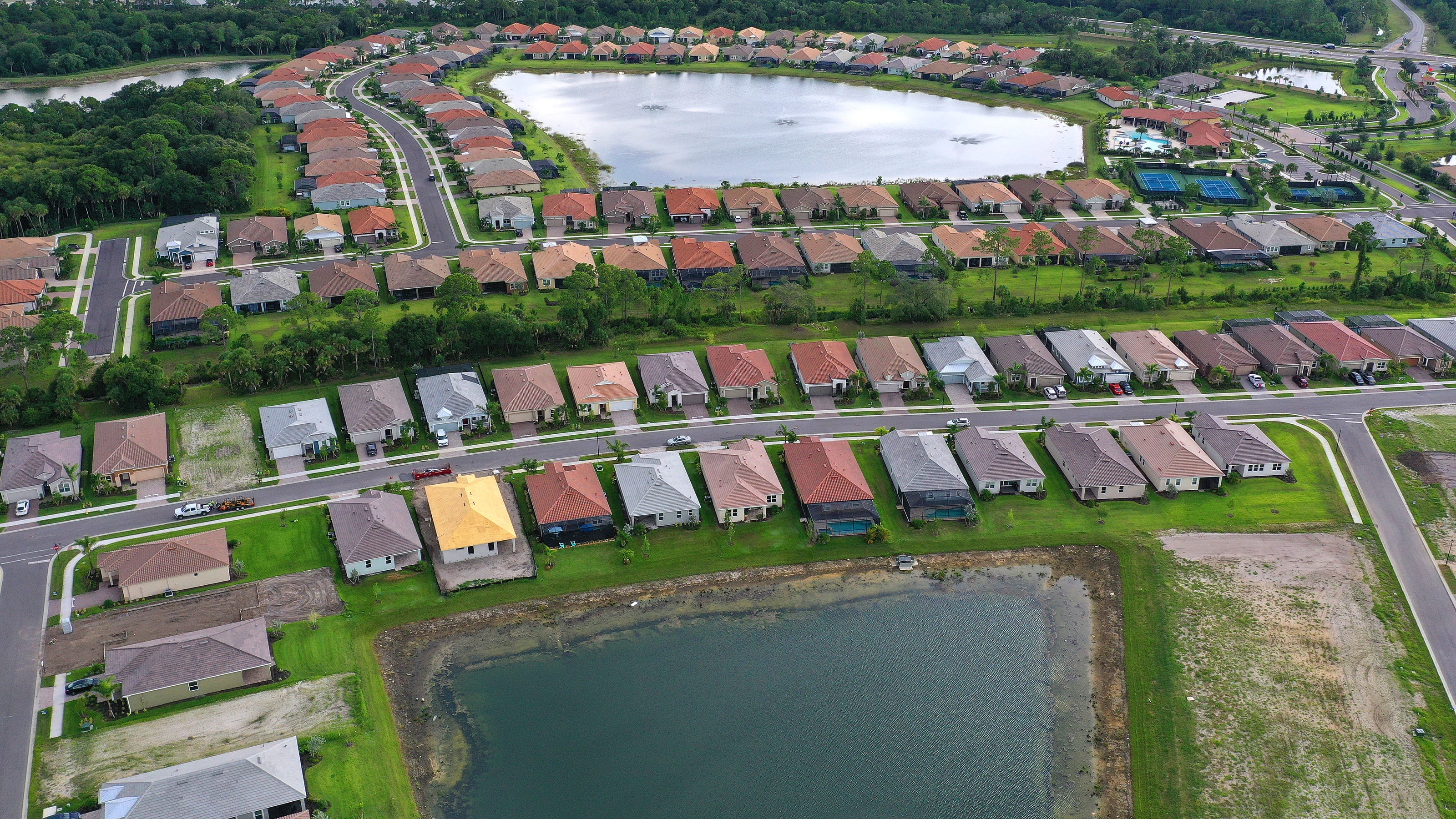
Sarasota County is inching closer to approving Winchester Ranch, a massive 8,999‑home community planned for more than 3,100 acres in North Port. With a 7‑1 vote from the Planning Commission and a final decision expected in early 2026, the project could become one of Southwest Florida’s largest developments in decades—bringing new housing, commercial space, and industry while raising fresh questions about growth, the environment, and the region’s rapidly evolving real estate market.

Lument Finance Trust Closes $664 Million CRE CLO, Signaling Strength in 2025 Markets

Lument Finance Trust has closed a major $663.8 million commercial real estate CLO, marking one of the standout CRE finance deals of 2025. The transaction, LMNT 2025-FL3, features a strong reinvestment period, non‑recourse and non‑mark‑to‑market financing, and a diversified pool of 32 loans tied to 49 properties nationwide. With J.P. Morgan leading the structuring and more than $585 million placed in investment‑grade securities, the deal highlights renewed stability in transitional CRE debt—making it a development real estate and finance professionals will want to watch closely.

Walmart Launches America’s Largest 3D‑Printed Commercial Building Initiative

Walmart has partnered with Alquist 3D to roll out the nation’s first large‑scale wave of 3D‑printed commercial buildings, signaling a major shift in how future retail and industrial spaces will be constructed. After completing an 8,000‑square‑foot 3D‑printed expansion in Tennessee—the largest of its kind—the company is moving forward with over a dozen new projects nationwide, accelerating a tech‑driven transformation in commercial real estate.

Citizens Insurance Proposes 2026 Rate Cuts, Signaling Relief for Florida’s Property Market

Citizens Property Insurance Corp. is recommending statewide rate reductions for 2026—the first proposed decrease in more than a decade. Most Citizens policyholders could see an average 11.5% drop, reflecting recent insurance‑market reforms that have stabilized Florida’s turbulent property sector. With hundreds of thousands of policies moving back to private insurers and state‑backed Citizens shrinking to record‑low enrollment, real estate and insurance professionals should prepare for how lower premiums may influence affordability, buyer confidence, and market activity heading into 2026.