“`html

As the demand for cybersecurity professionals continues to surge in response to escalating cyber threats, Fortune has highlighted the top cybersecurity bootcamps for 2025. These intensive programs are designed to equip students with the necessary skills to navigate the ever-evolving landscape of cyber threats, including ransomware and AI-powered attacks.

Cybersecurity bootcamps have gained popularity as they offer a fast-paced and hands-on learning environment, ideal for both beginners and career changers. These programs provide a pathway to industry-recognized certifications, such as CompTIA Security+, ensuring participants are well-prepared to enter the cybersecurity field.

The Best Cybersecurity Bootcamps of 2025

The comprehensive list includes programs from Nucamp, DigitalCrafts, Springboard, and Evolve Academy, among others. Each bootcamp offers unique features tailored to different learning styles and career goals.

1. Best Overall: Nucamp

Nucamp’s Cybersecurity Fundamentals Bootcamp spans 15 weeks and is structured into three main courses, culminating in certification exams. The program covers a broad spectrum of cybersecurity knowledge, from core concepts to defensive strategies.

2. Best for Live Support: DigitalCrafts

DigitalCrafts focuses on teaching fundamental skills and preparing students for industry certification. It offers virtual career fairs and flexible tuition payment options, making it accessible for those transitioning into cybersecurity.

3. Best for Brand Recognition: Springboard

Springboard’s Cybersecurity Career Track includes a robust curriculum with hands-on labs and a capstone project. It offers a job guarantee, ensuring graduates find employment or receive a full tuition refund.

4. Best for Holistic Learning: Evolve Academy

Evolve Academy’s bootcamp emphasizes practical, job-focused skills, incorporating hands-on labs and career coaching. It prepares students for the CompTIA Security+ certification and offers a job offer guarantee.

Is a Cybersecurity Bootcamp Worth It?

While free resources are available for learning cybersecurity, bootcamps offer structured learning and networking opportunities. Industry certifications obtained through bootcamps are vetted by IT professionals, ensuring relevance to the job market.

For those considering a career in cybersecurity, the choice of bootcamp should align with their learning style and career aspirations. As cyber threats continue to evolve, the need for skilled professionals remains critical.


“`

More Articles

Getting licensed or staying ahead in your career can be a journey—but it doesn’t have to be overwhelming. Grab your favorite coffee or tea, take a moment to relax, and browse through our articles. Whether you’re just starting out or renewing your expertise, we’ve got tips, insights, and advice to keep you moving forward. Here’s to your success—one sip and one step at a time!

How AI Is Transforming Financial Advisors’ Daily Routines in 2026

In 2026, financial advisors are no longer just experimenting with AI — they’re relying on it. Once confined to back-office duties, AI now supports meeting prep, portfolio analysis, and even early-stage financial planning. Advisors say the tech is strengthening client relationships by freeing them from administrative overload, though entry-level roles like paraplanners may feel the squeeze as automation accelerates.

AI Is Outpacing the Mortgage Industry’s Cyber Defenses as Attacks Surge

Cybercriminals are weaponizing AI to launch highly convincing email scams and system breaches across the mortgage industry, overwhelming lenders and servicers whose cybersecurity measures can’t keep up. With major companies already hit and regulation lagging behind, experts warn the sector—now considered critical infrastructure—must rapidly upgrade protections, collaborate on threat intelligence, and improve AI governance before the risks escalate further.

Hidden Housing Costs May Become 2026’s Most Dangerous Budget Buster

Escrow payments are quietly surging across the country as property taxes and insurance premiums spike—pushing many homeowners toward delinquencies and even foreclosure. New data from Cotality shows the sharpest increases hitting the South and Midwest, with Florida among the hardest‑hit states. Even with fixed mortgage rates, rising escrow requirements are driving monthly payments higher and threatening affordability heading into 2026.

Milwaukee’s Commercial Real Estate Market Is Turning the Corner

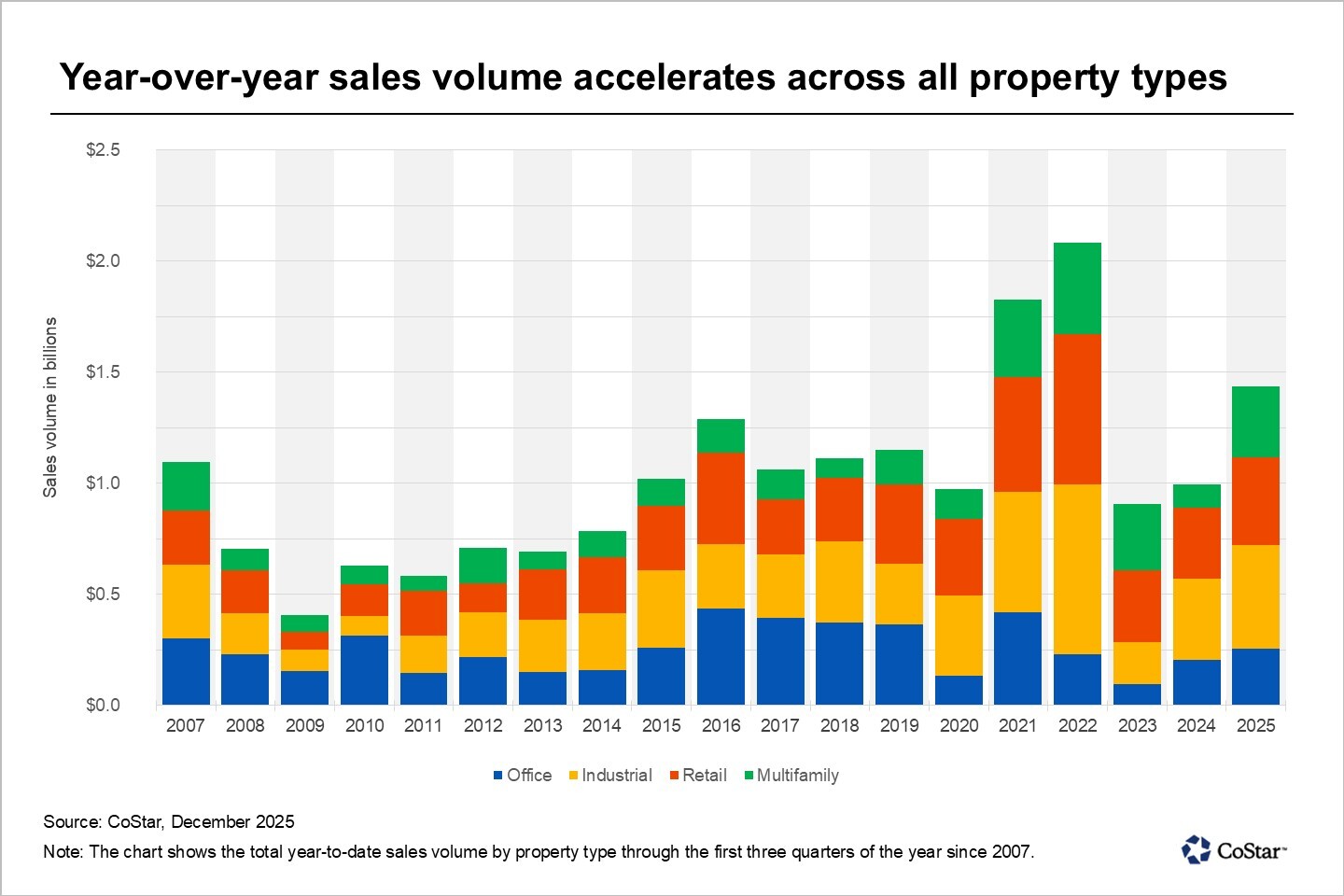
Milwaukee entered 2025 with renewed momentum, posting its strongest commercial real estate sales volume in three years. After a period of uncertainty and high capital costs, investors are returning with a sharper focus on quality assets, realistic pricing, and reliable cash flow. Activity is increasing across industrial, office, multifamily, and retail sectors, signaling a broad-based recovery fueled by stabilizing interest rates and improved market confidence.

Title Insurance Leaders Lean Into Tech, Efficiency, and Resilience for 2026

As 2026 approaches, the title insurance industry is navigating a complex mix of market recovery, rising fraud threats, and sweeping regulatory changes. Industry leaders say the path forward centers on smarter technology, leaner operations, and stronger support for title agents. With AI-driven workflows, enhanced fraud prevention, and new compliance demands—including FinCEN’s expanded Geographic Targeting Orders—companies like Stewart and First American are reshaping how title work gets done. For real estate and mortgage professionals, the year ahead promises more automation, heightened standards, and major opportunities for those who stay ahead of the curve.

Technology and the Future of Real Estate: Innovation Reshaping 2025

The real estate industry is undergoing a major transformation in 2025 as advancements in AI, proptech, blockchain, and data intelligence redefine how properties are marketed, valued, financed, and experienced. From instant digital valuations and immersive virtual tours to tokenized investments and predictive analytics, technology is reshaping every stage of the real estate lifecycle. Professionals who embrace these innovations—while maintaining the human expertise clients still rely on—will lead the next era of the industry.