“`html

In the ever-evolving landscape of property management, landlords in 2025 are turning to digital solutions to streamline their operations. As highlighted in a recent article by Avail Landlord Software, there are numerous free property management software platforms available that cater to a wide range of needs and preferences.


Avail: The Comprehensive Solution

Among the plethora of options, Avail stands out as a robust, all-in-one platform. Part of Realtor.com®, Avail offers a suite of features designed to simplify the complexities of rental management. From listing properties across major rental sites to automating property tours and streamlining rent collection, Avail covers all bases for landlords looking to manage their properties efficiently.


Avail’s free plan includes essential tools such as rental listings, lease management, and expense tracking. For those seeking enhanced capabilities, the Unlimited Plus plan offers premium tools for $9 per unit per month, providing landlords with customizable applications, leases, and faster payment processing.


Exploring Other Options

While Avail offers a comprehensive solution, landlords can also explore other platforms like Innago, Apartments.com Rental Manager, and TurboTenant. Each of these platforms brings its unique strengths to the table. For instance, Innago is ideal for small landlords, offering free tenant screening and rent collection tools, although it requires manual updates for rental listing syndication.


Similarly, Apartments.com Rental Manager provides advanced listing tools and tenant management features, making it a strong choice for those prioritizing visibility. Meanwhile, TurboTenant offers an intuitive interface and tenant-friendly features, making it an attractive option for landlords seeking cost-effective solutions.


Tailored Solutions for Every Landlord

For landlords managing larger portfolios or seeking specialized features, platforms like Buildium and DoorLoop provide advanced tools for accounting, leasing, and tenant communication. Buildium, for instance, offers a professional edge with its scalable features, while DoorLoop integrates automation and tenant communication tools to reduce complexity.


For those focused on financial management, Baselane centralizes rental property banking and accounting, although it lacks tools for rental listings and maintenance tracking. Meanwhile, Zillow Rental Manager leverages its expansive audience to help landlords attract qualified renters quickly.


Conclusion

As the digital landscape continues to evolve, landlords in 2025 have a wealth of options to choose from when it comes to property management software. Whether you’re a DIY landlord or managing a larger portfolio, platforms like Avail offer a comprehensive suite of tools to streamline operations and enhance efficiency. For more information on these platforms, you can visit the original article on Avail’s website.

“`

More Articles

Getting licensed or staying ahead in your career can be a journey—but it doesn’t have to be overwhelming. Grab your favorite coffee or tea, take a moment to relax, and browse through our articles. Whether you’re just starting out or renewing your expertise, we’ve got tips, insights, and advice to keep you moving forward. Here’s to your success—one sip and one step at a time!

The Mortgage Industry’s AI Transformation: Automation Reshapes Lending From Application to Approval

Artificial intelligence is rapidly reshaping the mortgage industry, boosting productivity, reducing manual work, and accelerating loan closings. From automated document data extraction to AI‑generated underwriting narratives and predictive analytics, lenders are using new tools that improve accuracy and drastically speed up processing times. With chatbots, next‑gen point‑of‑sale systems, and end‑to‑end automation, preapprovals that once took days now take minutes. For mortgage and real estate professionals, mastering AI is becoming a major competitive advantage—one that defines who will thrive in the future of lending.

Why Your Insurance Bill Is Rising Even as Florida Rates Go Down

Florida’s property insurance rates are finally starting to drop, but many homeowners are still seeing higher monthly bills. The reason isn’t insurer price hikes—it’s soaring replacement costs driven by construction inflation, labor shortages, and rising home values. Nearly 75 percent of recent premium increases came from higher property values alone. Understanding this gap between “rates” and “premiums” helps homeowners—and real estate and insurance professionals—navigate the shifting Florida market and make smarter coverage decisions.

Milwaukee’s Commercial Real Estate Market Turns a Corner

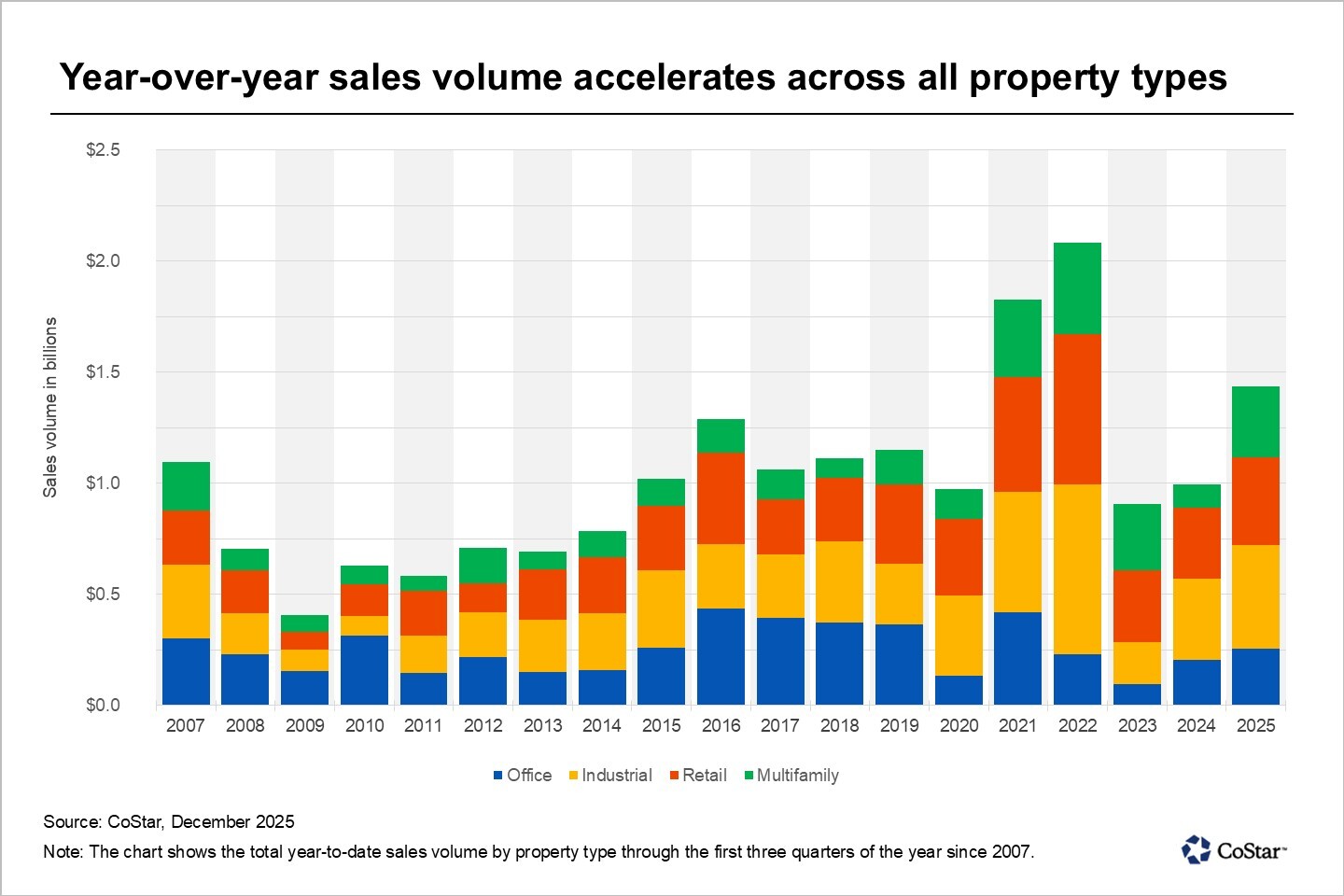
Milwaukee’s commercial real estate market is finally showing real signs of recovery, with 2025 sales volume hitting a three‑year high and investor confidence steadily returning. Driven by selective, fundamentals‑focused buying—favoring strong cash flow, quality assets, and strategic pricing—the city is moving from a period of correction into a healthier, opportunity‑rich phase. For real estate professionals nationwide, Milwaukee’s momentum reflects broader CRE market stabilization and the growing importance of disciplined underwriting and market expertise.

Reverse Mortgage Market Poised for Breakout Growth in 2026

Industry leaders project a major surge in reverse mortgage activity heading into 2026, fueled by rising proprietary products, lender innovation, and strong investor interest. As high interest rates push originators to adopt new strategies, flexible private‑label options, senior‑focused HELOCs, and a wave of big‑capital investment are reshaping the market. With education and policy shifts poised to unlock even more demand, reverse mortgages are entering their most transformative era yet.

The 2026 Housing Market Outlook: Is Better Inventory Finally on the Horizon?

Experts forecast that 2026 may bring long‑awaited relief to homebuyers, with both existing and new home inventory expected to rise. NAR predicts a boost in home sales, a slight drop in mortgage rates, and a modest 4% increase in prices—conditions that could motivate more homeowners to list while builders add over a million new homes to the market. For first‑time buyers, higher loan limits and easing qualification standards may make entering the market more achievable than in recent years.

Lower Interest Rates Signal a Brighter 2026 for South Florida Real Estate

South Florida enters 2026 with renewed optimism as falling mortgage rates, improving buyer confidence, and a strong job market help stabilize a housing landscape that struggled in 2025—especially in the condo sector. While single-family homes remained resilient last year, condos faced price drops, rising fees, and hesitation tied to new safety regulations. With rates projected to fall to around 5.8% by year’s end, buying power is increasing, inventory may loosen, and activity is expected to pick up. Still, affordability challenges persist, Miami’s rental market remains intensely competitive, and the condo sector’s recovery will take time.