When it comes to the world of luxury real estate, a handful of cities continue to dominate the global stage. As we look towards 2025, the allure of investing in high-value properties in these urban centers remains as compelling as ever. According to a recent report from finehomesandliving.com, savvy buyers are flocking to cities like New York, London, Dubai, Los Angeles, Paris, and Singapore. These cities offer not only financial returns but also a lifestyle that is as luxurious as it is distinctive.


New York City, USA: The Capital of Opportunity

New York City continues to be a prime market for luxury real estate. Known for its unparalleled access to business, culture, and lifestyle amenities, NYC is the financial center of the world. Properties range from opulent penthouses in Manhattan to historic brownstones in Brooklyn. Investors can expect continuous rental demand, especially in districts like Tribeca and the Upper East Side. Learn more about why NYC remains a city of opportunity.


London, UK: Timeless Elegance Meets Modern Living

Despite the uncertainties following Brexit, London’s real estate market remains resilient. Areas like Knightsbridge, Mayfair, and Chelsea are synonymous with luxury living, offering a mix of historic charm and modern sophistication. The improved currency exchange rate and the city’s financial and educational profiles make London an attractive investment.


Dubai, UAE: A Playground for the Ultra-Rich

Dubai has emerged as a major player in the global luxury real estate market. Known for its futuristic architecture and tax-free status, the city attracts both investors and residents. Iconic developments such as Palm Jumeirah and Downtown Dubai are particularly popular. Government initiatives encouraging overseas investment have further powered Dubai’s real estate market.


Los Angeles, USA: The Glamour Capital

Los Angeles is synonymous with glamour, attracting celebrities and international investors alike. From the mansions of Beverly Hills to the beachfront estates of Malibu, LA’s real estate caters to diverse tastes. The city’s booming entertainment industry and agreeable climate make it a perennial favorite for luxury living. Investors often use professional property management services like Earnest Homes to maximize returns.


Paris, France: Romance and Refinement

Paris, the City of Light, is a magnet for luxury property buyers. Known for its historic charm and cultural landmarks, the city offers Haussmann-style apartments and modern penthouses. Despite high prices in prime locations, Paris remains an excellent long-term investment due to its market stability.


Singapore: Asia’s Luxury Hub

Singapore stands out as a premier destination for luxury real estate in Asia. The city-state is renowned for its clean streets, efficient infrastructure, and high quality of life. Developments like Marina Bay Sands and Sentosa Cove are in high demand. The government’s strong regulatory framework ensures a stable property market, making Singapore an attractive investment.


The global luxury real estate market offers a wealth of opportunities for investors. Each city brings its unique appeal, from New York’s vibrant energy to Dubai’s futuristic skyline. Understanding the nuances of each market can help investors make informed decisions as they seek both lifestyle and financial returns.

More Articles

Getting licensed or staying ahead in your career can be a journey—but it doesn’t have to be overwhelming. Grab your favorite coffee or tea, take a moment to relax, and browse through our articles. Whether you’re just starting out or renewing your expertise, we’ve got tips, insights, and advice to keep you moving forward. Here’s to your success—one sip and one step at a time!

The Great Housing Reset: What Redfin Predicts for 2026

Redfin forecasts a slow but meaningful return to normalcy in the U.S. housing market starting in 2026. Instead of a crash or a rapid correction, the year marks the beginning of a “Great Housing Reset” where affordability gradually improves, mortgage rates ease into the low‑6% range, home sales tick upward, and renters, buyers, and professionals finally feel less market pressure. From wage growth outpacing home prices to rising refi activity and the rise of AI‑powered real estate tools, 2026 is shaping up to be a foundational year for real estate careers and long‑term market stability.

Climate Disasters Are Outpacing Insurance Uptake as the Global Protection Gap Nears Crisis Levels

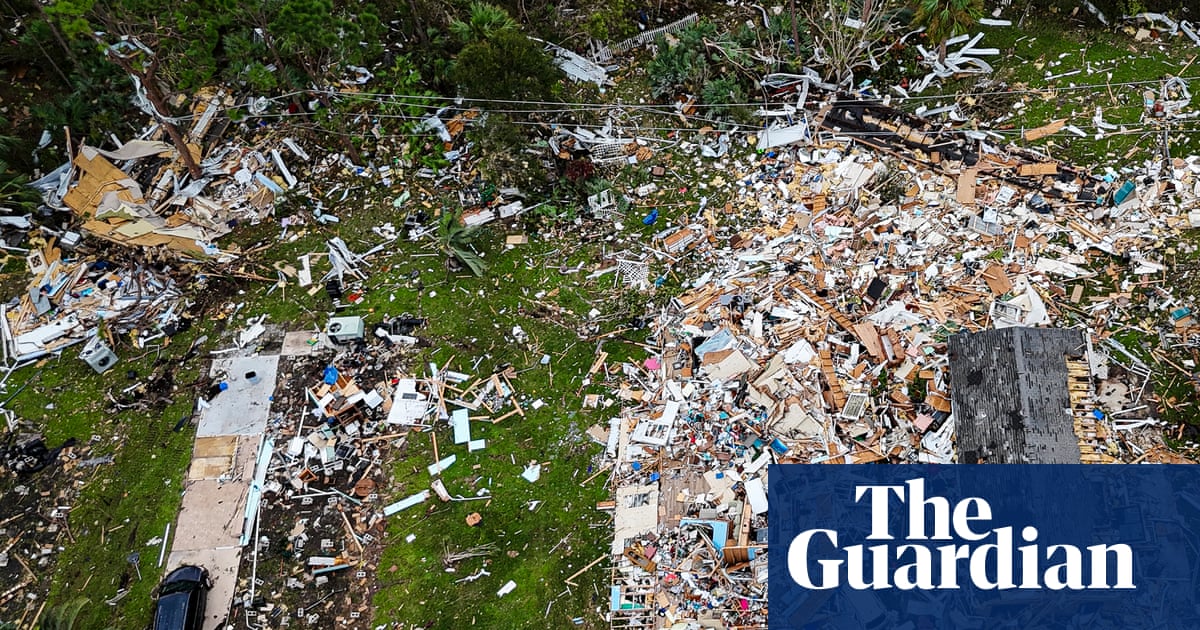
Hurricane Melissa’s destruction in Jamaica highlights a growing global reality: climate risks are accelerating faster than insurance adoption. With more than 90% of disaster losses in developing regions going uninsured and a worldwide protection gap exceeding $1.8 trillion annually, experts warn that traditional insurance systems can no longer keep up. New models—like parametric payouts, community‑based aggregation and bundled climate tools—are emerging, but governments and corporations must step in to prevent financial shocks from destabilizing entire economies.

AI-Powered Excavators? Gravis Robotics Secures $23M to Tackle Construction’s Growing Labor Crisis

Gravis Robotics, a Zurich-based startup, just raised $23 million to bring autonomous tech to construction sites facing a massive operator shortage. As demand surges for renewable energy projects, data centers, and new housing, Gravis retrofits traditional heavy machinery with AI-driven systems that can work autonomously or via remote guidance. With trials already underway across seven countries, the company is pushing a future where humans and robots collaborate — speeding up development timelines and reshaping industries from construction to real estate.

Zillow Drops Climate Risk Scores—What It Means for Agents, Buyers, and the Future of Real Estate

Zillow has quietly removed its climate‑risk scores after months of pressure from agents, homeowners, and listing services who said the warnings were scaring off buyers. The move has sparked a national debate: Is this a win for real estate sales or a setback for consumer transparency? Critics warn that without clear climate‑risk data, families could be “flying blind” into costly surprises like insurance spikes and flood damage. As climate impacts intensify and disclosure expectations rise, real estate professionals must stay informed—because whether Zillow shows the data or not, the risks aren’t going anywhere.

Florida’s Property Insurance Battle Heats Up as 2026 Approaches

Florida’s property insurance crisis is becoming the defining issue heading into the 2026 election season. Republicans argue that recent reforms are finally stabilizing the market, pointing to reduced litigation and cooling reinsurance costs. Democrats counter that families are still facing unbearable premiums, with condo prices dropping over 8% and Floridians paying some of the highest insurance rates in the nation. As lawmakers prepare to return to Tallahassee, the future of insurance reform is set to become the central political fight—one that will directly impact homeowners, investors, and real estate professionals across the state.

The Invisible Backbone Transforming Modern Real Estate

Connectivity has become one of the most powerful differentiators in today’s real estate market. As smart buildings, automation, and sustainability demands accelerate, fiber networks are replacing outdated copper systems and reshaping property value. With lower energy use, unified smart‑building capabilities, reduced long‑term costs, and stronger tenant satisfaction, digital infrastructure is now central to investment strategy. Real estate professionals who understand this shift gain a competitive edge as the industry moves toward cleaner, smarter, more connected buildings.