Florida’s real estate market is a dynamic landscape, offering a plethora of investment opportunities. Known for its sunny weather, vibrant cities, and diverse economic growth, Florida continues to attract real estate investors from across the globe. In this article, we delve into the top places in Florida for real estate investment, providing insights into their unique characteristics and potential returns.
Jacksonville: An Underrated Gem
Jacksonville stands out as a prime location for real estate investment due to its affordability, urban and coastal lifestyle, and diverse employment prospects. As the largest city by land area in the United States, Jacksonville is experiencing significant growth and development, especially in downtown and oceanfront suburbs. With a median property price of $321,000 and a median rental income of $1,350 monthly, it offers affordable suburban living with access to city amenities and strong rental demand. Learn more about the potential of Jacksonville from Jacksonville Real Estate Investment.
Orlando: The Theme Park Capital of the World
Orlando is a key player in the real estate market, driven by its thriving tourism industry and diverse property options. Known as the “Theme Park Capital of the World,” Orlando boasts significant population growth and job creation. With a median property price of $395,000 and a median rental income of $2,101 monthly, the city’s strong rental market is bolstered by millions of annual visitors, making it a lucrative investment opportunity. Discover more about Orlando’s real estate potential from Orlando Real Estate Investment. Watch a video about Orlando here.
Tampa: A Thriving Economic Hub
Tampa offers a robust environment for real estate investors, particularly those interested in long-term rentals. Renowned for its beaches and low cost of living, Tampa has a median property price of $430,000 and a median rental income of $2,300 monthly. With a high renter fraction and a growing population, Tampa is an attractive city for real estate investment. Explore more about Tampa’s real estate market from Best Places to Invest in Real Estate in Florida 2025 | Mashvisor. Watch a video about Tampa here.
St. Augustine: Historical Charm Meets Modern Living
St. Augustine, known as the nation’s oldest city, offers a unique blend of historical charm and modern economic stability. The city attracts tourists and students year-round, providing a steady rental market. Its diverse industries, including tourism and healthcare, ensure a strong real estate market, making it an appealing destination for investors.
Miami: A Coastal Metropolis
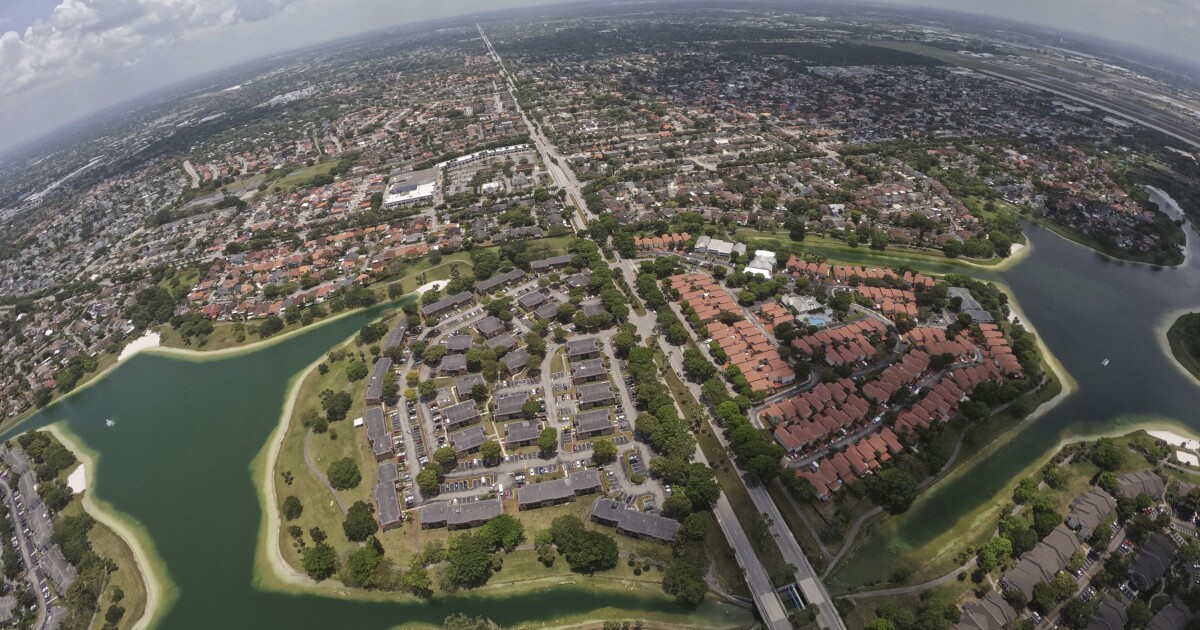
Miami is a major coastal metropolis that attracts people seeking favorable tax rates and warm weather. With a median property price of $589,000 and a median rental income of $3,700 monthly, Miami has seen significant real estate appreciation. The city’s vibrant lifestyle and high percentage of properties occupied by renters make it a promising location for investment.
Additional Noteworthy Locations
- West Palm Beach: With a median property price of $947,714 and a monthly long-term rental income of $3,386, West Palm Beach offers a strong rental market with a favorable cash on cash return of 3.66%. Learn more from Best Places to Invest in Real Estate in Florida 2025 | Mashvisor.
- Fort Lauderdale: Known for its vibrant city center and job market, Fort Lauderdale has a median property price of $625,000 and a median rental income of $3,334 monthly, making it a promising location for investment.
- St. Petersburg: With cultural attractions and waterfront views, St. Petersburg has a median property price of $770,176 and a monthly long-term rental income of $2,756.
- Winter Park: Offering a charming atmosphere and proximity to Orlando’s attractions, Winter Park has a median property price of $936,768 and a monthly long-term rental income of $3,191.
- Nokomis: Known for its serene environment, Nokomis has a median property price of $847,526 and a monthly long-term rental income of $3,095.
Investing in Florida real estate offers the potential for passive income and long-term financial growth. Whether you’re a seasoned investor or new to the market, Florida’s diverse real estate landscape provides opportunities for everyone. By understanding the unique characteristics of each location, investors can make informed decisions to capitalize on the state’s thriving real estate market.

 The Mortgage Industry’s AI Transformation: Automation Reshapes Lending From Application to Approval Gallery