Top Real Estate Marketing Strategies to Boost Your Business

The realm of real estate marketing is a landscape filled with both challenges and rewarding opportunities. A recent 2023 study by the National Association of Realtors (NAR) reveals that a staggering 89% of recent homebuyers utilized a real estate agent or broker during their purchase. Furthermore, 73% of these buyers consulted only one agent, underscoring the critical importance of early visibility and swift engagement for real estate professionals.

Here are some pivotal marketing strategies that top agents employ to expand their business reach:

Create a Website: Establishing a website is essential for any real estate professional. It serves as a central hub to showcase services and property listings, thereby attracting potential clients. Adding features like mortgage calculators provides extra value, encouraging prolonged visitor engagement. Regular content updates keep the audience informed and ensure they return during their property search journey.

Build a Blog: Blogs are powerful tools for boosting online presence. Crafting SEO-optimized content increases visibility in search results. A blog should link to the main website and other real estate profiles, broadening the scope of business insights. This not only showcases expertise but also establishes authority in the market. Sharing insights and advice leaves a lasting impression on prospective clients.

Develop Email Marketing Campaigns: Email marketing remains effective for engaging both new and existing clients. Regular newsletters summarizing blog content and featuring new property listings keep the audience informed. High-quality images and virtual tours make the communication more captivating. Engaging subject lines increase the likelihood of emails being opened, enhancing customer connection.

Employ Virtual Staging: Virtual staging offers a cost-effective alternative to physical staging, allowing buyers to envision a furnished space. A 2023 study indicates that staged homes sell for 5-23% more, underscoring the financial advantage. This technique is particularly useful when physical visits are limited, making the buying process more streamlined.

Try Experiential Marketing: This innovative approach invites potential buyers to interact with properties through events such as homebuyer workshops or open houses. Providing an in-person experience helps foster deeper connections, ultimately leading to higher conversion rates.

Partner with Local Businesses: Collaborating with local enterprises enhances marketing efforts. Joint events, like open houses with pop-up shops, create unique experiences that spotlight listings and highlight the community’s appeal. Such partnerships boost word-of-mouth referrals and strengthen brand visibility.

Run Paid Instagram Promotions: Instagram offers a dynamic platform for real estate marketing. Through targeted promotions using stunning property images, agents can reach a specific demographic, enhancing engagement. Creative video content not only promotes listings but also builds trust and personality in the digital space.

By implementing these effective marketing tactics, real estate professionals can attract new clients, enhance property sales, and thrive in a competitive industry.

For those seeking property opportunities in Bali, Kibarer Property provides comprehensive services to assist in finding the ideal property.

This article draws on insights from the original piece published by Kibarer Property, which can be accessed for more detailed strategies and advice.

More Articles

Getting licensed or staying ahead in your career can be a journey—but it doesn’t have to be overwhelming. Grab your favorite coffee or tea, take a moment to relax, and browse through our articles. Whether you’re just starting out or renewing your expertise, we’ve got tips, insights, and advice to keep you moving forward. Here’s to your success—one sip and one step at a time!

The Great Housing Reset: What Redfin Predicts for 2026

Redfin forecasts a slow but meaningful return to normalcy in the U.S. housing market starting in 2026. Instead of a crash or a rapid correction, the year marks the beginning of a “Great Housing Reset” where affordability gradually improves, mortgage rates ease into the low‑6% range, home sales tick upward, and renters, buyers, and professionals finally feel less market pressure. From wage growth outpacing home prices to rising refi activity and the rise of AI‑powered real estate tools, 2026 is shaping up to be a foundational year for real estate careers and long‑term market stability.

Climate Disasters Are Outpacing Insurance Uptake as the Global Protection Gap Nears Crisis Levels

Hurricane Melissa’s destruction in Jamaica highlights a growing global reality: climate risks are accelerating faster than insurance adoption. With more than 90% of disaster losses in developing regions going uninsured and a worldwide protection gap exceeding $1.8 trillion annually, experts warn that traditional insurance systems can no longer keep up. New models—like parametric payouts, community‑based aggregation and bundled climate tools—are emerging, but governments and corporations must step in to prevent financial shocks from destabilizing entire economies.

AI-Powered Excavators? Gravis Robotics Secures $23M to Tackle Construction’s Growing Labor Crisis

Gravis Robotics, a Zurich-based startup, just raised $23 million to bring autonomous tech to construction sites facing a massive operator shortage. As demand surges for renewable energy projects, data centers, and new housing, Gravis retrofits traditional heavy machinery with AI-driven systems that can work autonomously or via remote guidance. With trials already underway across seven countries, the company is pushing a future where humans and robots collaborate — speeding up development timelines and reshaping industries from construction to real estate.

Zillow Drops Climate Risk Scores—What It Means for Agents, Buyers, and the Future of Real Estate

Zillow has quietly removed its climate‑risk scores after months of pressure from agents, homeowners, and listing services who said the warnings were scaring off buyers. The move has sparked a national debate: Is this a win for real estate sales or a setback for consumer transparency? Critics warn that without clear climate‑risk data, families could be “flying blind” into costly surprises like insurance spikes and flood damage. As climate impacts intensify and disclosure expectations rise, real estate professionals must stay informed—because whether Zillow shows the data or not, the risks aren’t going anywhere.

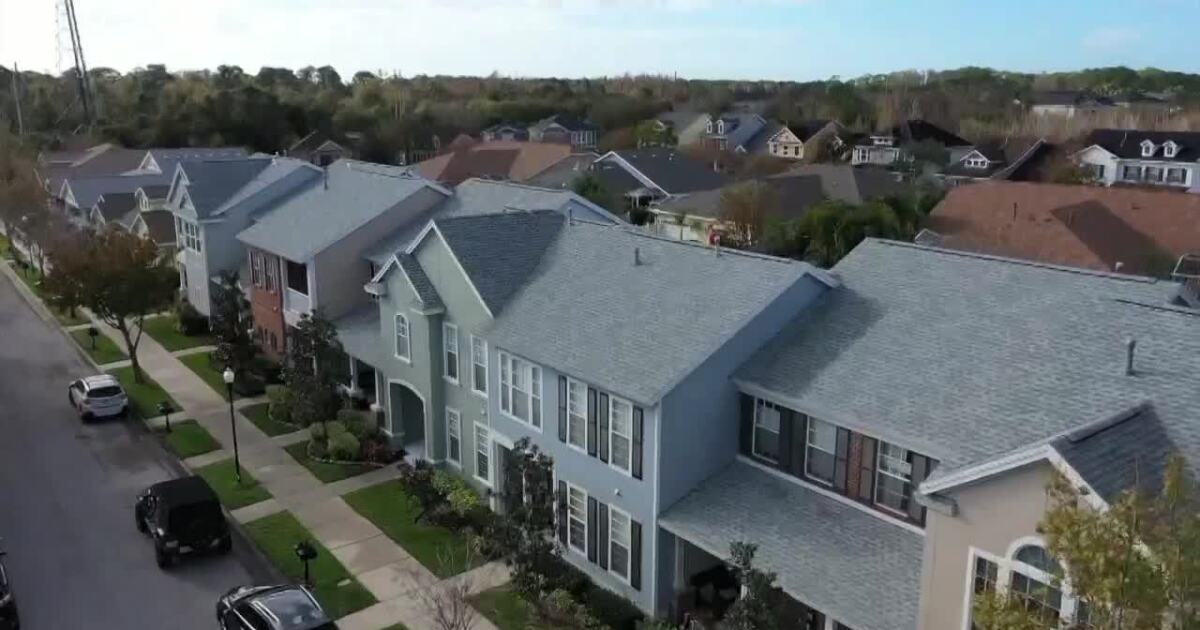
Florida’s Property Insurance Battle Heats Up as 2026 Approaches

Florida’s property insurance crisis is becoming the defining issue heading into the 2026 election season. Republicans argue that recent reforms are finally stabilizing the market, pointing to reduced litigation and cooling reinsurance costs. Democrats counter that families are still facing unbearable premiums, with condo prices dropping over 8% and Floridians paying some of the highest insurance rates in the nation. As lawmakers prepare to return to Tallahassee, the future of insurance reform is set to become the central political fight—one that will directly impact homeowners, investors, and real estate professionals across the state.

The Invisible Backbone Transforming Modern Real Estate

Connectivity has become one of the most powerful differentiators in today’s real estate market. As smart buildings, automation, and sustainability demands accelerate, fiber networks are replacing outdated copper systems and reshaping property value. With lower energy use, unified smart‑building capabilities, reduced long‑term costs, and stronger tenant satisfaction, digital infrastructure is now central to investment strategy. Real estate professionals who understand this shift gain a competitive edge as the industry moves toward cleaner, smarter, more connected buildings.