“`html

Exploring the Top Real Estate Schools in Washington, D.C. for 2025

In the bustling real estate market of Washington, D.C., aspiring agents are seeking the best educational pathways to kickstart their careers. With a myriad of options available, choosing the right school can be daunting. Fortunately, HousingWire has meticulously reviewed and ranked the top five real estate schools in the area for 2025, focusing on affordability, flexibility, and student support.

1. Colibri Real Estate

Known for its flexible, self-paced online learning, Colibri Real Estate offers a comprehensive 60-hour prelicensing course. With prices starting at $319, students can benefit from a variety of packages that include exam preparation and instructor Q&A sessions. For those who value flexibility and a robust support system, Colibri is a top choice.

2. Weichert Real Estate School

Weichert Real Estate School stands out with its brokerage-based training. Starting at $275, the school provides in-person, live virtual, and self-paced courses. It’s an excellent option for those seeking a direct path into the brokerage world, with the added benefit of potential career opportunities at Weichert.

3. The CE Shop

The CE Shop is praised for its affordable, interactive online courses. With a starting price of $339, the platform offers a modern, fully online learning experience. Their upgraded packages include exam prep and a pass or don’t pay guarantee, making it a popular choice among budget-conscious students.

4. Cooke Real Estate School

For those who prefer local, instructor-led classes, Cooke Real Estate School provides both online and in-person options. Starting at $259, the school focuses on practical real estate skills, ensuring students are well-prepared for their licensing exams and future careers.

5. Greater Capital Area Association of Realtors (GCAAR)

GCAAR is ideal for students interested in in-person learning with Realtor networking. Although they don’t offer the prelicensing course directly, they provide a range of continuing education courses led by experienced local instructors. Starting at $200, GCAAR is a cost-effective choice for those seeking extensive networking opportunities.

Choosing the Right School

Each of these schools offers unique benefits tailored to different learning styles and career goals. Whether you prefer the flexibility of online courses or the structure of in-person classes, there is a program that fits your needs. For more detailed information, visit the methodology section of the original article.

In conclusion, selecting the right real estate school is a pivotal step in launching a successful career in Washington, D.C.’s dynamic market. With the right education and preparation, you can confidently embark on your real estate journey.

“`

More Articles

Getting licensed or staying ahead in your career can be a journey—but it doesn’t have to be overwhelming. Grab your favorite coffee or tea, take a moment to relax, and browse through our articles. Whether you’re just starting out or renewing your expertise, we’ve got tips, insights, and advice to keep you moving forward. Here’s to your success—one sip and one step at a time!

The Mortgage Industry’s AI Transformation: Automation Reshapes Lending From Application to Approval

Artificial intelligence is rapidly reshaping the mortgage industry, boosting productivity, reducing manual work, and accelerating loan closings. From automated document data extraction to AI‑generated underwriting narratives and predictive analytics, lenders are using new tools that improve accuracy and drastically speed up processing times. With chatbots, next‑gen point‑of‑sale systems, and end‑to‑end automation, preapprovals that once took days now take minutes. For mortgage and real estate professionals, mastering AI is becoming a major competitive advantage—one that defines who will thrive in the future of lending.

Why Your Insurance Bill Is Rising Even as Florida Rates Go Down

Florida’s property insurance rates are finally starting to drop, but many homeowners are still seeing higher monthly bills. The reason isn’t insurer price hikes—it’s soaring replacement costs driven by construction inflation, labor shortages, and rising home values. Nearly 75 percent of recent premium increases came from higher property values alone. Understanding this gap between “rates” and “premiums” helps homeowners—and real estate and insurance professionals—navigate the shifting Florida market and make smarter coverage decisions.

Milwaukee’s Commercial Real Estate Market Turns a Corner

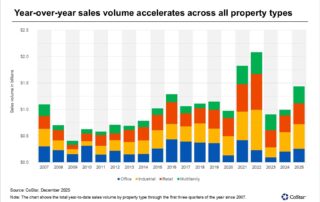
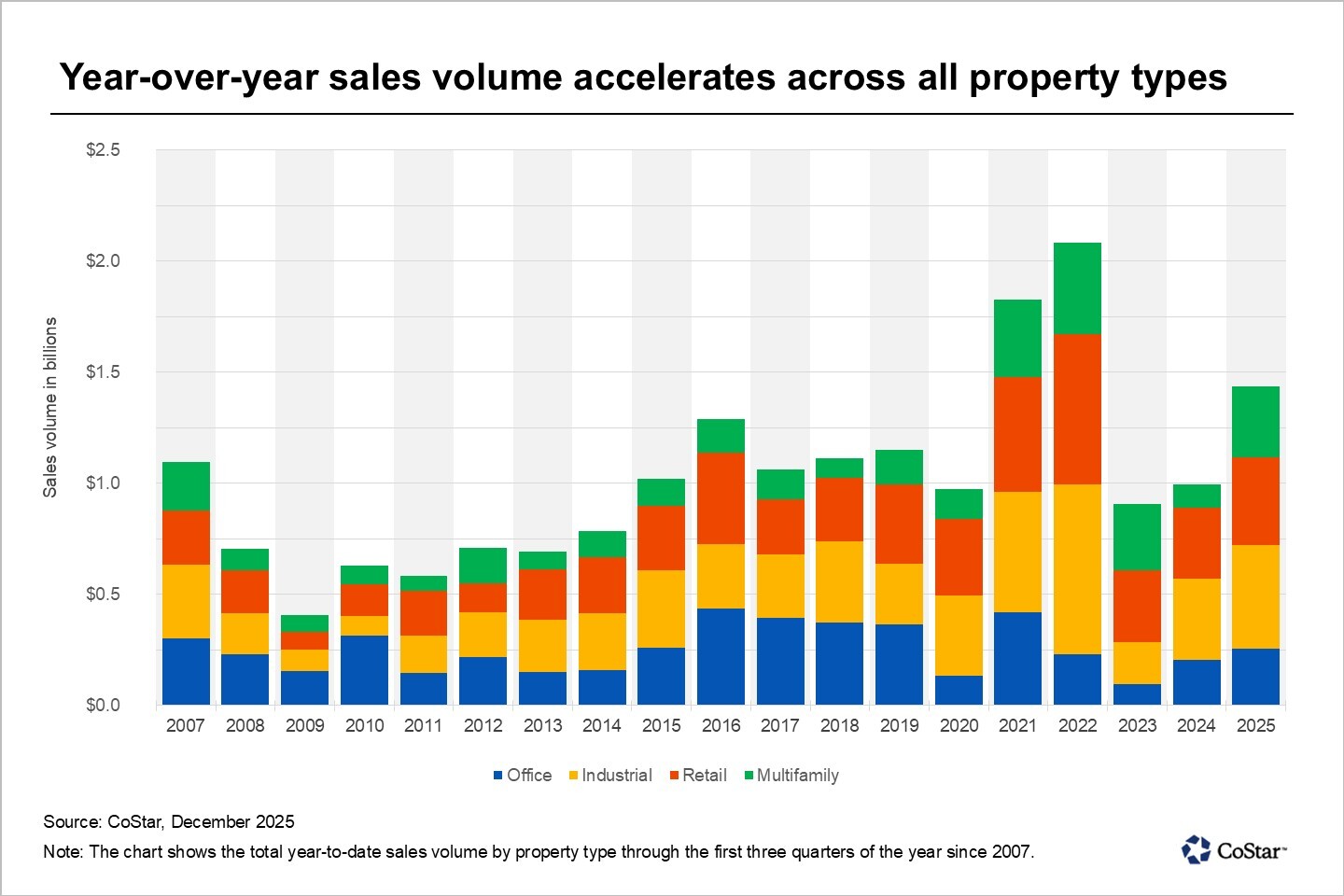
Milwaukee’s commercial real estate market is finally showing real signs of recovery, with 2025 sales volume hitting a three‑year high and investor confidence steadily returning. Driven by selective, fundamentals‑focused buying—favoring strong cash flow, quality assets, and strategic pricing—the city is moving from a period of correction into a healthier, opportunity‑rich phase. For real estate professionals nationwide, Milwaukee’s momentum reflects broader CRE market stabilization and the growing importance of disciplined underwriting and market expertise.

Reverse Mortgage Market Poised for Breakout Growth in 2026

Industry leaders project a major surge in reverse mortgage activity heading into 2026, fueled by rising proprietary products, lender innovation, and strong investor interest. As high interest rates push originators to adopt new strategies, flexible private‑label options, senior‑focused HELOCs, and a wave of big‑capital investment are reshaping the market. With education and policy shifts poised to unlock even more demand, reverse mortgages are entering their most transformative era yet.

The 2026 Housing Market Outlook: Is Better Inventory Finally on the Horizon?

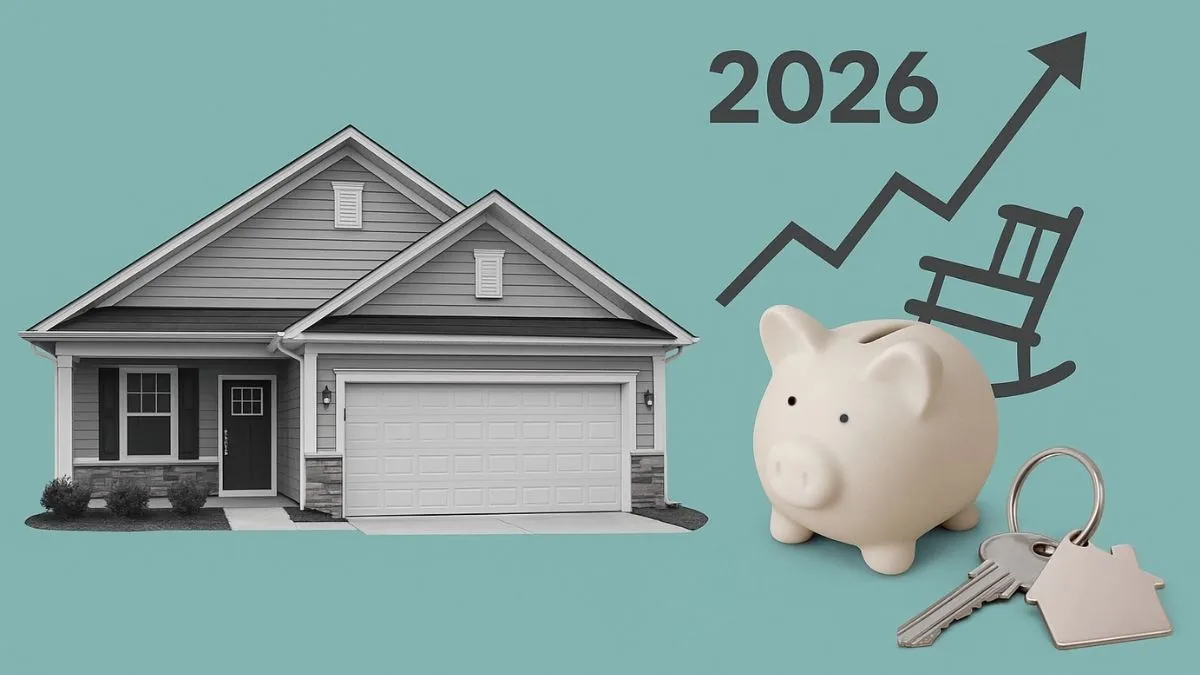
Experts forecast that 2026 may bring long‑awaited relief to homebuyers, with both existing and new home inventory expected to rise. NAR predicts a boost in home sales, a slight drop in mortgage rates, and a modest 4% increase in prices—conditions that could motivate more homeowners to list while builders add over a million new homes to the market. For first‑time buyers, higher loan limits and easing qualification standards may make entering the market more achievable than in recent years.

Lower Interest Rates Signal a Brighter 2026 for South Florida Real Estate

South Florida enters 2026 with renewed optimism as falling mortgage rates, improving buyer confidence, and a strong job market help stabilize a housing landscape that struggled in 2025—especially in the condo sector. While single-family homes remained resilient last year, condos faced price drops, rising fees, and hesitation tied to new safety regulations. With rates projected to fall to around 5.8% by year’s end, buying power is increasing, inventory may loosen, and activity is expected to pick up. Still, affordability challenges persist, Miami’s rental market remains intensely competitive, and the condo sector’s recovery will take time.