As we step into 2025, a year poised to redefine our technological landscape, consumers are eager for innovations that promise to enhance their lifestyles with unprecedented convenience and excitement. The article from Analytics Insight delves into the top tech upgrades that are on the horizon, shaping the future of consumer technology.

Advanced Integration of Artificial Intelligence

Artificial Intelligence (AI) is set to be a cornerstone of consumer technology in 2025. As AI becomes more integrated into everyday devices, it will usher in an era of personalized convenience. AI-powered systems are expected to learn and adapt to user habits, offering a seamless and connected experience. From smart home devices to personal assistants, AI will play a pivotal role in making daily tasks more efficient and enjoyable. For more on AI’s influence, consider reading about its impact on the 2024 US elections.

Upgradation of 5G Connectivity

The rollout of 5G technology is set to revolutionize user interaction with devices and the Internet. With its promise of ultra-fast speeds and low latency, 5G will enhance everything from streaming high-definition content to online gaming. Beyond entertainment, 5G will significantly impact industries such as telemedicine and remote work, facilitating seamless virtual experiences.

AR Experiences

Augmented Reality (AR) is expected to integrate smoothly into daily life by 2025, transforming sectors like retail, education, and entertainment. AR will redefine shopping experiences by allowing users to visualize products in their own environments. In education, AR will make learning more interactive and accessible. For further exploration, see how AR is utilized beyond gaming in business and education.

Wearable Health Technology

Wearable technology has become essential for health monitoring. As we move forward, consumers will demand more than just tracking; they will look for actionable insights and preventive healthcare solutions. Devices will offer personalized health recommendations, shifting the focus from reactive to proactive well-being management. Discover key features of smartwatches here.

Sustainable Tech Solutions

With growing environmental awareness, there is a rising demand for eco-friendly technology. Products made from sustainable materials and designed to reduce carbon footprints are becoming increasingly popular. This shift towards green technology aligns with consumers’ values for sustainability.

Smart Home Automation

The demand for smart home technology is set to soar, driven by the desire for integrated automation solutions. From smart thermostats to security systems, consumers want a unified ecosystem that offers convenience and safety. The advanced security features in smart homes are becoming the standard for safe living.

Blockchain Technology Beyond Cryptocurrency

Blockchain technology is expanding beyond its roots in cryptocurrency, offering enhanced security and transparency in areas like supply chain and healthcare record management. By 2025, blockchain will play a significant role in ensuring safe and traceable transactions, reflecting a broader cultural shift towards digital responsibility.

Conclusion

As technology continues to weave itself into the fabric of our daily lives, 2025 promises to be a landmark year for consumer innovation. The convergence of personalization, connectivity, sustainability, and intuitive design will push companies to meet the sophisticated demands of modern consumers. Stay updated with the latest developments by joining our WhatsApp Channel.

More Articles

Getting licensed or staying ahead in your career can be a journey—but it doesn’t have to be overwhelming. Grab your favorite coffee or tea, take a moment to relax, and browse through our articles. Whether you’re just starting out or renewing your expertise, we’ve got tips, insights, and advice to keep you moving forward. Here’s to your success—one sip and one step at a time!

Proptech Promised a Revolution — So Why Does Real Estate Still Feel the Same?

Despite billions poured into proptech and a decade of flashy digital upgrades, the real estate experience remains largely unchanged. Apps made processes smoother, but not more transparent — because the industry’s core structures, data control and power dynamics stayed the same. True disruption will come from platforms that shift information and control to consumers, not just digitize outdated systems.

CRE Markets Wake Up in 2026: What Real Estate Professionals Need to Know

Early 2026 is delivering a clear message: commercial real estate is entering a recalibration phase. Construction is softening, pending home sales just saw a sharp drop, consumer sentiment is inching upward but remains fragile, and capital markets are tightening as major CRE sectors face rising distress. From data centers powering ahead to CMBS foreclosures climbing and office-to-residential conversions gaining momentum, professionals across real estate, mortgage, insurance, and finance need to stay sharp as the industry shifts.

Top 10 Highest-Paying Real Estate Careers of 2026

Discover the real estate roles earning the biggest paychecks in 2026. From investment consultants to commercial leasing managers, this breakdown highlights the salaries, responsibilities, and career paths offering the strongest financial potential in today’s evolving market—perfect for newcomers and seasoned professionals mapping their next big move.

Montana Launches Bold Licensing Reform Task Force to Boost Workforce Participation

Montana is taking major steps to remove outdated licensing barriers and strengthen its workforce. Governor Greg Gianforte has created a new Licensing Reform Task Force aimed at modernizing regulations, speeding up approvals, and helping more professionals enter high‑demand fields like construction and healthcare. With licensing numbers doubling over the past decade and rural communities facing critical shortages, the state is pushing for faster, more efficient pathways to work. The task force begins meeting in February and will deliver its full reform report by September 2026 — a move that could influence licensing modernization efforts nationwide.

AI Becomes Standard Gear for Real Estate Agents in 2026

Artificial intelligence has officially moved from novelty to necessity in the real estate world. According to new industry data, 97% of brokerage leaders say their agents now rely on AI tools for everything from listing descriptions to full-scale marketing campaigns. As adoption skyrockets, so do concerns over training, accuracy, and compliance — especially among smaller firms. The message is clear: for today’s real estate professionals, AI literacy isn’t optional anymore.

How the Biggest Players Shaped the 2025 Commercial Real Estate Comeback

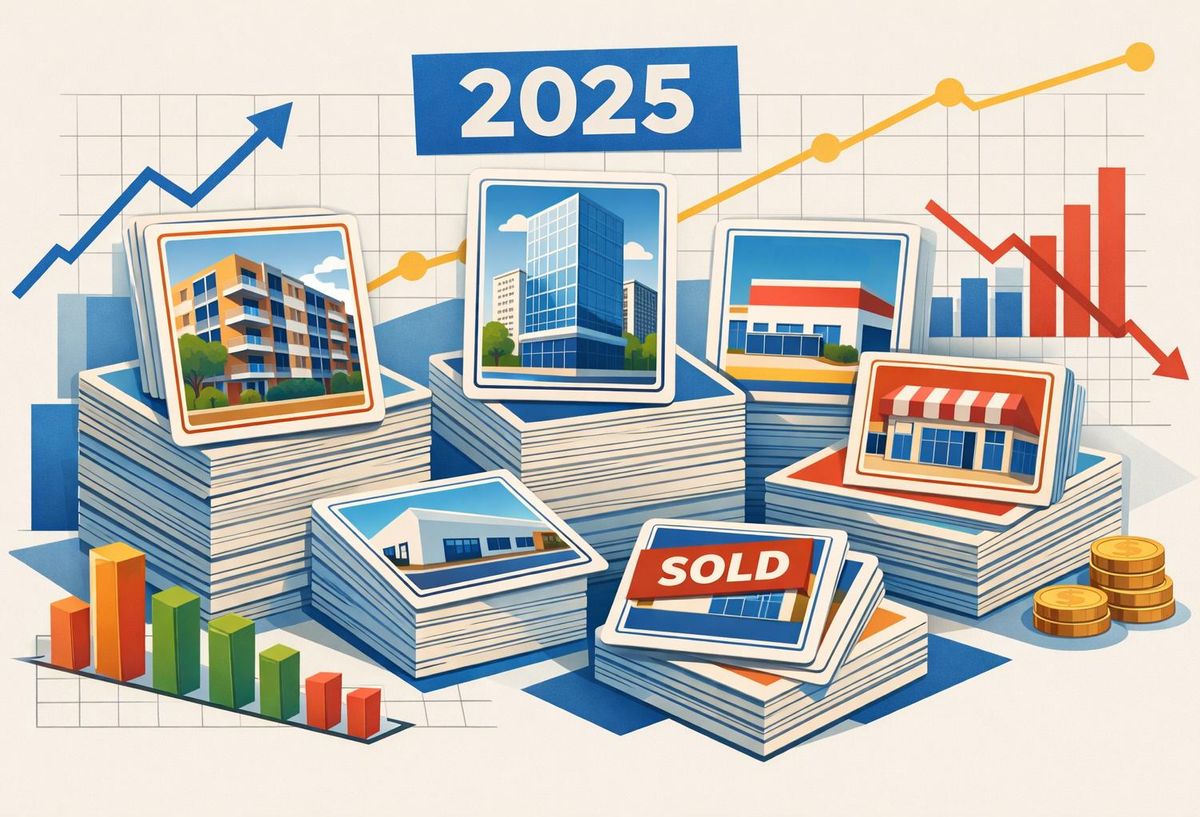
Commercial real estate roared back to life in 2025, with more than $255B pouring into multifamily, industrial, office and retail assets. Major investors moved fast on falling interest rates, improving bond yields and rising confidence across sectors. Multifamily dominated with over $115B in deals, industrial surged under private equity leadership, office saw renewed activity from owner-users and retail proved surprisingly resilient. For today’s real estate and finance professionals, the message is clear: opportunity favors those who stay informed and ready to act.