As we step into 2025, a year poised to redefine our technological landscape, consumers are eager for innovations that promise to enhance their lifestyles with unprecedented convenience and excitement. The article from Analytics Insight delves into the top tech upgrades that are on the horizon, shaping the future of consumer technology.

Advanced Integration of Artificial Intelligence

Artificial Intelligence (AI) is set to be a cornerstone of consumer technology in 2025. As AI becomes more integrated into everyday devices, it will usher in an era of personalized convenience. AI-powered systems are expected to learn and adapt to user habits, offering a seamless and connected experience. From smart home devices to personal assistants, AI will play a pivotal role in making daily tasks more efficient and enjoyable. For more on AI’s influence, consider reading about its impact on the 2024 US elections.

Upgradation of 5G Connectivity

The rollout of 5G technology is set to revolutionize user interaction with devices and the Internet. With its promise of ultra-fast speeds and low latency, 5G will enhance everything from streaming high-definition content to online gaming. Beyond entertainment, 5G will significantly impact industries such as telemedicine and remote work, facilitating seamless virtual experiences.

AR Experiences

Augmented Reality (AR) is expected to integrate smoothly into daily life by 2025, transforming sectors like retail, education, and entertainment. AR will redefine shopping experiences by allowing users to visualize products in their own environments. In education, AR will make learning more interactive and accessible. For further exploration, see how AR is utilized beyond gaming in business and education.

Wearable Health Technology

Wearable technology has become essential for health monitoring. As we move forward, consumers will demand more than just tracking; they will look for actionable insights and preventive healthcare solutions. Devices will offer personalized health recommendations, shifting the focus from reactive to proactive well-being management. Discover key features of smartwatches here.

Sustainable Tech Solutions

With growing environmental awareness, there is a rising demand for eco-friendly technology. Products made from sustainable materials and designed to reduce carbon footprints are becoming increasingly popular. This shift towards green technology aligns with consumers’ values for sustainability.

Smart Home Automation

The demand for smart home technology is set to soar, driven by the desire for integrated automation solutions. From smart thermostats to security systems, consumers want a unified ecosystem that offers convenience and safety. The advanced security features in smart homes are becoming the standard for safe living.

Blockchain Technology Beyond Cryptocurrency

Blockchain technology is expanding beyond its roots in cryptocurrency, offering enhanced security and transparency in areas like supply chain and healthcare record management. By 2025, blockchain will play a significant role in ensuring safe and traceable transactions, reflecting a broader cultural shift towards digital responsibility.

Conclusion

As technology continues to weave itself into the fabric of our daily lives, 2025 promises to be a landmark year for consumer innovation. The convergence of personalization, connectivity, sustainability, and intuitive design will push companies to meet the sophisticated demands of modern consumers. Stay updated with the latest developments by joining our WhatsApp Channel.

More Articles

Getting licensed or staying ahead in your career can be a journey—but it doesn’t have to be overwhelming. Grab your favorite coffee or tea, take a moment to relax, and browse through our articles. Whether you’re just starting out or renewing your expertise, we’ve got tips, insights, and advice to keep you moving forward. Here’s to your success—one sip and one step at a time!

The Mortgage Industry’s AI Transformation: Automation Reshapes Lending From Application to Approval

Artificial intelligence is rapidly reshaping the mortgage industry, boosting productivity, reducing manual work, and accelerating loan closings. From automated document data extraction to AI‑generated underwriting narratives and predictive analytics, lenders are using new tools that improve accuracy and drastically speed up processing times. With chatbots, next‑gen point‑of‑sale systems, and end‑to‑end automation, preapprovals that once took days now take minutes. For mortgage and real estate professionals, mastering AI is becoming a major competitive advantage—one that defines who will thrive in the future of lending.

Why Your Insurance Bill Is Rising Even as Florida Rates Go Down

Florida’s property insurance rates are finally starting to drop, but many homeowners are still seeing higher monthly bills. The reason isn’t insurer price hikes—it’s soaring replacement costs driven by construction inflation, labor shortages, and rising home values. Nearly 75 percent of recent premium increases came from higher property values alone. Understanding this gap between “rates” and “premiums” helps homeowners—and real estate and insurance professionals—navigate the shifting Florida market and make smarter coverage decisions.

Milwaukee’s Commercial Real Estate Market Turns a Corner

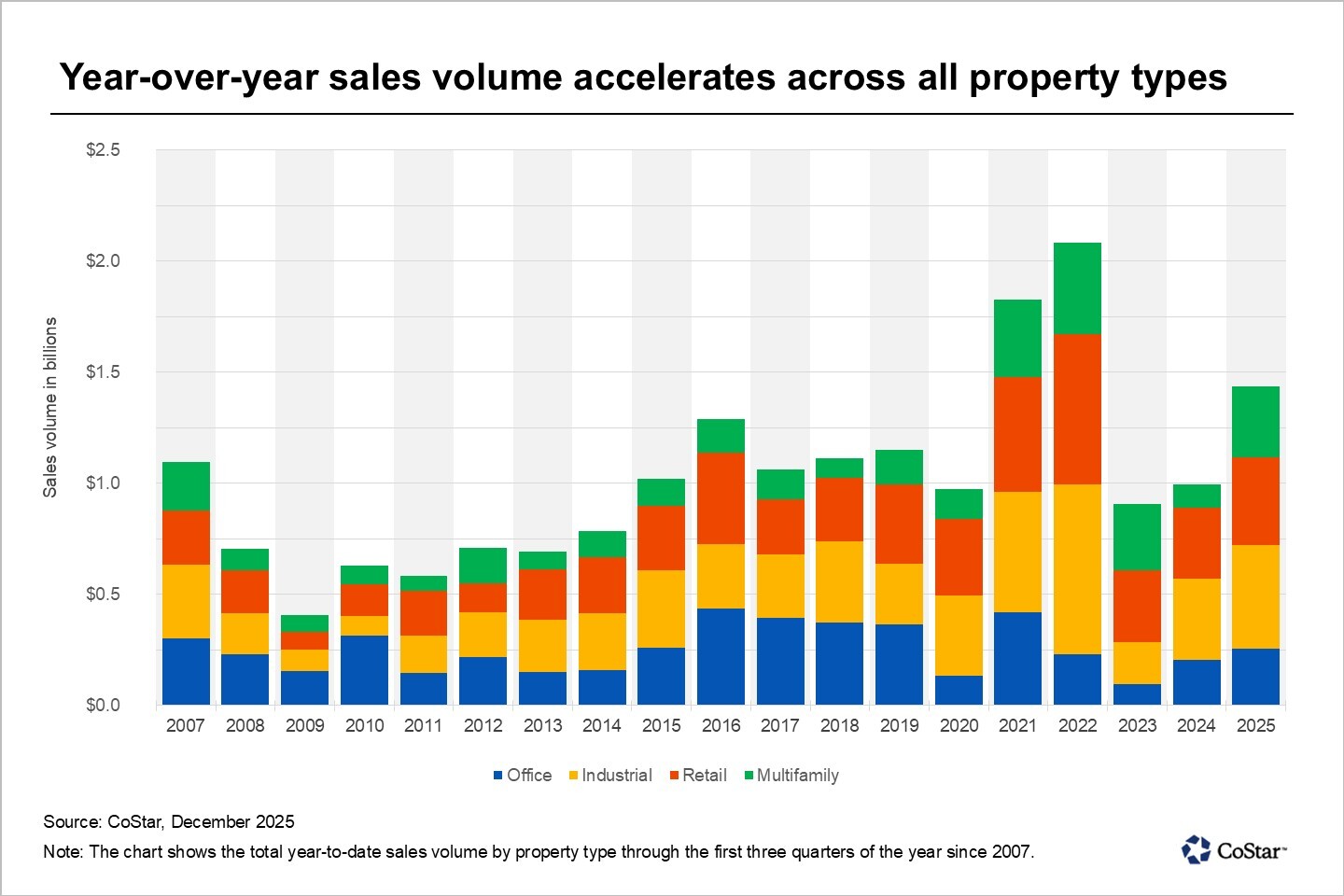
Milwaukee’s commercial real estate market is finally showing real signs of recovery, with 2025 sales volume hitting a three‑year high and investor confidence steadily returning. Driven by selective, fundamentals‑focused buying—favoring strong cash flow, quality assets, and strategic pricing—the city is moving from a period of correction into a healthier, opportunity‑rich phase. For real estate professionals nationwide, Milwaukee’s momentum reflects broader CRE market stabilization and the growing importance of disciplined underwriting and market expertise.

Reverse Mortgage Market Poised for Breakout Growth in 2026

Industry leaders project a major surge in reverse mortgage activity heading into 2026, fueled by rising proprietary products, lender innovation, and strong investor interest. As high interest rates push originators to adopt new strategies, flexible private‑label options, senior‑focused HELOCs, and a wave of big‑capital investment are reshaping the market. With education and policy shifts poised to unlock even more demand, reverse mortgages are entering their most transformative era yet.

The 2026 Housing Market Outlook: Is Better Inventory Finally on the Horizon?

Experts forecast that 2026 may bring long‑awaited relief to homebuyers, with both existing and new home inventory expected to rise. NAR predicts a boost in home sales, a slight drop in mortgage rates, and a modest 4% increase in prices—conditions that could motivate more homeowners to list while builders add over a million new homes to the market. For first‑time buyers, higher loan limits and easing qualification standards may make entering the market more achievable than in recent years.

Lower Interest Rates Signal a Brighter 2026 for South Florida Real Estate

South Florida enters 2026 with renewed optimism as falling mortgage rates, improving buyer confidence, and a strong job market help stabilize a housing landscape that struggled in 2025—especially in the condo sector. While single-family homes remained resilient last year, condos faced price drops, rising fees, and hesitation tied to new safety regulations. With rates projected to fall to around 5.8% by year’s end, buying power is increasing, inventory may loosen, and activity is expected to pick up. Still, affordability challenges persist, Miami’s rental market remains intensely competitive, and the condo sector’s recovery will take time.