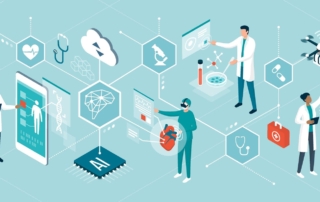
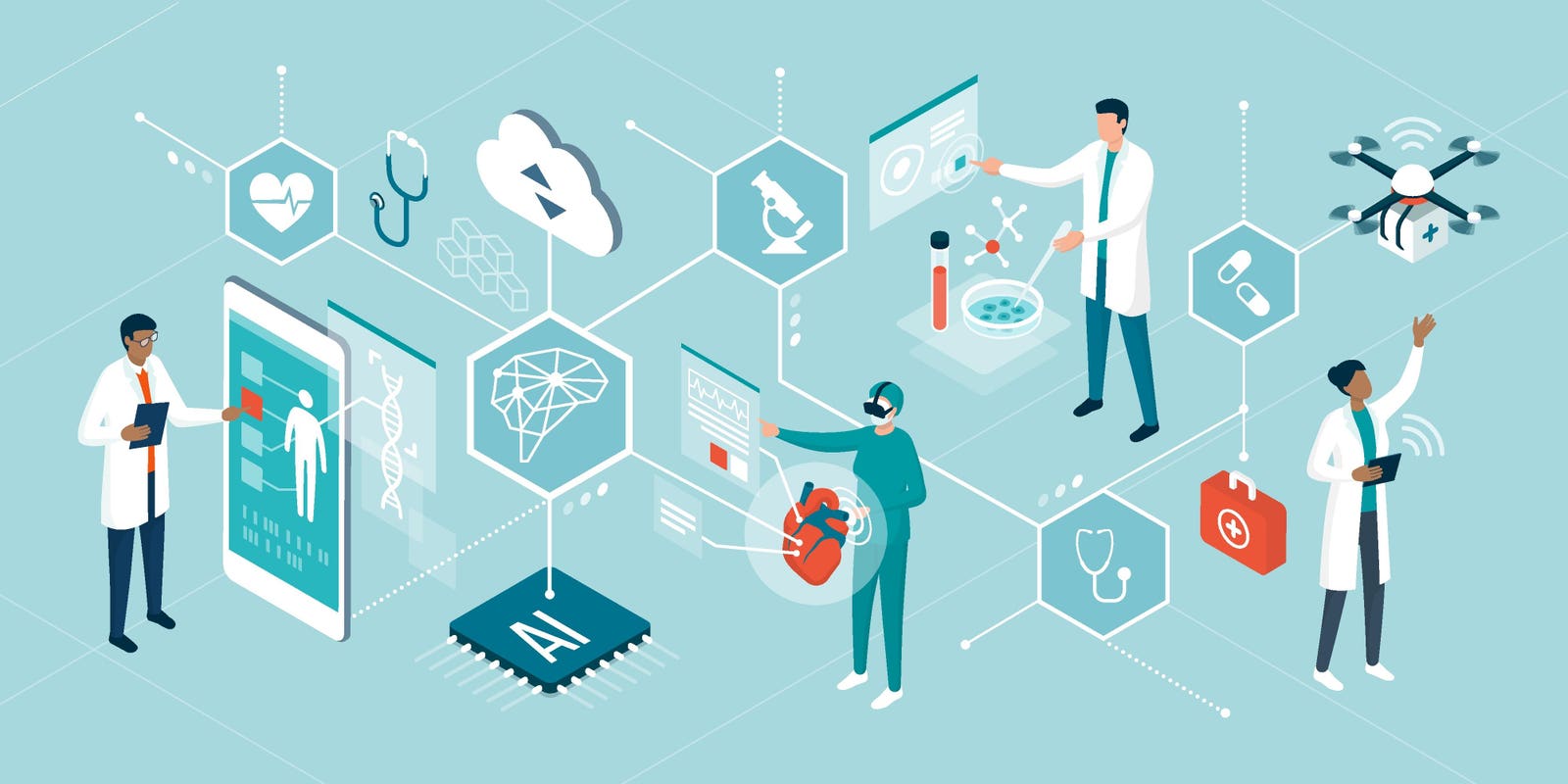
Artificial intelligence (AI) is ushering in a transformative era in healthcare, enhancing patient care, diagnostics, and treatment planning. This groundbreaking shift is meticulously documented by MedicalExpo e-magazine, which has published an array of reports detailing AI’s advancements across the medical sector, including notable innovations in aesthetics medicine, immunotherapy, and hospital waste management.

In healthcare, AI tools excel at analyzing extensive patient data, from health history to lifestyle choices. By leveraging this information, healthcare practitioners can create highly customized treatment plans tailored to individual needs, resulting in improved healthcare outcomes.

AI in Aesthetic Medicine

AI’s potential is particularly pronounced in aesthetic medicine. The introduction of AI-powered image analysis tools has enabled dermatologists and clinicians to diagnose and treat skin conditions with remarkable precision. These tools can accurately identify facial features and skin conditions, facilitating more effective clinical decisions. A notable tool is Crisalix’s 3D imaging system, which allows cosmetic surgeons to simulate surgery outcomes for refined planning and decision-making. Continuous monitoring of skin health through AI offers enhanced patient care by providing data-driven insights. For more on this, explore How AI Is Revolutionizing Aesthetics.

AI Algorithms for Skin Disease Diagnosis

Researchers at the Technical University of Munich have developed an AI algorithm, FusionM4Net, to improve the diagnosis of skin diseases and cancer. This algorithm combines visual data and meta-data, offering heightened accuracy in classifying skin lesions, thus assisting less experienced physicians in reducing human error. Discover more about this innovation at A New AI Algorithm to Help Doctors Spot Skin Diseases.

AI in Immunotherapy Discovery

AI is also making waves in immunotherapy discovery through platforms like Evaxion Biotech’s AI-Immunology™. This platform synthesizes predictive models for next-generation therapies by simulating the human immune system. Its integrated AI models, such as PIONEER™, EDEN™, RAVEN™, and ObsERV™, are pivotal in crafting novel personalized cancer vaccines and addressing infectious diseases. For a deeper dive, refer to Evaxion’s AI-Immunology™: Transforming Vaccine and Immunotherapy Discovery.

AI and Hospital Waste Management

Furthermore, AI’s role extends to optimizing hospital operations, as seen in waste management innovations where AI-powered solutions automate and enhance waste segregation practices, ensuring compliance with rigorous regulatory standards. For more insights, visit How Can AI Help With Hospital Waste Management?.

These AI-driven breakthroughs herald an exciting era in healthcare, promising a future where patient care is increasingly precise, personalized, and efficient. For a more comprehensive exploration of these pioneering advancements, refer to the full articles linked above.


More Articles

Getting licensed or staying ahead in your career can be a journey—but it doesn’t have to be overwhelming. Grab your favorite coffee or tea, take a moment to relax, and browse through our articles. Whether you’re just starting out or renewing your expertise, we’ve got tips, insights, and advice to keep you moving forward. Here’s to your success—one sip and one step at a time!

KBank’s Crypto Dilemma: Navigating Legislative Changes Amid IPO Plans

The financial landscape in South Korea is poised for a seismic shift as KBank, a major digital bank, grapples with a legislative curveball. The bank, which is heavily reliant on deposits from Upbit, Korea’s dominant cryptocurrency exchange, is facing a potential profit squeeze. The new Virtual Asset User Protection Act, set to take effect on July 19, 2024, mandates that banks must pay interest on crypto exchange deposits, a move that could severely impact KBank's bottom line.

By |December 29, 2024|Categories: Article, Cryptocurrency, Finance|Tags: |0 Comments

The Transformation of Healthcare: AI’s Role in Diagnostics and Personalized Medicine

AI's ability to analyze vast amounts of data is paving the way for a profound change in medical diagnostics. Khosla predicted that AI could take over up to 80% of standard medical tasks, reducing errors and biases in human diagnosis. This is particularly evident in fields like radiology and pathology, where AI's proficiency in analyzing medical imaging allows for the early detection of diseases such as cancer, significantly improving treatment outcomes.

The Geography of Pandemic-Era Home Price Trends and Implications for Affordability

The COVID-19 pandemic has dramatically reshaped the housing market landscape, resulting in an unprecedented surge in home prices throughout the United States.

By |December 28, 2024|Categories: Affordability Issues, Article, Housing Market|Tags: |0 Comments

AI in Healthcare: Transforming the Industry Today and Tomorrow

In a world where technology is rapidly evolving, artificial intelligence (AI) is proving to be a game-changer in the healthcare sector. AI-powered tools are improving patient outcomes, enhancing operational efficiency, and reducing costs, reshaping the very fabric of healthcare delivery.

By |December 28, 2024|Categories: Article, Artificial Intelligence, Healthcare|Tags: |0 Comments

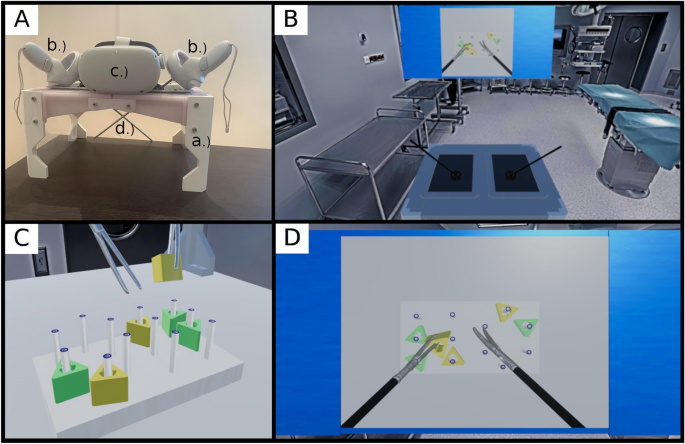
Revolutionizing Surgical Training with VR and AI

In a groundbreaking study published by Nature, researchers have unveiled a novel approach to surgical training using a low-fidelity virtual reality (VR) simulator enhanced with artificial intelligence (AI) for objective assessment. This pioneering method is poised to transform how medical students acquire laparoscopic skills, offering a cost-effective and efficient alternative to traditional training models.

AI and Machine Learning: Revolutionizing the Healthcare Industry

AI in healthcare is projected to grow into a $188 billion industry worldwide by 2030, promising to revolutionize the field. From drug development to improved diagnostics, AI is already making significant strides, transforming medical practices and enhancing patient care efficiency.

By |December 27, 2024|Categories: Article, Healthcare, Technology|Tags: , |0 Comments