In the rapidly evolving landscape of real estate, technology is reshaping the way we buy, sell, and manage properties. Once reliant on traditional methods, the industry now embraces cutting-edge innovations like artificial intelligence and computer vision.

Zillow’s Zestimate tool is a prime example of this digital transformation. Initially launched in 2006, this tool has drastically improved its accuracy over the years. By incorporating traditional real estate metrics alongside advanced technologies, such as computer vision, it offers a median error rate just above 3 percent. This is a significant leap from its early days when the error rate hovered around 14 percent.

The influence of AI in real estate extends beyond Zillow. As AI technology matures, more automated valuation models (AVMs) are emerging, offering new ways to appraise properties. This shift is not just about valuation; it’s about transforming the entire real estate transaction process.

Redfin, another leader in real estate tech, introduced its “Instant Updates” feature over a decade ago. This tool has revolutionized how prospective buyers receive notifications about new listings and price changes. According to Jen Chao, Vice President of Engineering at Redfin, “We can notify our customers faster than anybody else,” ensuring they are the first to know about market changes.

The concept of iBuying further exemplifies the industry’s pivot towards immediacy. Platforms like Opendoor have made selling homes akin to trading cars, offering cash offers and quick sales. This model, while currently a small portion of the market, is expected to grow significantly.

As we look to the future, the real estate sector is poised for even more transformation. Companies like Redfin and Zillow are leading the charge, but they are not alone. The industry is becoming a tapestry of tech-driven companies, each contributing to a more efficient, transparent, and user-friendly market.

For a deeper dive into these trends and to explore the companies shaping the future of real estate, you can read the full article on Built In.

More Articles

Getting licensed or staying ahead in your career can be a journey—but it doesn’t have to be overwhelming. Grab your favorite coffee or tea, take a moment to relax, and browse through our articles. Whether you’re just starting out or renewing your expertise, we’ve got tips, insights, and advice to keep you moving forward. Here’s to your success—one sip and one step at a time!

Revolutionizing Real Estate with IoT: A New Era of Smart Homes

The real estate industry is on the brink of a transformation, driven by the integration of the Internet of Things (IoT). This technological advancement is reshaping how buildings operate and enhancing tenant experiences across the globe.

New Orleans as a Beacon of Resilience: The Sixth Triennial

"This framework postulates New Orleans as already living in the future," said Patterson during the exhibition's opening. Lash added, "We want to show New Orleans as a gift and as a scout." The exhibition, featuring 51 artists across 21 venues, highlights how contemporary art can serve as an engine of coping, rather than mere recovery.

By |March 6, 2025|Categories: Art, Article, Culture|Tags: , |0 Comments

Navigating Trump’s Tax Proposals: Key Changes Ahead

As the dust settles on the recent Republican victory in the U.S. presidential election, the tax landscape is poised for significant changes with President-elect Donald Trump set to return to the White House.

By |March 6, 2025|Categories: Article, Tax Policy, U.S. Politics|Tags: , |0 Comments

Multifamily Housing Sector: Modest Growth and Market Predictions for 2025

As we step into 2025, the multifamily housing sector is projected to experience modest growth. Yardi Matrix anticipates a 1.5% increase in rents, driven by positive economic conditions and stable industry fundamentals, particularly in the Northeast and Midwest regions. However, the rent growth forecasts vary across different markets.

Renter Preferences for 2024: Insights from Industry Surveys

Recent surveys have shed light on the preferences and priorities of renters in 2024, emphasizing the dominance of digital marketing and the importance of community inclusiveness.

AI Revolutionizes the Real Estate Market

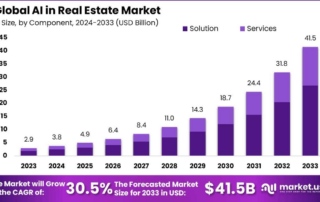
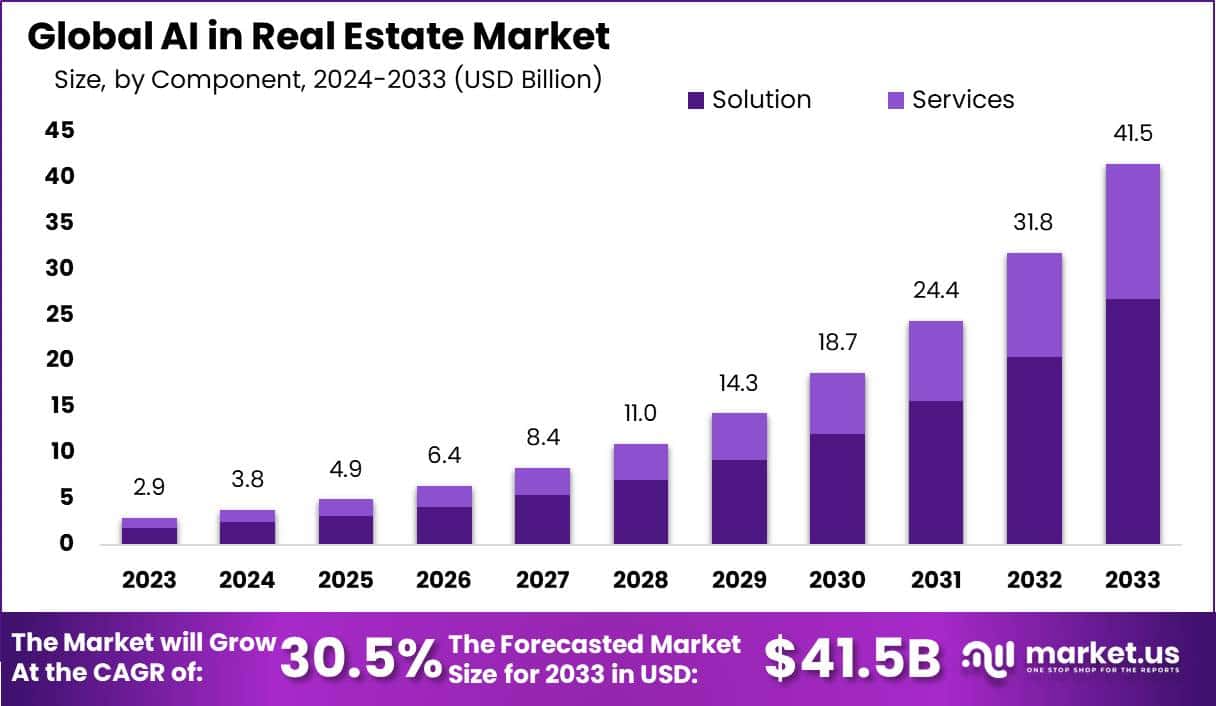
The real estate industry is on the brink of a technological transformation, with Artificial Intelligence (AI) playing a pivotal role. According to a recent report by Market.us, the AI in real estate market is projected to surge from USD 2.9 Billion in 2023 to a staggering USD 41.5 Billion by 2033, growing at an impressive CAGR of 30.5%.