In the rapidly evolving landscape of real estate, technology is reshaping the way we buy, sell, and manage properties. Once reliant on traditional methods, the industry now embraces cutting-edge innovations like artificial intelligence and computer vision.

Zillow’s Zestimate tool is a prime example of this digital transformation. Initially launched in 2006, this tool has drastically improved its accuracy over the years. By incorporating traditional real estate metrics alongside advanced technologies, such as computer vision, it offers a median error rate just above 3 percent. This is a significant leap from its early days when the error rate hovered around 14 percent.

The influence of AI in real estate extends beyond Zillow. As AI technology matures, more automated valuation models (AVMs) are emerging, offering new ways to appraise properties. This shift is not just about valuation; it’s about transforming the entire real estate transaction process.

Redfin, another leader in real estate tech, introduced its “Instant Updates” feature over a decade ago. This tool has revolutionized how prospective buyers receive notifications about new listings and price changes. According to Jen Chao, Vice President of Engineering at Redfin, “We can notify our customers faster than anybody else,” ensuring they are the first to know about market changes.

The concept of iBuying further exemplifies the industry’s pivot towards immediacy. Platforms like Opendoor have made selling homes akin to trading cars, offering cash offers and quick sales. This model, while currently a small portion of the market, is expected to grow significantly.

As we look to the future, the real estate sector is poised for even more transformation. Companies like Redfin and Zillow are leading the charge, but they are not alone. The industry is becoming a tapestry of tech-driven companies, each contributing to a more efficient, transparent, and user-friendly market.

For a deeper dive into these trends and to explore the companies shaping the future of real estate, you can read the full article on Built In.

More Articles

Getting licensed or staying ahead in your career can be a journey—but it doesn’t have to be overwhelming. Grab your favorite coffee or tea, take a moment to relax, and browse through our articles. Whether you’re just starting out or renewing your expertise, we’ve got tips, insights, and advice to keep you moving forward. Here’s to your success—one sip and one step at a time!

Malware Trends 2025: The New Era of Subscription‑Based Cybercrime

Cybercrime in 2025 has evolved into a full‑scale service economy, with malware now available through subscription platforms that operate like mainstream tech businesses. Bitsight’s latest analysis reveals explosive growth in Malware‑as‑a‑Service tools, rising attacks across industries like healthcare, finance, tech, and real estate, and a surge in cross‑platform malware and supply‑chain exploits. For professionals in any licensed field, the message is clear: today’s digital landscape demands heightened vigilance, stronger identity security, and proactive defense against an increasingly organized underground threat environment.

The Proptech Revolution: How Gllit Is Making Real Estate Transactions as Simple as Booking a Flight

A new proptech startup in the UAE, Gllit is redefining how property deals happen by removing agents, eliminating commissions, and integrating AI tools that let users create professional listings in seconds. With a fast, transparent, and direct-to-owner model, Gllit offers a glimpse into the future of global real estate — and a powerful case study for U.S. professionals preparing for tech-driven changes in the industry.

2026 Housing Market Outlook: What Buyers, Renters, and Agents Need to Know

The 2026 housing market is shaping up to be a year of stability with a few surprises. Mortgage rates are expected to hold steady, home price growth is slowing, and yet ownership costs continue to rise due to soaring taxes and insurance. Meanwhile, renting is becoming more attractive as affordability improves and built‑to‑rent communities expand. This breakdown highlights the biggest trends ahead — and what they mean for buyers, sellers, and real estate professionals, especially in Florida.

Florida Homeowners Slammed by Soaring Insurance Costs as Lawmakers Push for Major Reform

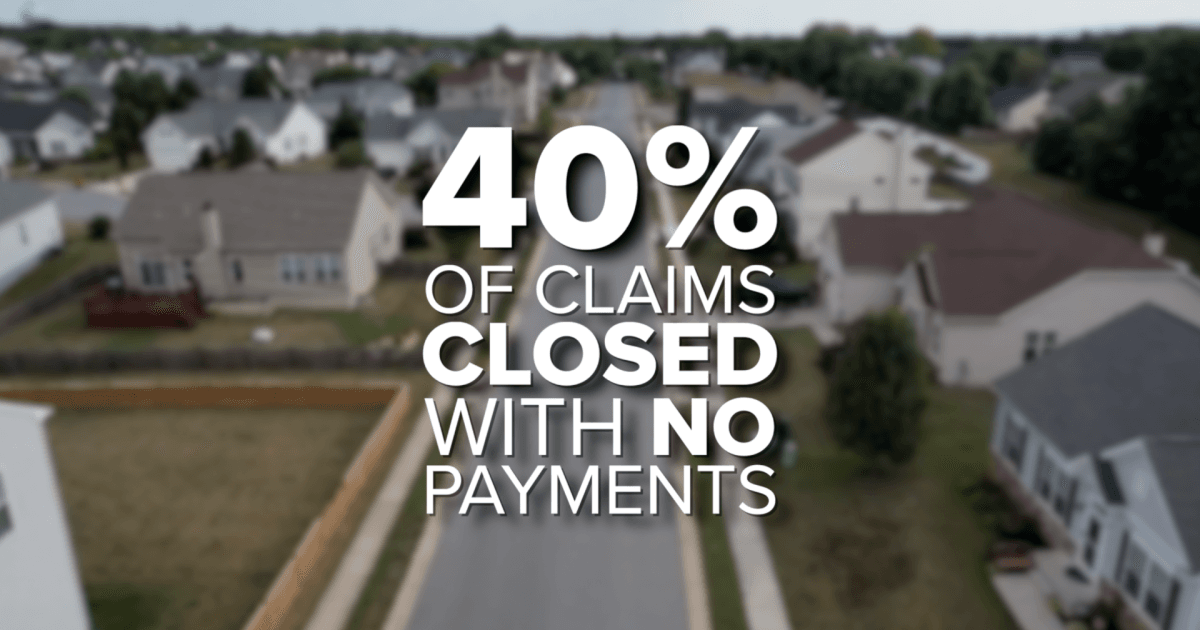
Florida homeowners are facing some of the highest insurance premiums in the nation, with average costs now topping $5,800 per year—about $3,000 above the U.S. average. Many residents report their rates have doubled or even tripled, while more than 40 percent of claims are closed with no payment. As frustration grows, state lawmakers and consumer advocates are pushing for transparency, rate caps, and incentives to help storm‑proof homes. The outcome of these reform efforts could reshape Florida’s real estate market, insurance landscape, and affordability for years to come.

Are Insurance Leaders Stuck in Silos? New Global Study Exposes a Hidden Weakness in Decision‑Making

A new global study from Risk.net and SAS reveals that many insurance companies are still making key decisions in isolated silos, despite industry-wide pushes toward data-driven strategies. While most leaders claim to have a clear vision, 38 percent admit they lack a real-time view of risks, revenue and costs. With poor data quality, limited collaboration and outdated processes holding teams back, experts say the industry is poised for a major transformation through AI, analytics and unified strategy—offering lessons for professionals across insurance, real estate, finance and other regulated fields.

Atlanta Housing Market Outlook 2025–2026: Stability, Rising Inventory, and What It Means for You

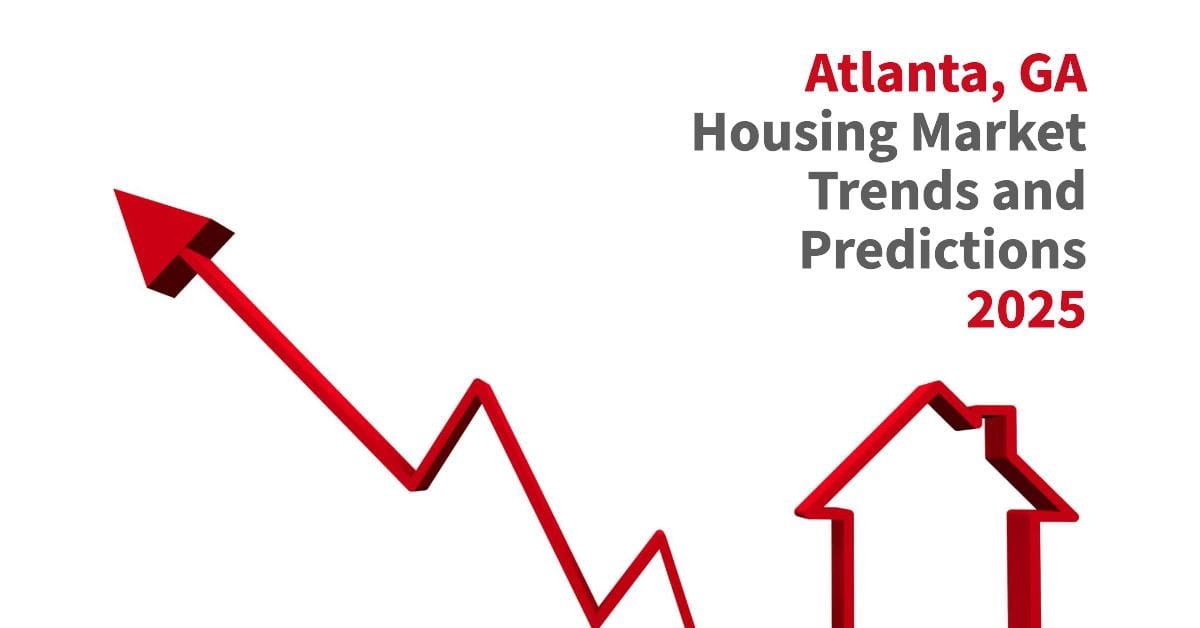
Atlanta’s housing market is shifting into a more balanced and predictable phase. Prices have leveled off, inventory has finally caught up, and mortgage rates are easing enough to bring buyers back into the game. With steady demand, growing listings, and only mild price corrections forecasted into 2026, Atlanta remains one of the Southeast’s strongest real estate markets for buyers, sellers, and investors alike.