In an era where technology is rapidly evolving, Microsoft has taken significant strides in transforming the employee experience to adapt to the hybrid work environment. This transformation is not just about leveraging technology, but also about enhancing the overall work culture and physical spaces to foster inclusivity and productivity.
Back in 2017, Microsoft transitioned from a traditional IT organization to a more forward-thinking entity, focusing on the employee experience alongside technological advancements. This shift was driven by the goal of making employees more productive and connected, especially as hybrid work became the norm in 2020 due to the COVID-19 pandemic.
Key to this transformation has been the integration of Microsoft Azure cloud solutions and significant investments in artificial intelligence to enhance IT infrastructure, employee experiences, and corporate functions. Notably, Microsoft has deployed AI-driven solutions like Microsoft 365 Copilot, which boosts employee productivity by automating tasks such as email composition and meeting summarization.
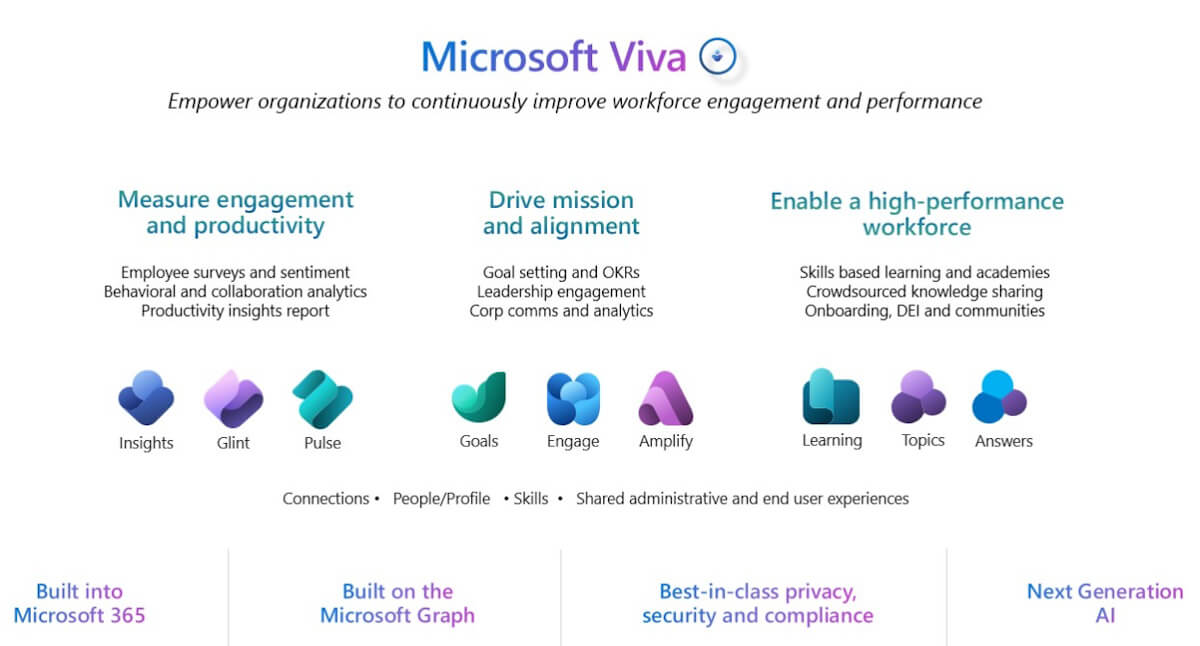
The launch of Microsoft Viva addressed the hybrid work paradox, offering a platform for employee connection and well-being while also catering to evolving business performance needs. The company’s emphasis on a Zero Trust security model ensures that corporate assets are protected, providing secure and productive employee experiences across devices and applications.
Physically, Microsoft is transforming its facilities to align with digital advancements, ensuring that technology is seamlessly integrated with workplace environments. In partnership with real estate teams, Microsoft has introduced smart buildings powered by Azure Digital Twins and IoT devices.
To drive effective adoption of these innovations, Microsoft employs robust change management practices, empowering employees to leverage new tools and technologies seamlessly. The organization recognizes change management’s crucial role in ensuring that digital transformation investments translate to increased engagement, productivity, and connectivity.
As the era of generative AI progresses, Microsoft continues to explore how AI can unlock further creativity and productivity within its workforce, urging companies to embrace AI as a tool to stay competitive.
By consistently reimagining both virtual and physical spaces, Microsoft endeavors to create an environment where both the organization and its people can thrive amidst the challenges and opportunities of hybrid work and AI advancements.
Getting licensed or staying ahead in your career can be a journey—but it doesn’t have to be overwhelming. Grab your favorite coffee or tea, take a moment to relax, and browse through our articles. Whether you’re just starting out or renewing your expertise, we’ve got tips, insights, and advice to keep you moving forward. Here’s to your success—one sip and one step at a time!
"Mortgage applications decrease" amid rise in fixed-rate mortgages, detailed in a report by the Mortgage Bankers Association. The report also explores ARM's role, refinance and purchase applications, and increases in Federal Housing Administration loans for a comprehensive industry view.
"Exploring the potential of AI and Web3 technologies in real estate at Cameron Academy, we provide courses equipped to simplify complex transactions and streamline real estate operations. By leveraging AI, agents can handle increasing complexities, optimizing productivity for the future of real estate."
One of the major driving forces is the job market recovery in these states. As the pandemic impact gradually subsides, these states have not merely recovered the jobs lost during the crisis but have seen a substantial 5% increase in employment opportunities.
"Achieving financial freedom often requires unconventional actions, including making seemingly suboptimal portfolio decisions. At Cameron Academy, we provide courses that guide you through such bold decisions, focusing on creating reliable income and not just wealth accumulation."
Discover the "Fannie Mae’s new prefund QC requirements" and understand the importance of quality control strategies in loan lending. Navigate loan repurchase requests from Fannie Mae effectively with our varied courses at Cameron Academy. Explore the potential of third-party QC firms for prefund requirements.
One of the key characteristics that sets early education property investment apart is the prevalence of long-term leases. These leases provide security for both the tenant and the landlord, substantially reducing the risk of vacancy.