In an era where technology is rapidly evolving, Microsoft has taken significant strides in transforming the employee experience to adapt to the hybrid work environment. This transformation is not just about leveraging technology, but also about enhancing the overall work culture and physical spaces to foster inclusivity and productivity.
Back in 2017, Microsoft transitioned from a traditional IT organization to a more forward-thinking entity, focusing on the employee experience alongside technological advancements. This shift was driven by the goal of making employees more productive and connected, especially as hybrid work became the norm in 2020 due to the COVID-19 pandemic.
Key to this transformation has been the integration of Microsoft Azure cloud solutions and significant investments in artificial intelligence to enhance IT infrastructure, employee experiences, and corporate functions. Notably, Microsoft has deployed AI-driven solutions like Microsoft 365 Copilot, which boosts employee productivity by automating tasks such as email composition and meeting summarization.
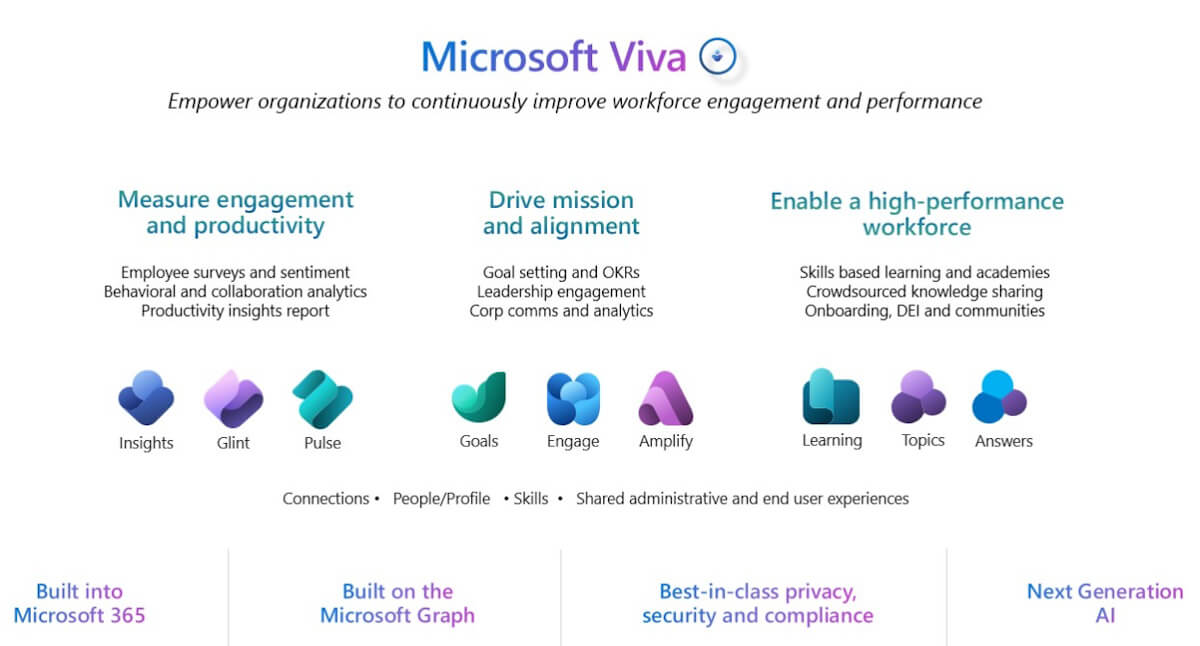
The launch of Microsoft Viva addressed the hybrid work paradox, offering a platform for employee connection and well-being while also catering to evolving business performance needs. The company’s emphasis on a Zero Trust security model ensures that corporate assets are protected, providing secure and productive employee experiences across devices and applications.
Physically, Microsoft is transforming its facilities to align with digital advancements, ensuring that technology is seamlessly integrated with workplace environments. In partnership with real estate teams, Microsoft has introduced smart buildings powered by Azure Digital Twins and IoT devices.
To drive effective adoption of these innovations, Microsoft employs robust change management practices, empowering employees to leverage new tools and technologies seamlessly. The organization recognizes change management’s crucial role in ensuring that digital transformation investments translate to increased engagement, productivity, and connectivity.
As the era of generative AI progresses, Microsoft continues to explore how AI can unlock further creativity and productivity within its workforce, urging companies to embrace AI as a tool to stay competitive.
By consistently reimagining both virtual and physical spaces, Microsoft endeavors to create an environment where both the organization and its people can thrive amidst the challenges and opportunities of hybrid work and AI advancements.
Getting licensed or staying ahead in your career can be a journey—but it doesn’t have to be overwhelming. Grab your favorite coffee or tea, take a moment to relax, and browse through our articles. Whether you’re just starting out or renewing your expertise, we’ve got tips, insights, and advice to keep you moving forward. Here’s to your success—one sip and one step at a time!
Florida now holds the highest foreclosure rate in the country, and Tampa sits at the center of the surge. With one in every 1,373 homes facing foreclosure, skyrocketing insurance premiums, rising housing costs and reduced equity are pushing many homeowners—especially those who purchased between 2020 and 2023—into financial distress. While some experts view the spike as a market “normalization,” professionals in real estate and finance are watching closely as Tampa’s backlog clears and pressure continues to build across the state.
Two former 3M campuses in Northwest Austin are set for a dramatic rebirth as Karlin Real Estate pushes forward with plans for Highpoint 2222 and the Duval site. The vision includes office and lab space, up to 65,000 square feet of retail, more than 1,200 multifamily homes, and new green space. With over 500 residents weighing in through the 2222 Coalition of Neighborhood Associations, traffic, density, and environmental protections are shaping the final blueprint. As office demand cools, mixed‑use development is becoming the new normal—positioning this corridor for one of the biggest transformations Austin has seen in years.
Despite constant headlines about a “housing crisis,” many economists and industry professionals argue the reality is more nuanced. In many regions, the issue isn’t a lack of homes but a mismatch between what’s available and what buyers want or can afford. As demographic shifts and remote work reshape demand, the market is evolving—not collapsing—creating opportunities for real estate, mortgage, insurance, and finance professionals who understand the difference between perception and reality.
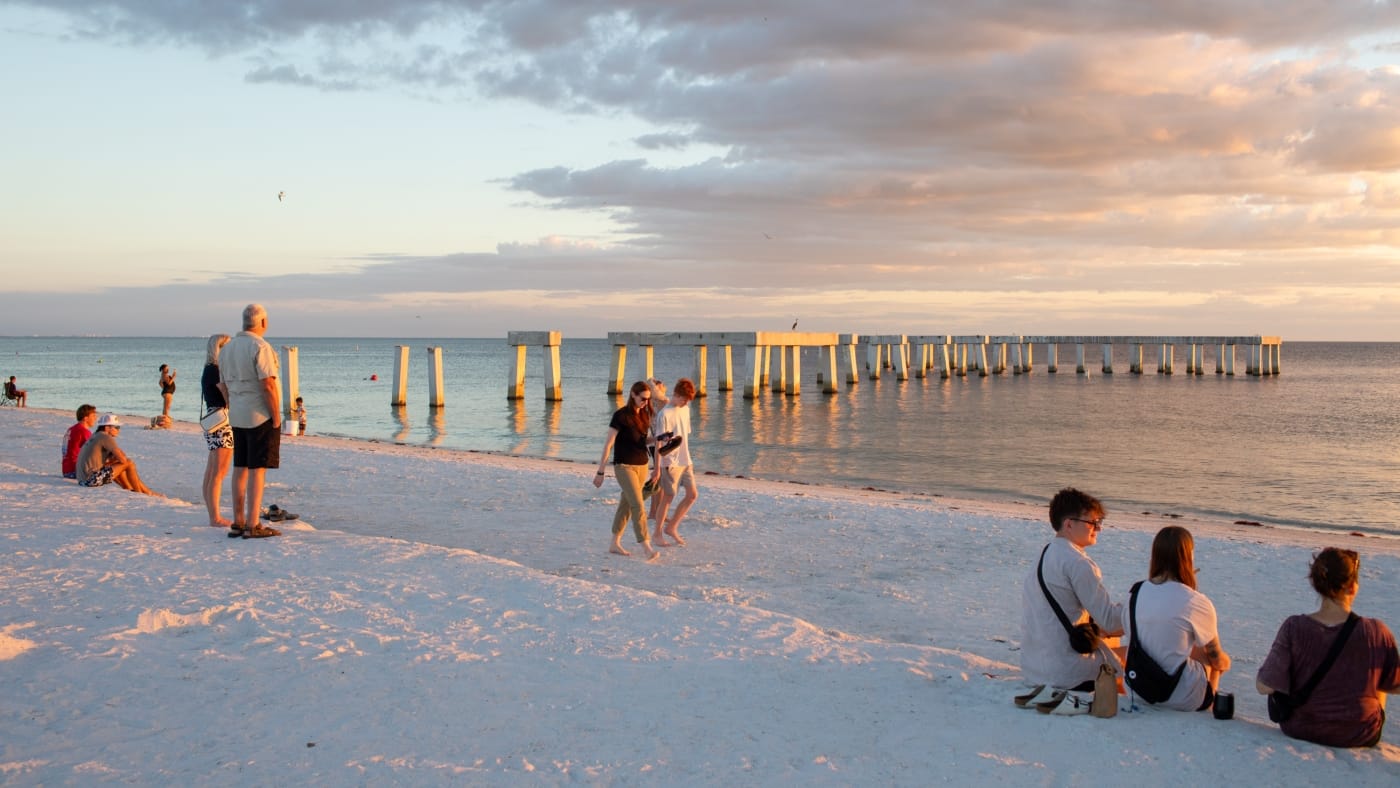
Hurricane Ian’s aftermath has exposed a growing affordability crisis across Southwest Florida. Skyrocketing insurance premiums, soaring construction costs, and rapid gentrification are making it harder for long‑time residents and middle‑class families to stay in their communities. From Fort Myers Beach to inland neighborhoods, homeowners, renters, and small businesses are feeling the pressure as rising costs reshape the region’s housing market and push many to reconsider their future in the state.
Florida’s home insurance market is facing its biggest credibility crisis in years. Despite major reforms meant to stabilize the system, homeowners are being pushed from Citizens into higher‑priced private insurers, many tied to companies that previously collapsed. Questionable financial ratings, high claim‑denial rates, and luxury‑level executive payouts are raising red flags across the state. For real estate and insurance professionals, this unstable landscape is reshaping home affordability, buyer confidence, and long‑term risk in Florida’s property market.
A new Michigan House bill aims to let licensed professionals complete all continuing education requirements online, offering greater flexibility for workers juggling rural travel, multiple jobs, or family demands. Supporters say the reform maintains high professional standards while removing unnecessary barriers, with regulators backing the shift and in‑person options remaining available.