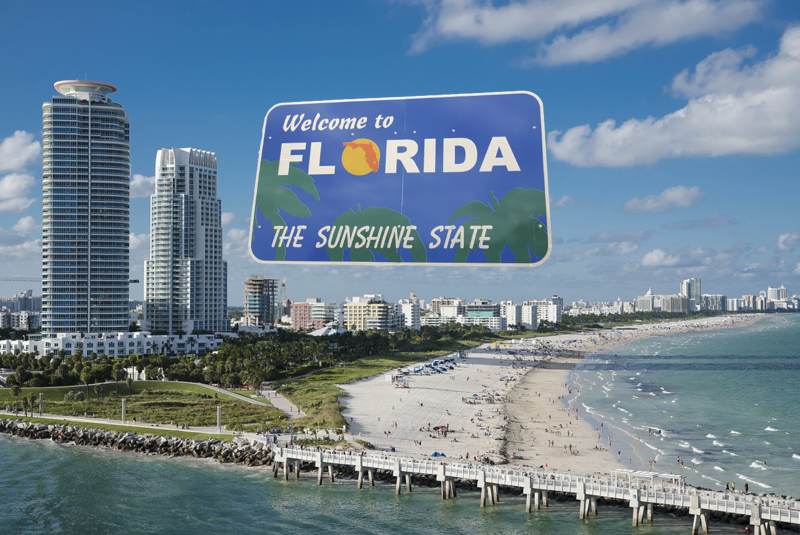
In a transformative era for U.S. cities, federal infrastructure funding opportunities, anchored by the Bipartisan Infrastructure Law (BIL) and the Inflation Reduction Act (IRA), promise to reshape urban landscapes for resilience, sustainability, and equity. As Urban Land Magazine highlights, these initiatives present a unique chance for real estate developers to play a pivotal role in accessing and deploying these funds to decarbonize buildings and enhance urban environments.
Unlocking Opportunities
With a staggering $394 billion earmarked over the next decade for decarbonization and clean energy conversion through the IRA, and at least $550 billion allocated for U.S. transportation networks via the BIL, the scale of potential impact is immense. As Urban Land Institute resources suggest, these funds could trigger urban resilience and sustainable outcomes.
Developers as Key Players
Real estate developers stand at the forefront of this movement, leveraging government funds to drive sustainability. The IRA’s tax incentives create a predictable environment for investments in green technologies, offering financial returns through reduced operating costs and increased property values. By strategically blending state, local, and federal funds, developers can achieve profitable outcomes while contributing to a healthier planet.
Public-Private Synergies
The synergy between public investments and private real estate initiatives can manifest significant community benefits. For instance, public investments in highway conversions that enhance walkability and access to green spaces may unlock opportunities for adjacent real estate development. Such collaborations promise cleaner air, more opportunities for community engagement with nature, and overall resilience.
Case Studies in Action
Examples like the Washington, DC region’s National Landing and Tallahassee’s Southside Transit Center illustrate the transformative potential of these synergistic infrastructure projects. In Tallahassee, a $15 million RAISE grant is already spurring adjacent infrastructure improvements and affordable housing developments, showcasing the power of strategic federal investments.
Navigating Federal Funding
To access these opportunities, developers must navigate a complex landscape of federal grants and tax incentives. Resources like Grants.gov provide searchable lists of funding opportunities, while professional guidance on tax implications can help maximize benefits.
Conclusion
As Urban Land Magazine emphasizes, the strategic utilization of federal funding enables developers to mold resilient communities. With comprehensive insights into available programs and benefits, developers are encouraged to proactively participate in federal opportunities for sustainable development outcomes. Stay informed with Urban Land Magazine for future articles elaborating on specific funding ventures.


More Articles

Getting licensed or staying ahead in your career can be a journey—but it doesn’t have to be overwhelming. Grab your favorite coffee or tea, take a moment to relax, and browse through our articles. Whether you’re just starting out or renewing your expertise, we’ve got tips, insights, and advice to keep you moving forward. Here’s to your success—one sip and one step at a time!

Florida’s Insurance Market Finally Stabilizes After Years of Crisis, Says State Commissioner

At the 2025 Florida Chamber Insurance Summit, Insurance Commissioner Mike Yaworsky announced that Florida’s long‑volatile insurance market has at last regained stability. After a decade marked by runaway litigation, inflated claims, and insurer exits, the sweeping tort and insurance reforms passed in 2022 and 2023 have reversed the decline. Litigation has fallen to pre‑2019 levels, new carriers and reinsurers are entering the state, and consumers now have more options than they’ve seen in years. Yaworsky cautioned, however, that rolling back these reforms would undo the progress and impose massive costs on Floridians.

Driving With an Expired License in 2025: What Professionals Need to Know Before Hitting the Road

Driving with an expired license is illegal in nearly every state, and in 2025 the consequences are more serious than most people realize. From fines and potential jail time to denied insurance claims and professional repercussions, even a simple lapse can create a ripple effect—especially for licensed professionals in real estate, insurance, mortgage, and finance. This quick morning read breaks down the real penalties, why professionals should pay attention, and how to renew your license before it becomes a costly mistake.

Talking to Your Photos: Chat‑Based AI Is Quietly Transforming Real Estate Listings

A new wave of chat‑based AI tools is reshaping how quickly real estate professionals can prepare and enhance listing photos. By simply describing changes—like brightening a kitchen, removing clutter, or fully staging a room—agents and property managers can produce high‑impact images in minutes. This technology not only speeds up market readiness but also boosts renter and buyer engagement by presenting spaces at their full potential from the very first glance.

Staying Ahead of the Curve: The Rental Market Trends That Will Define 2026

The rental market is gearing up for major shifts in 2026, from rising compliance demands and surging insurance costs to the rapid adoption of AI‑powered property management tools. Tenants’ expectations are evolving just as quickly, pushing owners to deliver lifestyle‑driven communities rather than simple lease agreements. Investors and operators who embrace technology, stay ahead of regulatory changes and prioritize renter experience will be best positioned to thrive in the coming year.

The AI Revolution in Real Estate: How Technology Is Reshaping the Industry

Artificial intelligence is transforming real estate at lightning speed, turning days of manual work into minutes of automated insight. With the AI real estate market projected to soar from $222.65B in 2024 to over $975B by 2029, professionals who understand this technology now will lead the industry tomorrow. From smarter valuations to automated workflows and predictive analytics, AI is redefining how agents, investors, and property managers operate—making today the perfect time to embrace the tools shaping the future of real estate.

The Human Connection Real Estate Will Always Need in an AI‑Driven Future

As AI takes over the repetitive tasks that slow agents down, industry expert Matt Britton says the future of real estate belongs to professionals who combine intelligent automation with irreplaceable human trust. Speaking to thousands at NAR NXT 2025, Britton emphasized that the next wave of success will come from agents who embrace AI workflows while doubling down on what technology can’t replicate: empathy, creativity, and meaningful client relationships.