Transforming Urban Landscapes: The Push for Zoning Reform to Expand Affordable Housing


Recent developments have spotlighted a critical issue in urban America: the housing affordability crisis. With over 45 million U.S. households renting, many face severe financial strains due to high rental costs. The Center for American Progress’s report delves into potential solutions through local land-use reforms aimed at alleviating these pressures.
The study reveals daunting statistics—nearly 11.2 million households spend over half their income on rent. This housing cost burden signals an urgent need for comprehensive strategies to ease financial pressures on renters and potential homeowners alike. The current housing market challenges, driven by historical zoning ordinances that limit affordable options, point to a reform path that could significantly alter the landscape.
Local Land Use Reform as a Key Solution
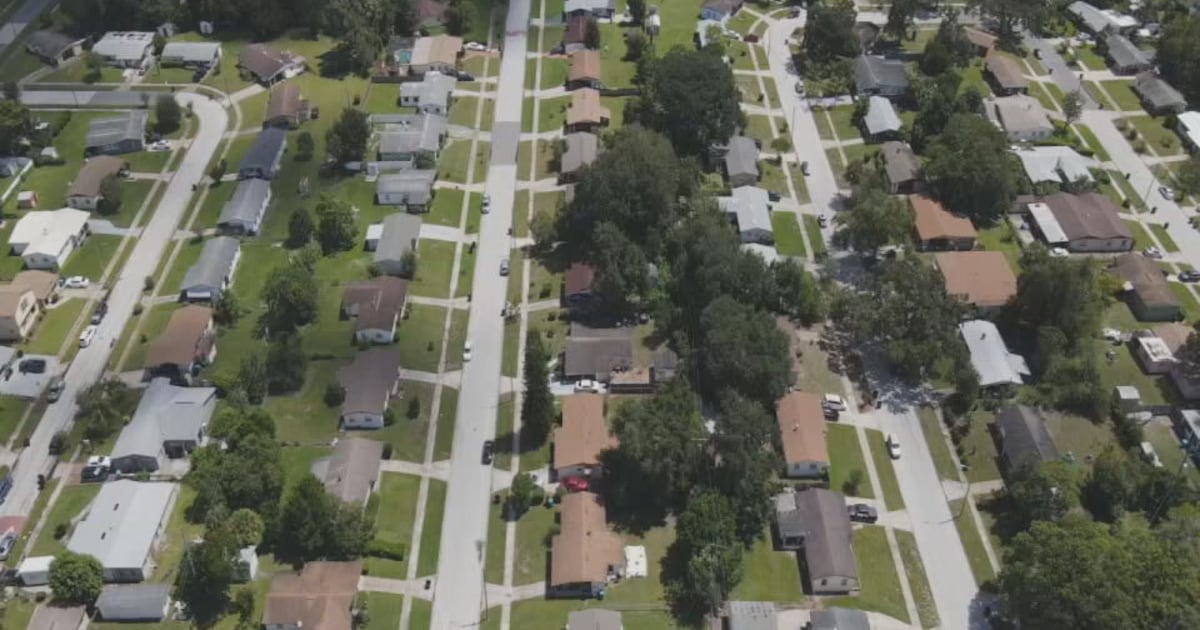
The push for reforming zoning laws focuses on expanding the supply of affordable housing by revisiting and updating restrictive local policies. Traditional zoning practices have long favored single-family homes, inadvertently fostering exclusion and driving up housing costs. By transitioning to more inclusive zoning codes, communities can potentially unlock a diverse range of housing solutions—without the reliance on federal or state subsidies.
Federal Initiatives and Grassroots Movements
The federal government’s proposed Building Opportunity program could be pivotal, offering financial incentives to jurisdictions that commit to significant zoning reforms. These reforms promise to open high-frequency transit corridors and urban areas to a variety of housing types, thus promoting greater accessibility and affordability.
Cities like Minneapolis and states including Florida have already spearheaded initiatives to reduce zoning constraints, signaling a promising trend towards more affordable urban living solutions. The city eliminated parking mandates and expanded zoning to allow multifamily units, significantly transforming its housing landscape.
Conclusion: A Path Forward
This surge in regulatory reform is gaining momentum, evidenced by grassroots actions and the backing of federal incentives. As local governments begin dismantling barriers to affordable housing, the vision of a more inclusive and economically vibrant urban future becomes increasingly attainable.
The ongoing conversation highlights the vital role of reforms in realizing equitable growth and alleviating the housing crisis that has gripped communities nationwide. As the Center for American Progress notes, these initiatives not only build opportunity but also play a central role in mitigating deep-rooted inequalities in housing availability and affordability.
For more insights, read the full article on Building Opportunity: Expanding Housing in America by Reforming Local Land Use.

More Articles

Getting licensed or staying ahead in your career can be a journey—but it doesn’t have to be overwhelming. Grab your favorite coffee or tea, take a moment to relax, and browse through our articles. Whether you’re just starting out or renewing your expertise, we’ve got tips, insights, and advice to keep you moving forward. Here’s to your success—one sip and one step at a time!

Florida Homeowners Finally Get a Break as Insurance Rates Begin to Drop

After years of soaring premiums and insurer instability, Florida’s property insurance market is finally turning a corner. Major carriers have filed 83 requests for rate decreases heading into 2026, with companies like Florida Peninsula and Patriot Select proposing cuts of 8.4% and 11.3%. Some homeowners may see relief as early as next month, signaling a long‑awaited shift toward market stability.

The Fix-and-Flip Comeback: Why 2026 Is Poised to Be a Breakout Year for Investors

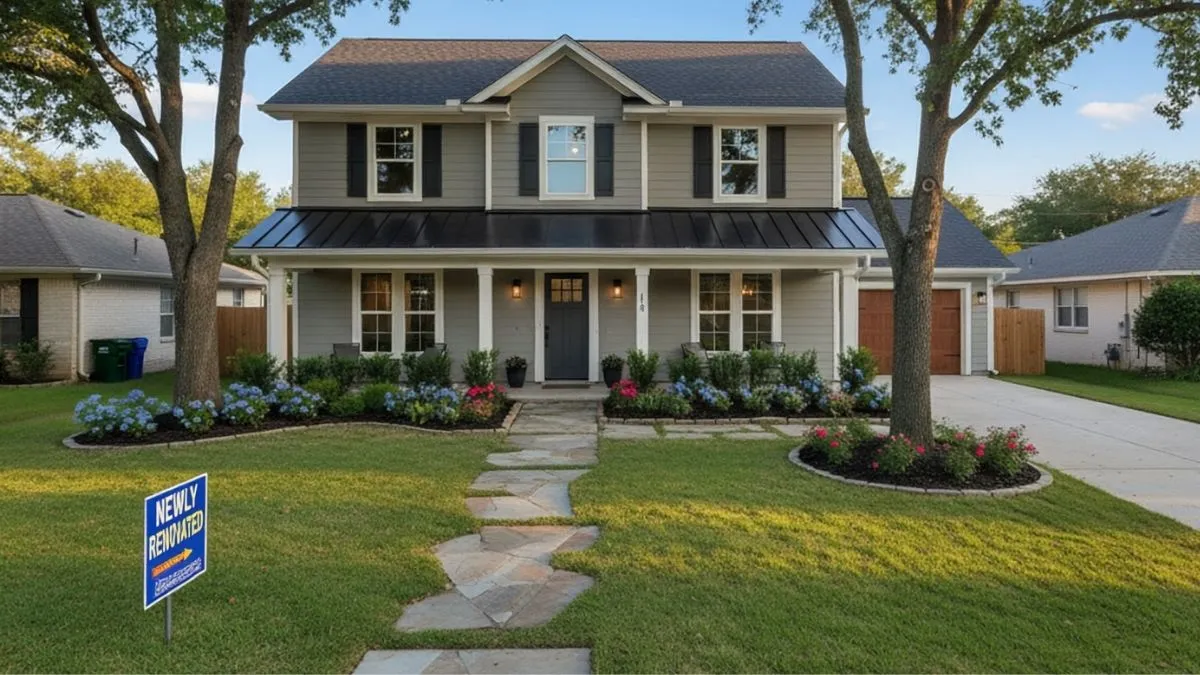
Fix-and-flip investing is gearing up for one of its strongest years in a decade as 2026 approaches. With cheaper capital, more accessible funding, easing interest rates, and long-awaited increases in housing inventory, investors are finding the perfect environment to launch or scale renovation-based real estate businesses. Renovation continues to outpace new construction in cost and speed, and demand for move-in-ready homes remains high, making 2026 a powerful opportunity window for both new and experienced investors.

Falling Rents Today, Rising Pressures Tomorrow: A 2026 Rental Squeeze Is on the Horizon

After a short-lived period of relief in 2025, the U.S. rental market may be headed for a tighter, more expensive 2026. With construction starts dropping nearly 11% and completions plunging 42%, the surge of new apartments that helped lower rents is rapidly drying up. Rising costs, shrinking inventory, and a slowdown in new development point to a potential rental crunch that could leave renters facing heavier competition and higher prices across major markets next year.

The Biggest Opportunity in Real Estate Since 2008

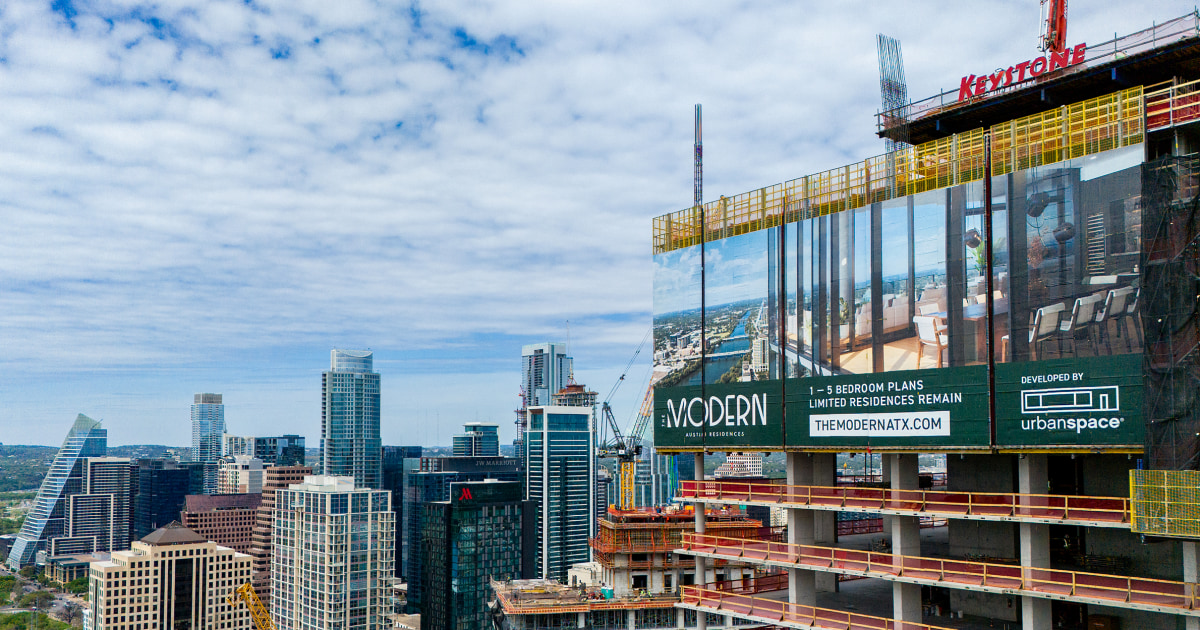
The commercial real estate market is entering a rare reset that experts say mirrors the post‑2008 boom, creating a potential window for disciplined investors. With trillions in commercial debt coming due and property values dropping up to 40%, firms like AARE are positioning themselves to acquire assets below replacement cost—an advantage that could set the stage for significant long‑term growth.

Six for 2026: The Commercial Real Estate Shifts Already Reshaping the U.S.

Commercial real estate is entering a reinvention phase, with AI‑driven productivity, modernized office demand, experience‑focused retail, expanding industrial logistics, creative housing solutions, and sustainability‑centered design all accelerating nationwide. These six forces are shaping how investors, brokers, and future licensees will operate in a rapidly evolving U.S. market.

2026 Becomes the Turning Point: Innovation, Stability, and Upward Mobility Return

After years of economic uncertainty and cautious decision‑making, 2026 is shaping up to be the year professionals finally catch a break. AI is moving from buzzword to essential tool, capital markets are beginning to thaw, and hiring is picking up across real estate, mortgage, insurance, finance, and healthcare. With opportunity returning, many professionals are using this moment to upskill—pursuing new licenses, certifications, and cross‑industry expertise.