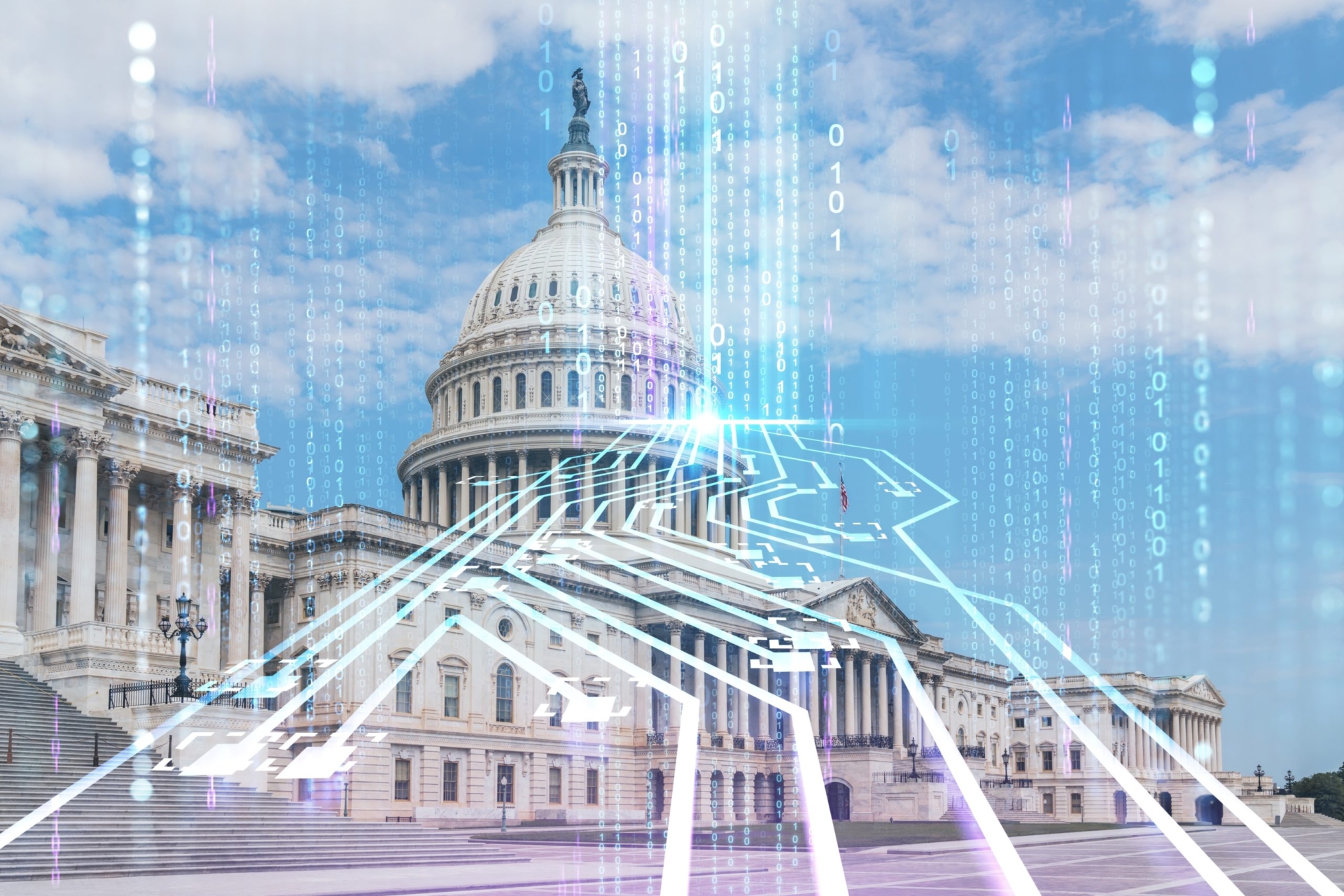
In an unprecedented move, the Trump administration has issued a directive requiring every state and local school leader to recommit to Title VI of the Civil Rights Act. This directive, which aims to prevent race-based discrimination in federally funded programs, has left many school leaders across the nation in a state of confusion and concern. The administration’s demand comes with a stark warning: failure to comply could result in the loss of federal funding, including grants intended for low-income students.

David Law, the incoming president of The School Superintendents Association and superintendent of Minnetonka Public Schools in Minnesota, expressed bewilderment over the directive. “The confusion is this has never happened before. We already don’t allow discrimination,” he stated. Law’s sentiment echoes the broader uncertainty felt by school administrators who are questioning the necessity of such a recertification.

The Trump administration’s directive has sparked a wave of responses from states, with some pushing back against what they perceive as an overreach of federal authority. New York was the first state to publicly challenge the directive, asserting in a letter to the Department of Education that it was “unaware of any authority” the federal government has to enforce such recertification. States like Minnesota, Illinois, and Wisconsin have followed suit, questioning the legality and necessity of the federal demands.

Meanwhile, the directive’s implications for Diversity, Equity, and Inclusion (DEI) programs have further complicated the situation. The administration argues that DEI initiatives violate civil rights laws, yet fails to clearly define these violations. This ambiguity has left school leaders like David Law in a quandary, as the definition of DEI varies widely among communities.

As the April 24 deadline for recertification looms, the directive has prompted legal challenges, including a lawsuit filed by education groups and one of the nation’s largest teachers’ unions. The lawsuit has temporarily extended the recertification deadline, providing some respite for school leaders grappling with the directive’s demands.

In response to the directive, states are adopting varied approaches. Vermont, for instance, has submitted a single certification on behalf of all its school districts, while Republican-led states like Missouri and Montana are considering similar measures. Conversely, states such as New Hampshire and Idaho have advised their school districts to individually certify compliance.

The directive has also raised questions about its legal standing. Julie Underwood, a former School of Education dean at the University of Wisconsin-Madison and an expert in civil rights and education law, expressed skepticism, stating, “I have never seen anything like it during my 40 years of work in this field.”

While the legality of the directive remains under scrutiny, its impact on educators is palpable. Teachers have reported feeling watched and are exercising caution in their teaching methods, fearing potential investigations related to DEI.

As the debate over the directive continues, the fast-changing guidance from the Department of Education is causing anxiety among school communities. David Law warns that such demands are diverting educators from their primary mission: ensuring that every student feels engaged, connected, and has a sense of belonging.

For more information and to explore the original article, please visit NPR’s coverage.

More Articles

Getting licensed or staying ahead in your career can be a journey—but it doesn’t have to be overwhelming. Grab your favorite coffee or tea, take a moment to relax, and browse through our articles. Whether you’re just starting out or renewing your expertise, we’ve got tips, insights, and advice to keep you moving forward. Here’s to your success—one sip and one step at a time!

Berlin-based Aignostics Secures €31.4 Million Series B Funding

In a significant stride for precision medicine, Aignostics, a pioneering artificial intelligence company, has announced the successful closure of a €31.4 million Series B funding round.

AI in Health Care: Opportunities and Challenges Ahead

In a world where technology is rapidly reshaping industries, the intersection of artificial intelligence (AI) and health care stands as a beacon of transformative potential. The Bipartisan Policy Center (BPC), a nonprofit organization dedicated to fostering bipartisan solutions, has recently addressed this critical synergy, emphasizing both the opportunities and challenges that lie ahead.

By |November 3, 2024|Categories: Article, Artificial Intelligence (AI), Health Care|Tags: , |0 Comments

Top 7 Construction Industry Trends in 2024

As we step into 2024, the construction industry is navigating a complex landscape marked by both challenges and opportunities. Labor shortages and supply chain disruptions continue to pose significant hurdles. Yet, there are bright spots on the horizon, with environmentally responsible projects and AI-driven innovations leading the charge.

AI in Healthcare: Pioneering Precision Health at Northeastern University

"If AI is working the way that we envision it, you actually won’t notice a lot of direct impact," says Sam Scarpino, the AI+Life Sciences director at Northeastern University. The vision is for AI to operate quietly in the background, much like a well-oiled engine, enhancing the efficiency of medical processes and enabling earlier detection of diseases, such as cancer.

U.S. Department of Transportation Unveils Roadmap for V2X Technology

The U.S. Department of Transportation has released a comprehensive plan to accelerate the rollout of this transformative technology across American roads. V2X technology allows cars and trucks to exchange critical information such as speed, position, and road conditions with each other and with road infrastructure. This system is designed to prevent collisions and reduce the impact of crashes, potentially saving thousands of lives annually.

Unveiling the Genetic Secrets: Groundbreaking Study on Rare Diseases in Germany

In a groundbreaking effort to unravel the mysteries of rare diseases, a recent Germany-wide study has leveraged cutting-edge genetic diagnostics to make significant strides in understanding these elusive conditions.

By |November 2, 2024|Categories: Article, Health, Technology|Tags: , |0 Comments