“`html

In an unexpected move that stirred a whirlwind of confusion across the nation, the Trump administration issued a memo late Monday night ordering a temporary freeze on funding for a wide array of federal programs. This directive, targeting approximately 2,600 initiatives, sent shockwaves through federal agencies and various organizations reliant on government support, including states, schools, hospitals, and other nonprofits.

The memo, which was temporarily blocked by a federal judge just as it was about to take effect, was accompanied by a spreadsheet listing the programs under scrutiny. This list spanned virtually every federal initiative distributing funds, even touching on programs like Medicare, which officials claimed would remain unaffected.

The administration’s intent, as articulated in the memo, is to ensure that these programs do not “advance Marxist equity, transgenderism, and Green New Deal social engineering policies.” Agencies have been tasked with answering probing questions about each budget line, including whether a program promotes gender ideology.

While the administration has assured that direct payments to Americans are not at risk, the list includes numerous programs that indirectly support millions of individuals, such as Medicaid and Head Start. These programs typically receive funding as grants to states, local governments, or nonprofits. On Tuesday, some recipients began reporting interruptions in funding.

The comprehensive sweep of federal initiatives, even extending to interest payments on the federal debt, has raised questions about whether the spreadsheet reflects mere oversights and contradictions or the administration’s broader ambitions. The programs identified, alongside their 2024 annual spending estimates, highlight the extensive reach of the federal government into American life.

Impact and Reactions

As the situation unfolds, the ramifications of this funding freeze remain uncertain. The New York Times has documented the ongoing developments, providing insights into the administration’s actions and the potential consequences for affected programs. For more detailed coverage, you can refer to the original article here.


“`

More Articles

Getting licensed or staying ahead in your career can be a journey—but it doesn’t have to be overwhelming. Grab your favorite coffee or tea, take a moment to relax, and browse through our articles. Whether you’re just starting out or renewing your expertise, we’ve got tips, insights, and advice to keep you moving forward. Here’s to your success—one sip and one step at a time!

Judge Blocks Class Status in Major Commission Lawsuit, Shaking Up the Real Estate Industry

A federal judge has denied class‑certification in the high‑stakes Batton commission lawsuit, delivering a temporary win for NAR and major brokerages while leaving the door open for plaintiffs to try again. With as much as $3.6 billion in potential damages on the line and nearly 80% of the proposed class now disqualified due to conflicts with earlier settlements, the case stands at a pivotal moment. Real estate professionals nationwide — especially in Florida — should watch closely, as the ruling could shape the future of buyer‑agent compensation.

Florida Homeowners Hit Hard by Skyrocketing Insurance Rates as Lawmakers Race Toward Reform

Florida homeowners are paying nearly double the national average for insurance, with premiums now reaching $5,838 a year and denied claims topping 40 percent. Residents report tripled rates, underpaid claims, and mounting financial strain, pushing lawmakers in Tallahassee to propose caps on rate hikes, tax breaks for storm‑proof upgrades, and tighter oversight of insurers. These developments are reshaping real estate and insurance conversations across the state as professionals brace for major industry shifts.

Inside Berkshire County’s Surging 2025 Real Estate Market: Q3 Deep Dive

Berkshire County closed Q3 2025 with strong momentum as sales, dollar volume, and buyer competition all climbed year‑over‑year. Inventory showed slight improvement but remains far below demand, keeping the market tilted toward sellers. Single‑family homes and condos led the surge, while multifamily, land, and commercial sectors showed mixed performance. The region continues to stand out as one of New England’s most resilient real estate markets heading into 2026.

Florida Homeowners Are Reaching a Breaking Point as Insurance Costs Skyrocket

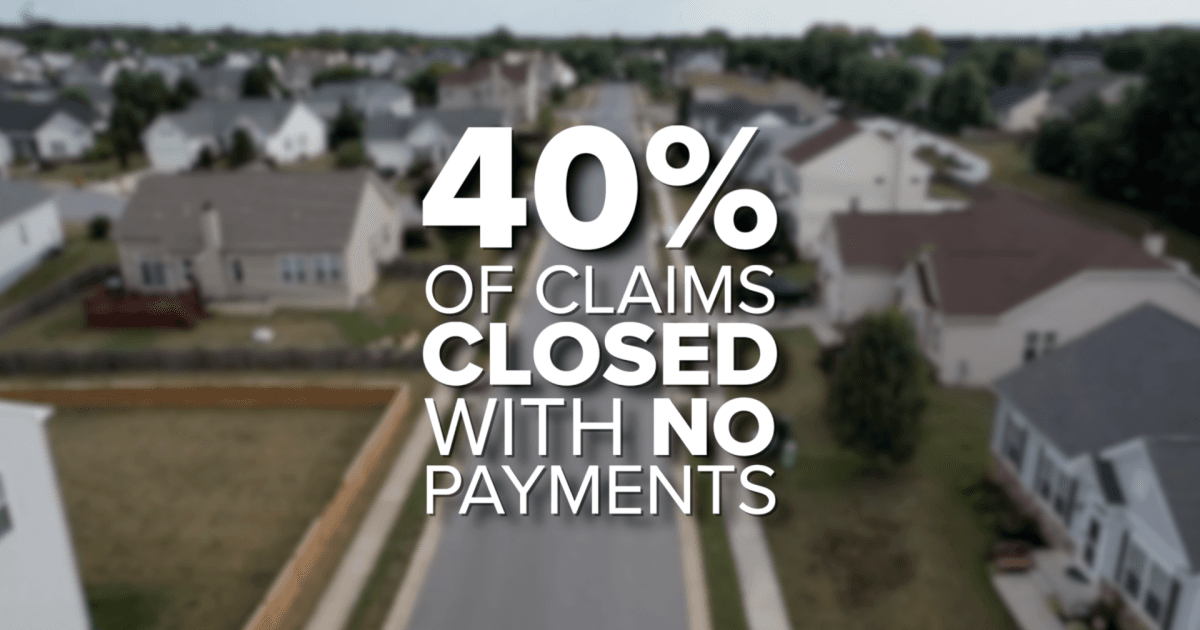
Florida homeowners now face the highest insurance burdens in the nation, with average premiums topping $5,800 per year—roughly $3,000 above the national average. As rates triple for some residents, more Floridians are skipping coverage altogether, while denied claims and slow payouts add to the frustration. With over 40 percent of claims closing with no payment and lawmakers battling over reform in Tallahassee, the crisis is reshaping budgets, homebuying decisions, and the real estate industry statewide.

How Global Investors Are Rewriting the Real Estate Playbook for 2026

Global capital is surging back into real estate—and this time, investors want more control. Colliers’ 2026 Global Investor Outlook reveals a major shift toward direct investments, joint ventures, and hands‑on strategies as money moves across North America, Europe, and the booming Asia‑Pacific markets. Data centers are now the top‑funded asset class, offices are staging a comeback, and adaptive reuse is reshaping cities worldwide. For real estate and finance professionals, the message is clear: opportunity is accelerating, and those with the right education and licensing will be at the center of the action.

Why Lower Interest Rates Still Aren’t Saving Commercial Real Estate

The Fed’s recent rate cuts should have offered relief to commercial real estate—but long-term borrowing costs haven’t budged. While short‑term rates are falling, stubborn long‑term yields, broken deal math, and a trillion‑dollar refinancing wave are keeping the market frozen. For investors and professionals across Florida and the nation, understanding this disconnect is key to navigating the opportunities and risks emerging in today’s shifting CRE landscape.