Trump Predicts Major Mortgage Rate Drop in 2026: What It Really Means for Homebuyers and Professionals
Your morning coffee just got a big splash of real estate intrigue. During a recent White House speech, President Trump declared that mortgage rates will fall “a lot lower” by early 2026 — a bold prediction that instantly sparked conversation among buyers, sellers, agents, lenders, and economic analysts nationwide.
The original report — published by The Truth About Mortgage — dives into the meaning behind the president’s comments and whether current data supports the optimism. According to the source, Trump pointed out that the annual cost of a typical new mortgage rose $15,000 under Democratic leadership, but has dropped by about $3,000 since he returned to office. He hinted that rates will continue falling, teasing “shocking” numbers on the horizon.
Are Mortgage Rates Really Dropping This Fast?
The current 30‑year fixed mortgage rate sits around 6.25%, down from roughly 7.25% earlier this year. That’s solid movement — though not quite “shocking.” For the dramatic drop Trump suggests to become reality, the economy would likely need to show signs of cooling: slower job growth, higher unemployment, or inflation dipping sharply.
Mortgage rates rarely fall without underlying catalysts. Typically, major declines follow:
Weak or softening economic indicators
Improving inflation trends
Narrower spreads between mortgage‑backed securities and Treasuries
Increased MBS purchasing from agencies like Fannie Mae and Freddie Mac
Interestingly, The Truth About Mortgage highlights that while none of these conditions guarantee a rapid drop, they could align in 2026, especially as markets respond to upcoming policy shifts.
A New Fed Chair Could Shake Things Up
Trump also vowed to install a Federal Reserve chair who “believes in lower interest rates by a lot.” Although this made headlines, it’s important to understand the distinction: the Fed does not directly control long‑term mortgage rates. They influence short‑term borrowing costs, but mortgages track long‑term bond yields.
Still, expectations around the Fed heavily influence the bond market. If economic conditions justify lower yields, mortgage rates can follow — but the underlying data must support such movement. Policy alone can’t force rates down.
So… Should Real Estate and Mortgage Pros Prepare?
Here’s the encouraging news: independent forecasts already project mortgage rates drifting into the mid‑5% range by 2026, even without dramatic political intervention. That’s a far more favorable environment for buyers, sellers, lenders, and agents alike.
For real estate agents — especially those navigating Florida’s fast‑changing markets — staying informed about rate cycles is a strategic advantage. Understanding how rate movements shape buyer urgency and affordability can dramatically elevate your performance and value to clients.
And if you’re earning your license, advancing your skills, or knocking out CE credits, Cameron Academy remains a trusted partner for real estate, mortgage, and professional licensing education across all 50 states — helping you stay ahead no matter which direction rates swing.
Read the Full Original Breakdown
Ready to explore the deeper economic context and Trump’s full remarks? Visit the original article by The Truth About Mortgage:
Read the full story here.
More Articles
Getting licensed or staying ahead in your career can be a journey—but it doesn’t have to be overwhelming. Grab your favorite coffee or tea, take a moment to relax, and browse through our articles. Whether you’re just starting out or renewing your expertise, we’ve got tips, insights, and advice to keep you moving forward. Here’s to your success—one sip and one step at a time!
Despite billions poured into proptech and a decade of flashy digital upgrades, the real estate experience remains largely unchanged. Apps made processes smoother, but not more transparent — because the industry’s core structures, data control and power dynamics stayed the same. True disruption will come from platforms that shift information and control to consumers, not just digitize outdated systems.
Early 2026 is delivering a clear message: commercial real estate is entering a recalibration phase. Construction is softening, pending home sales just saw a sharp drop, consumer sentiment is inching upward but remains fragile, and capital markets are tightening as major CRE sectors face rising distress. From data centers powering ahead to CMBS foreclosures climbing and office-to-residential conversions gaining momentum, professionals across real estate, mortgage, insurance, and finance need to stay sharp as the industry shifts.
Discover the real estate roles earning the biggest paychecks in 2026. From investment consultants to commercial leasing managers, this breakdown highlights the salaries, responsibilities, and career paths offering the strongest financial potential in today’s evolving market—perfect for newcomers and seasoned professionals mapping their next big move.
Montana is taking major steps to remove outdated licensing barriers and strengthen its workforce. Governor Greg Gianforte has created a new Licensing Reform Task Force aimed at modernizing regulations, speeding up approvals, and helping more professionals enter high‑demand fields like construction and healthcare. With licensing numbers doubling over the past decade and rural communities facing critical shortages, the state is pushing for faster, more efficient pathways to work. The task force begins meeting in February and will deliver its full reform report by September 2026 — a move that could influence licensing modernization efforts nationwide.
Artificial intelligence has officially moved from novelty to necessity in the real estate world. According to new industry data, 97% of brokerage leaders say their agents now rely on AI tools for everything from listing descriptions to full-scale marketing campaigns. As adoption skyrockets, so do concerns over training, accuracy, and compliance — especially among smaller firms. The message is clear: for today’s real estate professionals, AI literacy isn’t optional anymore.
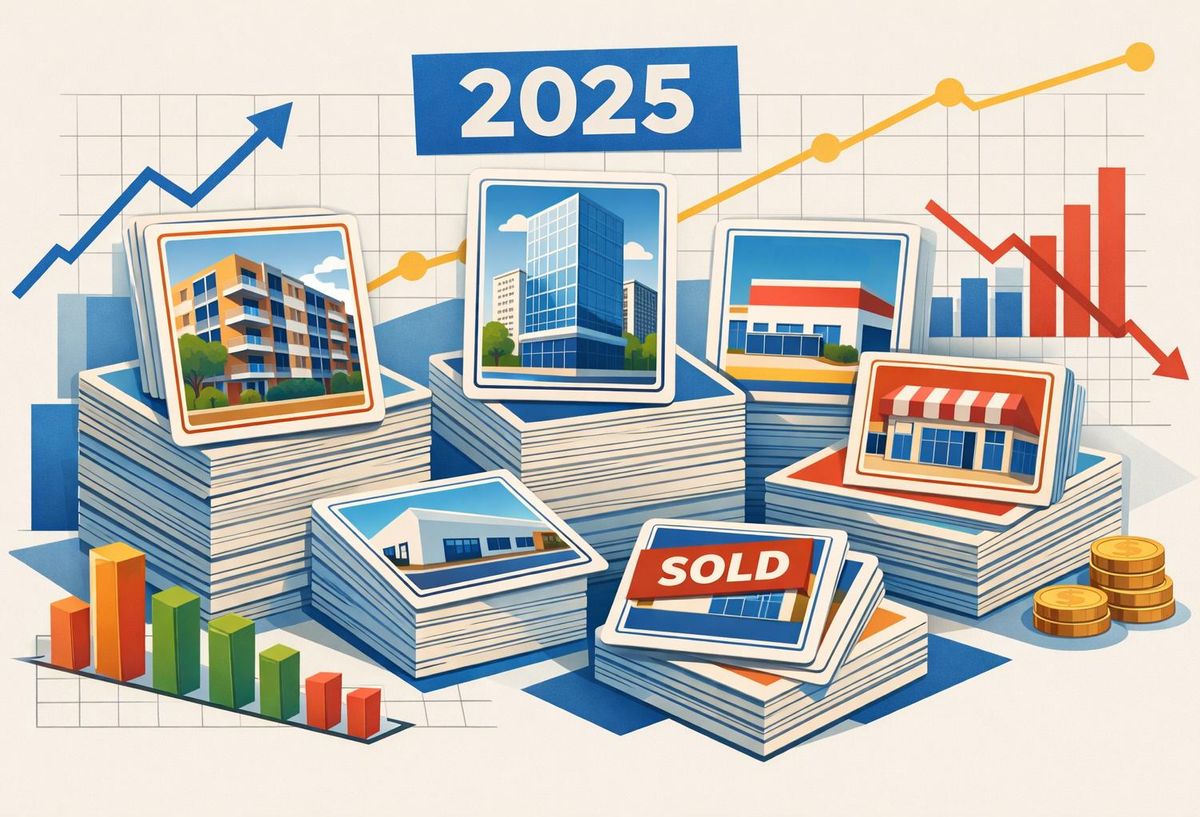
Commercial real estate roared back to life in 2025, with more than $255B pouring into multifamily, industrial, office and retail assets. Major investors moved fast on falling interest rates, improving bond yields and rising confidence across sectors. Multifamily dominated with over $115B in deals, industrial surged under private equity leadership, office saw renewed activity from owner-users and retail proved surprisingly resilient. For today’s real estate and finance professionals, the message is clear: opportunity favors those who stay informed and ready to act.