Trump Predicts Major Mortgage Rate Drop in 2026: What It Really Means for Homebuyers and Professionals
Your morning coffee just got a big splash of real estate intrigue. During a recent White House speech, President Trump declared that mortgage rates will fall “a lot lower” by early 2026 — a bold prediction that instantly sparked conversation among buyers, sellers, agents, lenders, and economic analysts nationwide.
The original report — published by The Truth About Mortgage — dives into the meaning behind the president’s comments and whether current data supports the optimism. According to the source, Trump pointed out that the annual cost of a typical new mortgage rose $15,000 under Democratic leadership, but has dropped by about $3,000 since he returned to office. He hinted that rates will continue falling, teasing “shocking” numbers on the horizon.
Are Mortgage Rates Really Dropping This Fast?
The current 30‑year fixed mortgage rate sits around 6.25%, down from roughly 7.25% earlier this year. That’s solid movement — though not quite “shocking.” For the dramatic drop Trump suggests to become reality, the economy would likely need to show signs of cooling: slower job growth, higher unemployment, or inflation dipping sharply.
Mortgage rates rarely fall without underlying catalysts. Typically, major declines follow:
Weak or softening economic indicators
Improving inflation trends
Narrower spreads between mortgage‑backed securities and Treasuries
Increased MBS purchasing from agencies like Fannie Mae and Freddie Mac
Interestingly, The Truth About Mortgage highlights that while none of these conditions guarantee a rapid drop, they could align in 2026, especially as markets respond to upcoming policy shifts.
A New Fed Chair Could Shake Things Up
Trump also vowed to install a Federal Reserve chair who “believes in lower interest rates by a lot.” Although this made headlines, it’s important to understand the distinction: the Fed does not directly control long‑term mortgage rates. They influence short‑term borrowing costs, but mortgages track long‑term bond yields.
Still, expectations around the Fed heavily influence the bond market. If economic conditions justify lower yields, mortgage rates can follow — but the underlying data must support such movement. Policy alone can’t force rates down.
So… Should Real Estate and Mortgage Pros Prepare?
Here’s the encouraging news: independent forecasts already project mortgage rates drifting into the mid‑5% range by 2026, even without dramatic political intervention. That’s a far more favorable environment for buyers, sellers, lenders, and agents alike.
For real estate agents — especially those navigating Florida’s fast‑changing markets — staying informed about rate cycles is a strategic advantage. Understanding how rate movements shape buyer urgency and affordability can dramatically elevate your performance and value to clients.
And if you’re earning your license, advancing your skills, or knocking out CE credits, Cameron Academy remains a trusted partner for real estate, mortgage, and professional licensing education across all 50 states — helping you stay ahead no matter which direction rates swing.
Read the Full Original Breakdown
Ready to explore the deeper economic context and Trump’s full remarks? Visit the original article by The Truth About Mortgage:
Read the full story here.
More Articles
Getting licensed or staying ahead in your career can be a journey—but it doesn’t have to be overwhelming. Grab your favorite coffee or tea, take a moment to relax, and browse through our articles. Whether you’re just starting out or renewing your expertise, we’ve got tips, insights, and advice to keep you moving forward. Here’s to your success—one sip and one step at a time!
The title insurance industry is entering 2026 with a renewed focus on technology, operational efficiency, and stronger agent support after years of volatility. Leaders from major underwriters report rising transaction activity, improved affordability, and a surge in automation and fraud‑prevention tools—signs that smarter systems and better training will define the next wave of growth.
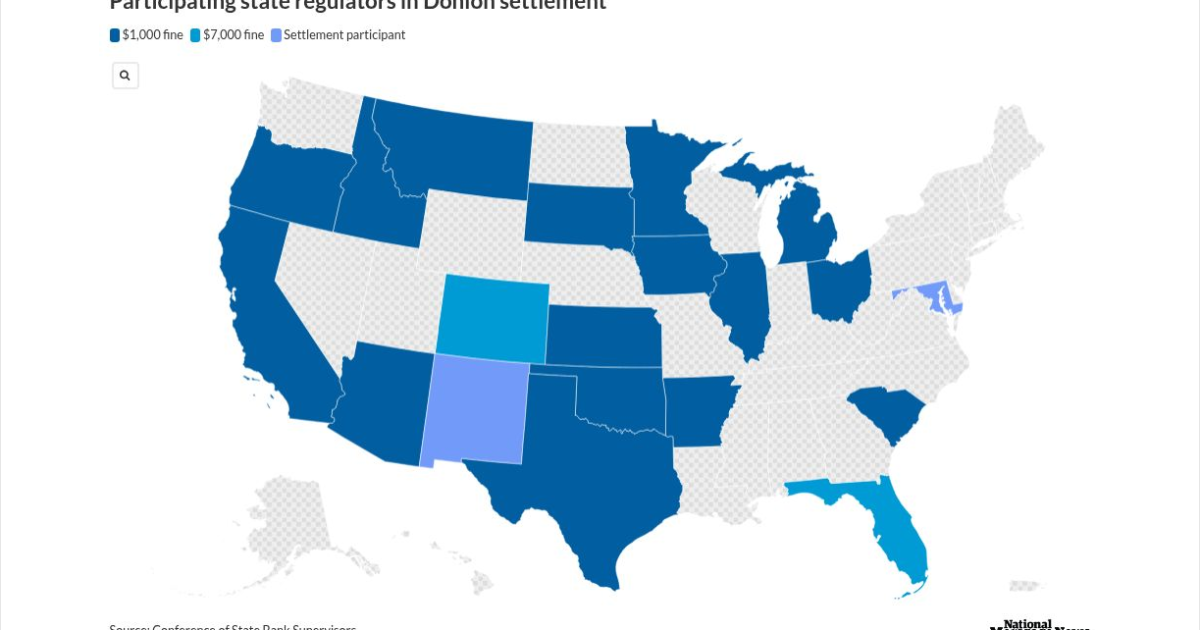
A multistate crackdown has sent shockwaves through the mortgage industry as Patrick Terrance Donlon, CEO of Trusted American Mortgage, accepted a sweeping settlement that bans him from working as a mortgage loan originator in 21 states—19 of them permanently. Regulators say Donlon had another individual complete his mandatory licensing and continuing‑education courses, a violation that triggered a coordinated investigation and a $31,000 penalty. The case underscores regulators’ growing intolerance for education fraud and serves as a sharp reminder to industry professionals: cutting corners on licensing can end careers.
Florida’s once‑booming housing market is cooling fast as rising insurance premiums, increasing foreclosures, and expanding flood zones push buyers to back out of deals and force sellers to cut prices. With insurance now adding thousands to annual housing costs, professionals across real estate, mortgage, and insurance are navigating a dramatically shifting landscape that’s redefining affordability in the Sunshine State.
Florida begins 2026 with a wave of more than 250 new laws now in effect, impacting healthcare, insurance, real estate, and consumer protections statewide. From free breast cancer screenings for state employees to tighter pet insurance regulations, mandatory healthcare refund rules, enhanced animal‑cruelty penalties, and new condo‑management requirements, these updates carry major implications for professionals navigating Florida’s evolving regulatory landscape.
Florida’s barrier islands may offer postcard-perfect beaches and soaring real estate demand, but they’re also some of the most fragile and costly places to build in the United States. With 765,000 residents living on land that shifts, sinks, and takes the brunt of every major hurricane, the financial and insurance risks are accelerating fast. From billion‑dollar beach rebuilds to towers settling into the sand, today’s coastal development challenges are reshaping conversations around property values, disclosure, and long‑term resilience. For real estate professionals, understanding these risks isn’t just smart — it’s becoming essential.
A Cedar City development is turning heads with its fresh approach to affordability. The team behind Temple View Commons is delivering luxury‑inspired twin homes at prices below the local median by using a small, hands‑on staff and cutting traditional costs like realtor commissions. In a tight Utah housing market where inventory is scarce and prices remain high, their strategy offers a realistic path to homeownership without sacrificing high‑end finishes.


 Title Insurance Leaders Double Down on Tech and Efficiency to Drive 2026 Market Momentum Gallery