Trump Predicts Major Mortgage Rate Drop in 2026: What It Really Means for Homebuyers and Professionals
Your morning coffee just got a big splash of real estate intrigue. During a recent White House speech, President Trump declared that mortgage rates will fall “a lot lower” by early 2026 — a bold prediction that instantly sparked conversation among buyers, sellers, agents, lenders, and economic analysts nationwide.
The original report — published by The Truth About Mortgage — dives into the meaning behind the president’s comments and whether current data supports the optimism. According to the source, Trump pointed out that the annual cost of a typical new mortgage rose $15,000 under Democratic leadership, but has dropped by about $3,000 since he returned to office. He hinted that rates will continue falling, teasing “shocking” numbers on the horizon.
Are Mortgage Rates Really Dropping This Fast?
The current 30‑year fixed mortgage rate sits around 6.25%, down from roughly 7.25% earlier this year. That’s solid movement — though not quite “shocking.” For the dramatic drop Trump suggests to become reality, the economy would likely need to show signs of cooling: slower job growth, higher unemployment, or inflation dipping sharply.
Mortgage rates rarely fall without underlying catalysts. Typically, major declines follow:
Weak or softening economic indicators
Improving inflation trends
Narrower spreads between mortgage‑backed securities and Treasuries
Increased MBS purchasing from agencies like Fannie Mae and Freddie Mac
Interestingly, The Truth About Mortgage highlights that while none of these conditions guarantee a rapid drop, they could align in 2026, especially as markets respond to upcoming policy shifts.
A New Fed Chair Could Shake Things Up
Trump also vowed to install a Federal Reserve chair who “believes in lower interest rates by a lot.” Although this made headlines, it’s important to understand the distinction: the Fed does not directly control long‑term mortgage rates. They influence short‑term borrowing costs, but mortgages track long‑term bond yields.
Still, expectations around the Fed heavily influence the bond market. If economic conditions justify lower yields, mortgage rates can follow — but the underlying data must support such movement. Policy alone can’t force rates down.
So… Should Real Estate and Mortgage Pros Prepare?
Here’s the encouraging news: independent forecasts already project mortgage rates drifting into the mid‑5% range by 2026, even without dramatic political intervention. That’s a far more favorable environment for buyers, sellers, lenders, and agents alike.
For real estate agents — especially those navigating Florida’s fast‑changing markets — staying informed about rate cycles is a strategic advantage. Understanding how rate movements shape buyer urgency and affordability can dramatically elevate your performance and value to clients.
And if you’re earning your license, advancing your skills, or knocking out CE credits, Cameron Academy remains a trusted partner for real estate, mortgage, and professional licensing education across all 50 states — helping you stay ahead no matter which direction rates swing.
Read the Full Original Breakdown
Ready to explore the deeper economic context and Trump’s full remarks? Visit the original article by The Truth About Mortgage:
Read the full story here.
Select options
This product has multiple variants. The options may be chosen on the product page
Details
More Articles
Getting licensed or staying ahead in your career can be a journey—but it doesn’t have to be overwhelming. Grab your favorite coffee or tea, take a moment to relax, and browse through our articles. Whether you’re just starting out or renewing your expertise, we’ve got tips, insights, and advice to keep you moving forward. Here’s to your success—one sip and one step at a time!
While most people chase AI stocks or compete for high‑pressure tech jobs, the real opportunity may be unfolding in AI boomtown real estate. As companies like OpenAI, Anthropic, Microsoft, and NVIDIA mint new waves of wealthy workers, demand for housing in key cities is exploding. From San Francisco to Austin, AI‑driven markets are seeing rising rents, limited inventory, and buyers preparing for massive IPO windfalls. For real estate professionals—or anyone entering the field—this surge represents one of the strongest long‑term opportunities in the industry.
Florida is ending its 1 percent emergency insurance surcharge two years ahead of schedule, saving homeowners an estimated 650 million dollars through 2028. Thanks to a calm hurricane season, fewer insurer failures, and reduced lawsuits, officials say the state’s property insurance market is now in its strongest financial position in a decade. The change offers relief for homeowners and new momentum for Florida’s real estate industry, where lower insurance costs can boost buyer confidence and support smoother transactions.
A growing political push to block institutional investors from buying single-family homes may sound like a pro-homeowner policy, but the data shows it could do the opposite. Younger and racially diverse renters rely heavily on single-family rentals as an affordable, stable alternative to buying—yet restricting investor participation would shrink this supply, pushing many families into overcrowded housing, motels, or homelessness. The real issue isn’t who buys the homes, but that America doesn’t have enough of them.
Zillow’s 2026 Agent Trends Survey reveals a major shift in what agents value most: technology that reduces mental drain. Nearly half of agents now use AI tools daily, yet most still juggle multiple platforms that sap their focus. Zillow’s upcoming unified platform, Zillow Pro, aims to streamline workflows and cut cognitive load. The survey also highlights key industry trends, including buyer financial literacy gaps, the importance of relationships for lead generation and the growing need for tech fluency among both new and seasoned real estate professionals.
Florida’s housing market is still surging, with luxury enclaves like Lake Buena Vista, Jupiter Island, and Golden Beach seeing massive six‑figure price jumps in just one year. Smaller towns such as Old Town, Cross City, and Hosford also posted steady gains, proving demand is rising statewide. For real estate professionals, these trends highlight where buyers are moving, where inventory is tight, and where future opportunities lie—making market literacy an essential advantage for anyone pursuing or expanding a career in Florida real estate.
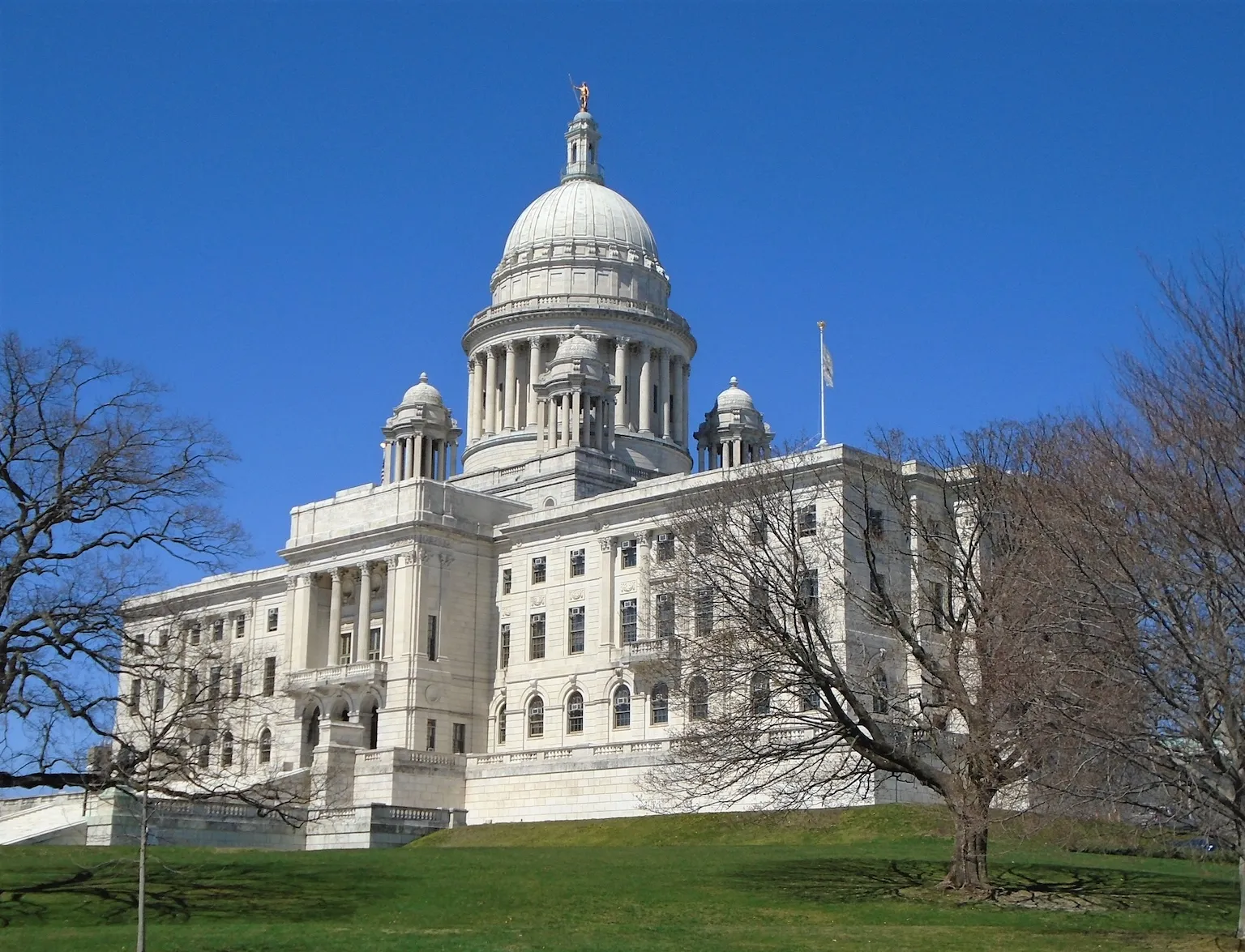
Rhode Island is launching its sixth major housing reform package, aiming to boost affordability through zoning updates, lot splits, code changes, and the revival of single room occupancy and co‑living housing. With the state still recovering from years of underbuilding and soaring home prices, lawmakers hope these reforms will unlock new supply, ease pressure on renters and buyers, and create fresh opportunities for real estate professionals.