Trump Predicts Major Mortgage Rate Drop in 2026: What It Really Means for Homebuyers and Professionals
Your morning coffee just got a big splash of real estate intrigue. During a recent White House speech, President Trump declared that mortgage rates will fall “a lot lower” by early 2026 — a bold prediction that instantly sparked conversation among buyers, sellers, agents, lenders, and economic analysts nationwide.
The original report — published by The Truth About Mortgage — dives into the meaning behind the president’s comments and whether current data supports the optimism. According to the source, Trump pointed out that the annual cost of a typical new mortgage rose $15,000 under Democratic leadership, but has dropped by about $3,000 since he returned to office. He hinted that rates will continue falling, teasing “shocking” numbers on the horizon.
Are Mortgage Rates Really Dropping This Fast?
The current 30‑year fixed mortgage rate sits around 6.25%, down from roughly 7.25% earlier this year. That’s solid movement — though not quite “shocking.” For the dramatic drop Trump suggests to become reality, the economy would likely need to show signs of cooling: slower job growth, higher unemployment, or inflation dipping sharply.
Mortgage rates rarely fall without underlying catalysts. Typically, major declines follow:
Weak or softening economic indicators
Improving inflation trends
Narrower spreads between mortgage‑backed securities and Treasuries
Increased MBS purchasing from agencies like Fannie Mae and Freddie Mac
Interestingly, The Truth About Mortgage highlights that while none of these conditions guarantee a rapid drop, they could align in 2026, especially as markets respond to upcoming policy shifts.
A New Fed Chair Could Shake Things Up
Trump also vowed to install a Federal Reserve chair who “believes in lower interest rates by a lot.” Although this made headlines, it’s important to understand the distinction: the Fed does not directly control long‑term mortgage rates. They influence short‑term borrowing costs, but mortgages track long‑term bond yields.
Still, expectations around the Fed heavily influence the bond market. If economic conditions justify lower yields, mortgage rates can follow — but the underlying data must support such movement. Policy alone can’t force rates down.
So… Should Real Estate and Mortgage Pros Prepare?
Here’s the encouraging news: independent forecasts already project mortgage rates drifting into the mid‑5% range by 2026, even without dramatic political intervention. That’s a far more favorable environment for buyers, sellers, lenders, and agents alike.
For real estate agents — especially those navigating Florida’s fast‑changing markets — staying informed about rate cycles is a strategic advantage. Understanding how rate movements shape buyer urgency and affordability can dramatically elevate your performance and value to clients.
And if you’re earning your license, advancing your skills, or knocking out CE credits, Cameron Academy remains a trusted partner for real estate, mortgage, and professional licensing education across all 50 states — helping you stay ahead no matter which direction rates swing.
Read the Full Original Breakdown
Ready to explore the deeper economic context and Trump’s full remarks? Visit the original article by The Truth About Mortgage:
Read the full story here.
More Articles
Getting licensed or staying ahead in your career can be a journey—but it doesn’t have to be overwhelming. Grab your favorite coffee or tea, take a moment to relax, and browse through our articles. Whether you’re just starting out or renewing your expertise, we’ve got tips, insights, and advice to keep you moving forward. Here’s to your success—one sip and one step at a time!
Skyrocketing insurance premiums and soaring rebuilding costs are transforming communities across Southwest Florida, especially in the wake of Hurricane Ian. As longtime residents struggle to keep up with rising financial pressure, wealthier newcomers and stricter building standards are reshaping the identity of places like Fort Myers Beach. With insurance rates now driving home sales, triggering potential foreclosures, and squeezing both owners and renters, Florida’s middle-class families face a growing question: can they afford to stay in the state they love?
Florida’s insurance industry is stabilizing fast, with nearly 1.6 million policies shifting from Citizens to private insurers and litigation dropping sharply. Regulators report stronger market confidence, decreasing premiums, and renewed competition—signaling one of the healthiest periods the state has seen in years.
A Leon County judge has ordered the restart of arbitration for Citizens Property Insurance claims, directly conflicting with a previous ruling that halted the process as potentially unconstitutional. With more than 400 cases now back in motion, real estate, insurance, and mortgage professionals can expect renewed activity in claim disputes and fresh uncertainty as Florida courts clash over the legality of Citizens’ arbitration system.
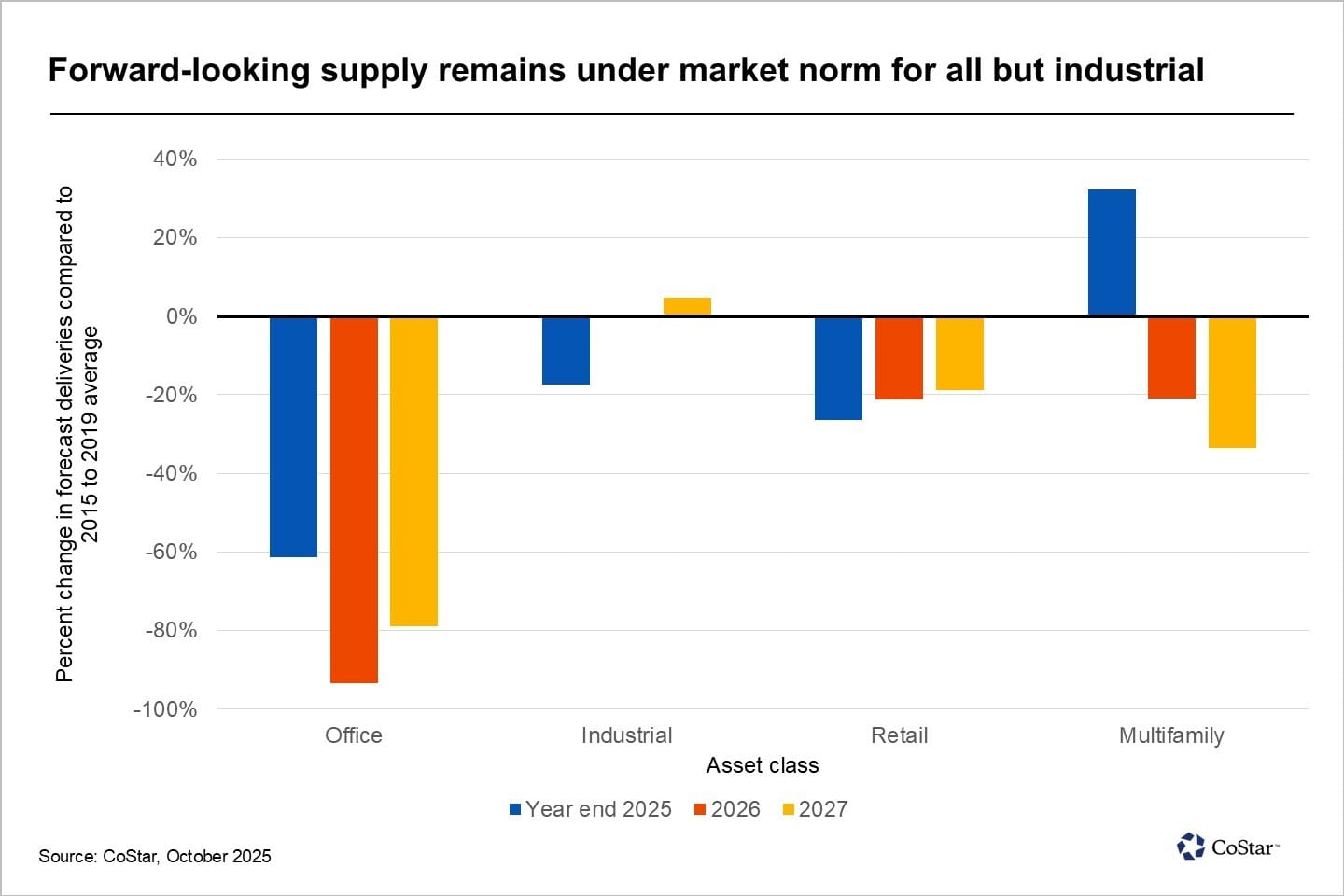
The DFW market is transitioning into a new construction phase marked by a slowdown in office development, a more selective approach to industrial projects, and an evolving housing landscape shaped by affordability and population growth. Developers are recalibrating their priorities, and for real estate professionals, understanding these shifts offers a critical edge in navigating—and capitalizing on—the next phase of the metroplex’s growth.
A new federal lawsuit claims Zillow pushed homebuyers toward Zillow Home Loans by rewarding affiliated agents with valuable leads — all without proper disclosure. The suit alleges undisclosed incentives, referral quotas, and potential RESPA violations, raising major concerns about steering, fiduciary duties, and Zillow’s expanding mortgage ambitions.
The mortgage industry is evolving fast, and the lenders who come out on top will be those who innovate without uprooting what already works. By building on strong technology foundations, streamlining workflows and adopting smart automation, lenders can reduce costs, improve customer experience and stay resilient in any market cycle. This article breaks down why innovation matters now, how a stable tech ecosystem protects lenders in volatile conditions and why small, strategic steps can drive long-term transformation.