Trump’s Tariff Tango: A Dance of Indecision

In a move that has become characteristic of his administration, President Donald Trump has once again altered his stance on tariffs, asserting that the August 1 deadline for the “Liberation Day” tariffs will be enforced. This comes after a series of contradictory statements, marking the 28th flip-flop in his tariff policy since the so-called “Liberation Day.”
Timeline of Flip-Flops
  • February 7: Trump initially proposed sweeping tariffs on foreign imports, aiming for reciprocal tariffs that match duties on American goods. (NY Times)
  • February 13: A memorandum was signed to rectify “non-reciprocal trade arrangements.” (White House)
  • March 26: The administration announced 25% tariffs on imported cars. (White House)

Impact and Criticism

The frequent policy shifts have not gone unnoticed, earning Trump the nickname “TACO Trump” on Wall Street, which stands for “Trump Always Chickens Out.” This moniker reflects the market’s perception of his unpredictable tariff strategies, which often cause fluctuations in investor confidence.
The original Forbes article by Alison Durkee provides a detailed breakdown of these 28 instances, highlighting the broader implications for the global economy and the legal challenges that have arisen from these policies.
Legal and Economic Repercussions The legality of Trump’s tariffs is under scrutiny, with courts ruling them unlawful. However, appeals have kept the tariffs in place pending further litigation. As the August 1 deadline approaches, speculation about future changes continues, with many countries hoping for more favorable terms.

Conclusion

President Trump’s tariff policies remain a contentious issue, characterized by inconsistency and unpredictability. As the world watches, the question remains whether further changes will occur before the looming deadline, impacting global trade dynamics.

More Articles

Getting licensed or staying ahead in your career can be a journey—but it doesn’t have to be overwhelming. Grab your favorite coffee or tea, take a moment to relax, and browse through our articles. Whether you’re just starting out or renewing your expertise, we’ve got tips, insights, and advice to keep you moving forward. Here’s to your success—one sip and one step at a time!

Artificial Intelligence in Diagnostics: A Revolution in Healthcare

The global market for artificial intelligence in diagnostics is poised for remarkable growth, with projections estimating it to reach USD 7.3 billion by 2032.

By |December 10, 2024|Categories: Article, Artificial Intelligence, Healthcare|Tags: , |0 Comments

Revolutionizing Medical Education with Extended Reality

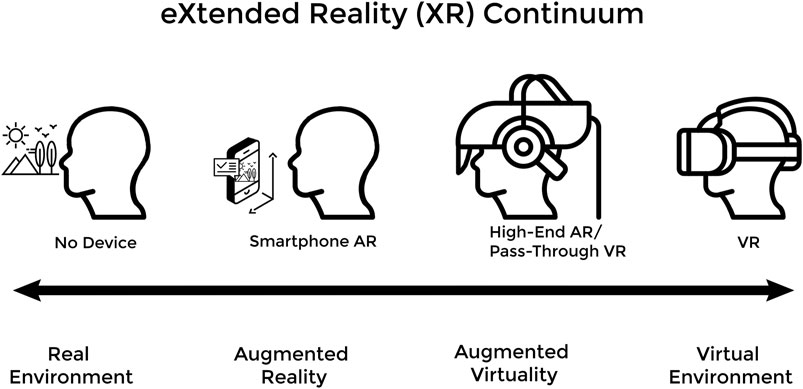
In the ever-evolving landscape of medical education, a new player has emerged, promising to revolutionize the way future doctors are trained. The integration of eXtended Reality (XR) technologies is reshaping the educational landscape by addressing the limitations of traditional methods.

Genetic Testing: A New Dawn in Healthcare

Genetic testing represents more than just a scientific advancement; it signifies a fundamental shift in how we approach health and wellness.

Sustainable Architecture: Blending Innovation with Ecological Responsibility

The journey toward sustainable architecture is ongoing, with each project serving as a beacon of what's achievable when creativity meets ecological awareness.

By |December 9, 2024|Categories: Architecture, Article, Sustainability|Tags: |0 Comments

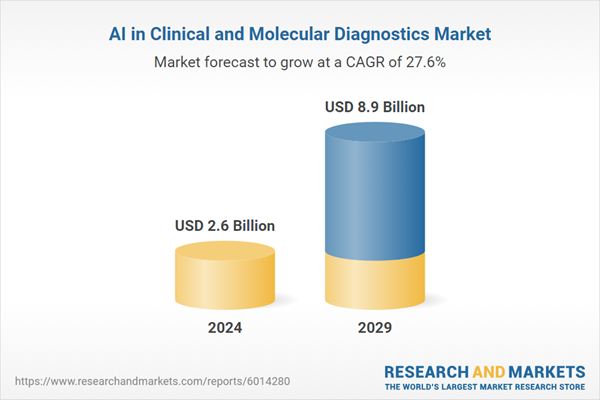
AI in Clinical and Molecular Diagnostics: A Market on the Rise

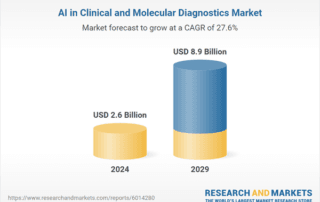
AI in Clinical and Molecular Diagnostics Market is set to experience remarkable growth, projected to surge from USD 2.6 billion in 2024 to USD 8.9 billion by 2029. This growth is driven by the integration of advanced AI technologies such as machine learning and deep learning into traditional diagnostic methodologies like imaging, genomics, and laboratory testing.

AI: A Revolution in Healthcare’s Future

AI is not a distant dream but a present reality, already integrated into everyday life through virtual assistants like Alexa and Siri. AI shows promise in enhancing medical accuracy, such as in predicting mesothelioma survival and improving colonoscopy accuracy, it is not intended to replace healthcare professionals.