Trump’s Tariff Tango: A Dance of Indecision

In a move that has become characteristic of his administration, President Donald Trump has once again altered his stance on tariffs, asserting that the August 1 deadline for the “Liberation Day” tariffs will be enforced. This comes after a series of contradictory statements, marking the 28th flip-flop in his tariff policy since the so-called “Liberation Day.”
Timeline of Flip-Flops
  • February 7: Trump initially proposed sweeping tariffs on foreign imports, aiming for reciprocal tariffs that match duties on American goods. (NY Times)
  • February 13: A memorandum was signed to rectify “non-reciprocal trade arrangements.” (White House)
  • March 26: The administration announced 25% tariffs on imported cars. (White House)

Impact and Criticism

The frequent policy shifts have not gone unnoticed, earning Trump the nickname “TACO Trump” on Wall Street, which stands for “Trump Always Chickens Out.” This moniker reflects the market’s perception of his unpredictable tariff strategies, which often cause fluctuations in investor confidence.
The original Forbes article by Alison Durkee provides a detailed breakdown of these 28 instances, highlighting the broader implications for the global economy and the legal challenges that have arisen from these policies.
Legal and Economic Repercussions The legality of Trump’s tariffs is under scrutiny, with courts ruling them unlawful. However, appeals have kept the tariffs in place pending further litigation. As the August 1 deadline approaches, speculation about future changes continues, with many countries hoping for more favorable terms.

Conclusion

President Trump’s tariff policies remain a contentious issue, characterized by inconsistency and unpredictability. As the world watches, the question remains whether further changes will occur before the looming deadline, impacting global trade dynamics.


More Articles

Getting licensed or staying ahead in your career can be a journey—but it doesn’t have to be overwhelming. Grab your favorite coffee or tea, take a moment to relax, and browse through our articles. Whether you’re just starting out or renewing your expertise, we’ve got tips, insights, and advice to keep you moving forward. Here’s to your success—one sip and one step at a time!

As Wildfire Season Intensifies, AI Becomes a Key Tool for Experts

With each passing year, the threat of wildfires looms larger, fueled by the relentless march of climate change. AI technologies are emerging as game-changers in wildfire detection and management, providing real-time identification and valuable insights.

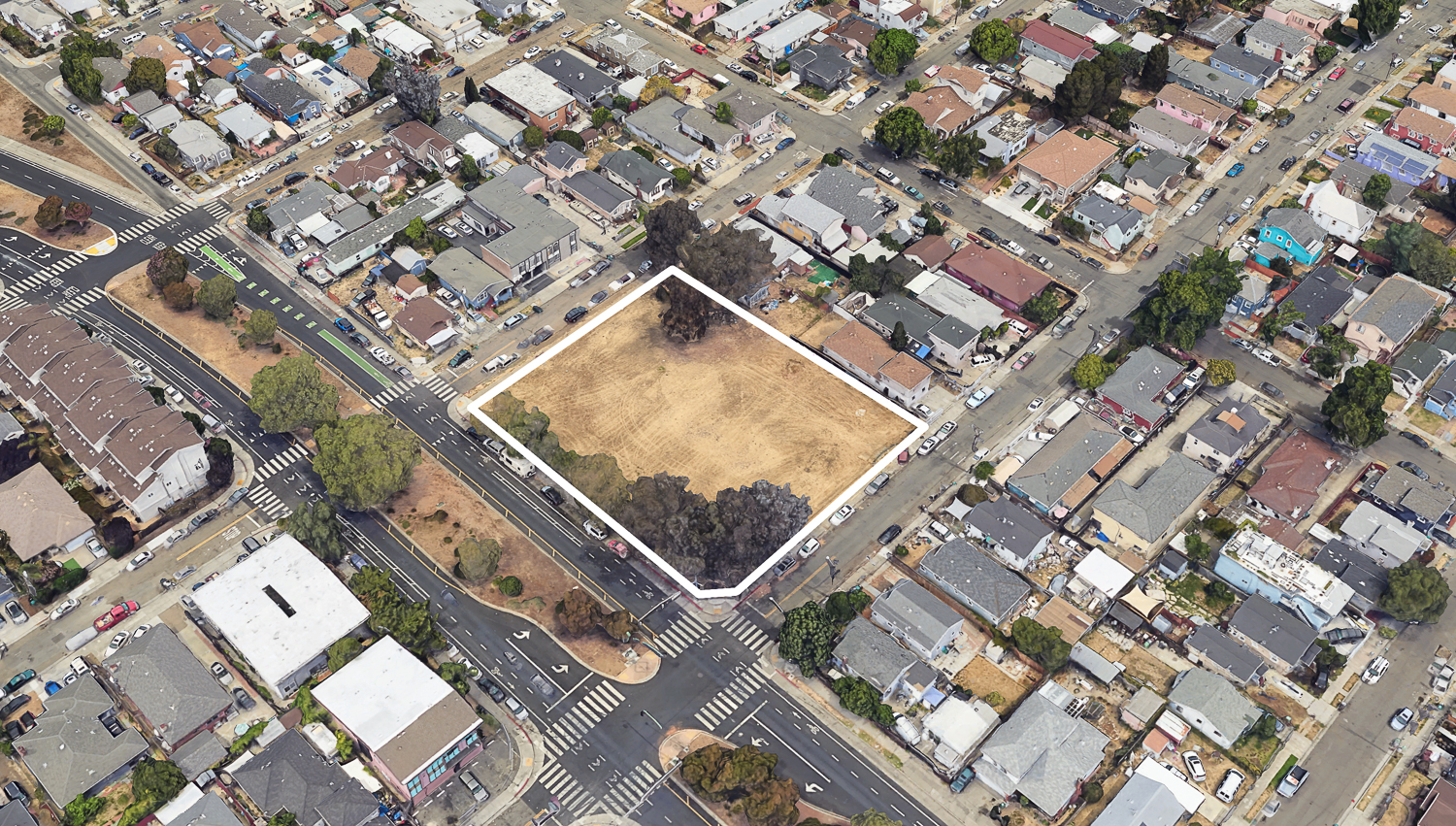
New Affordable Housing Project Proposed in Eastmont, Oakland

Eden Housing's proposal is part of a broader initiative to redevelop the underutilized land surrounding the Eastmont Town Center, a hub for shopping and social services in East Oakland.

Innovative Solutions to California’s Housing Crisis

In the heart of California, a state renowned for its innovation and economic prowess, a housing crisis looms large. The demand for housing far exceeds the supply, leading to skyrocketing costs and a severe affordability gap.

Housing Market Challenges and Prospects for 2024: A Comprehensive Overview

The housing market in 2024 continues to be a battleground, with sellers maintaining the upper hand due to persistently low inventory levels. Despite a slight dip in mortgage rates, which have decreased to 7.09% from their peak, they remain high enough to deter potential buyers.

By |October 17, 2024|Categories: Article, Economic Forecasting, Real Estate|Tags: , |0 Comments

Navigating Post-Pandemic Challenges in Commercial Real Estate

The ongoing struggles in commercial real estate underscore the need for banks to adapt and innovate in response to evolving market conditions. As the sector navigates these challenges, the focus remains on strategic maneuvers and legislative considerations that will shape its future trajectory.

Addressing America’s Housing Crisis: A New Proposal

The current housing landscape is bleak for many. In most American counties, even a modest one-bedroom apartment is out of reach for minimum-wage workers. The situation is exacerbated by the increasing influence of large financial firms in the housing market, leaving working families to compete in an unfair bidding war.

By |October 17, 2024|Categories: Article, Housing, Legislation|Tags: , |0 Comments