In the ever-evolving landscape of
real estate, 2024 promises to be a year where digital prowess and innovative strategies will set the pace for success. As reported by
Chicago Agent Magazine,
lead generation has transcended from being a mere skill to an indispensable necessity for
real estate professionals. The article, penned by Matthew Clark, outlines a roadmap for maximizing lead generation through a blend of
digital marketing,
social media engagement, and strategic use of technology.
Digital Marketing Evolution
In today’s fast-paced world, a
mobile-first experience is no longer optional but essential. With many potential homebuyers initiating their search on mobile devices, optimizing online presence for
mobile users is critical. This includes ensuring responsive website design, fast loading times, and content that adapts seamlessly to various screen sizes.
Moreover, the
rise of video content cannot be ignored. As engaging as it is informative, video content—ranging from virtual tours to client testimonials—can significantly boost online visibility and engagement. By incorporating videos into marketing strategies,
real estate professionals can capture the attention of potential clients more effectively.
Leveraging Social Media Platforms
Social media platforms like Facebook and Instagram remain powerhouses for
lead generation. With millions of active users, these platforms offer unparalleled opportunities to connect with diverse audiences. Crafting targeted ads and sharing compelling organic content are key strategies to maximize reach and engagement. Understanding the unique algorithms and advertising features of each platform is crucial, as highlighted in a related article on
generating real estate leads on Instagram.
Furthermore, exploring
emerging platforms can provide access to a more engaged audience with less competition, creating fertile ground for
lead generation.
SEO and Local Search
Search Engine Optimization (SEO) is pivotal in ensuring that potential clients find your website. This involves optimizing the site with relevant keywords, creating quality content, and ensuring a good user experience. For
real estate professionals,
local SEO is particularly vital. By optimizing online presence to attract traffic from specific geographic areas, professionals can tap into localized content and Google My Business listings to enhance visibility.
Interactive Content
Offering
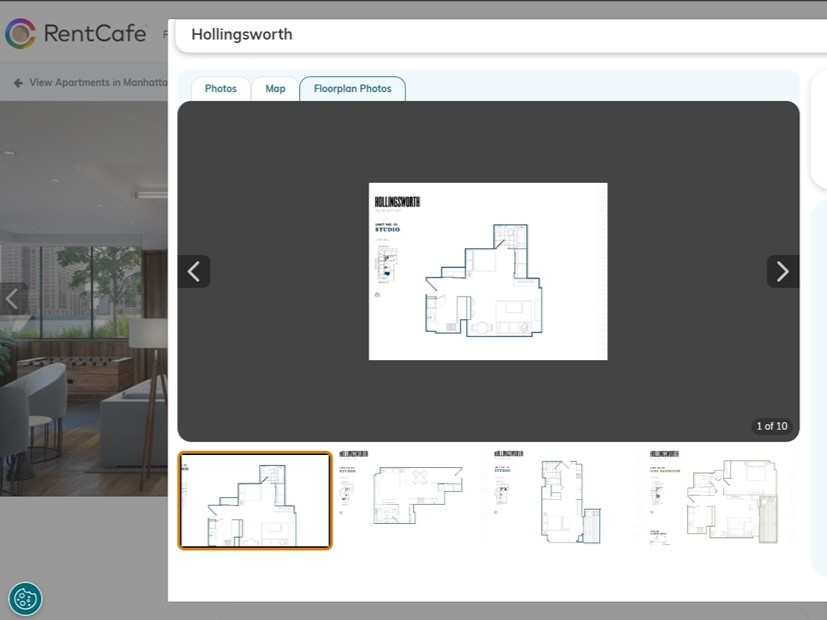
virtual tours and interactive listings can set
real estate professionals apart in a digital-first world. These tools provide an immersive experience, allowing potential buyers to explore properties virtually. Additionally, interactive tools like mortgage calculators or home preference quizzes engage visitors and collect valuable lead information, adding value to your website.
Paid Lead Generation Services
While organic strategies are foundational,
paid lead generation services can amplify reach by targeting specific demographics or geographic areas. These services can be particularly useful in highly competitive markets, boosting visibility and enhancing lead generation efforts.
As we look toward 2024, the
real estate market continues to evolve, driven by technology and innovation. By embracing cutting-edge strategies—from optimizing for
mobile users to leveraging
social media and incorporating
paid lead generation services—
real estate professionals can significantly enhance their lead generation efforts. The key to success lies in staying adaptable, continually learning, and experimenting with new methods to connect with potential clients in this ever-changing landscape.
For more insights, visit the original article on
Chicago Agent Magazine.