In a landscape once considered a bastion of stability, the commercial real estate sector is now navigating turbulent waters. Legendary investor Charlie Munger sounded the alarm in April 2023, warning of a seismic shift in the industry. Speaking to the Financial Times, Munger remarked, “A lot of real estate isn’t so good any more,” highlighting troubled office buildings and shopping centers as areas of concern.


Statistics paint a stark picture. The total dollar volume of commercial real estate transactions plummeted to $647 billion in 2023, a sharp decline from $1.14 trillion in 2022. Analysts attribute this downturn to high interest rates and declining office values, with the latter suffering a 14% drop in value over the past year.


Key Sector Trends

Investment trends reveal significant shifts in the commercial real estate landscape. Multifamily and industrial properties have overtaken office spaces, reflecting the enduring impact of remote work and supply chain challenges. Multifamily properties, in particular, have seen a surge in investment, as detailed in an analysis by the National Association of Realtors.


Meanwhile, the office sector grapples with record-high vacancy rates, with San Francisco leading the charge at a staggering 22.65%. This trend is echoed across tech hubs, where the shift to remote work has left a significant footprint.


Sector-Specific Challenges

  • Office: With vacancy rates soaring, office spaces are struggling to maintain value and attract investment.
  • Hotel: Although showing signs of recovery, the hotel sector’s occupancy rates remain below pre-pandemic levels.
  • Industrial: Despite a slowdown, industrial real estate continues to benefit from logistics demand.
  • Retail: Retail properties boast the lowest vacancy rates, driven by neighborhood centers and general retail stores.

Investors seeking to diversify their portfolios may consider options such as Real Estate Investment Trusts (REITs) or real estate funds. These vehicles offer exposure to different sectors and geographic markets, providing opportunities to capitalize on emerging trends.


As the industry navigates these challenges, the original article from The Motley Fool provides a comprehensive overview of the current state of commercial real estate, offering insights into the factors shaping its future.

More Articles

Getting licensed or staying ahead in your career can be a journey—but it doesn’t have to be overwhelming. Grab your favorite coffee or tea, take a moment to relax, and browse through our articles. Whether you’re just starting out or renewing your expertise, we’ve got tips, insights, and advice to keep you moving forward. Here’s to your success—one sip and one step at a time!

Unlocking Real Estate Wealth in 2025: Strategies for Success

Step into 2025, where the real estate market emerges as a resilient beacon amidst economic unpredictability. Investors are increasingly drawn to secondary cities like Austin and Manchester, attracted by their growth potential, affordability, and enhanced quality of life.

By |February 18, 2025|Categories: Article, Investment Strategies, Real Estate|Tags: , |0 Comments

AI and Urbanization Drive Home Services Market Growth

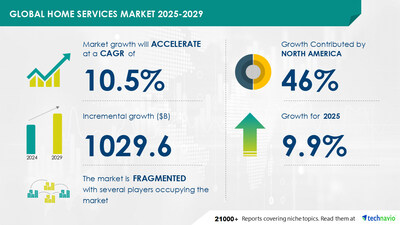
The global home services market is poised for significant growth, with projections indicating an increase of USD 1.03 trillion from 2025 to 2029. This forecasted expansion is attributed to increasing urbanization and the transformative impact of AI on market trends, according to a recent report by Technavio.

Decoding the U.S. Housing Crisis: A Study of Historic Policy Missteps and Demographic Shift

In a revealing study by USC, the roots of the current housing crisis in the United States are traced back to policy missteps and demographic changes that have been unfolding since the early 2000s. The study highlights how these factors have left millennials and people of color disproportionately affected.

Best Real Estate Crowdfunding Platforms for February 2025: Investopedia’s Top Picks

Fundrise stands out for offering investors a chance to diversify their portfolios with real estate exposure through proprietary funds. With a minimum investment as low as $10, it opens doors to beginners and seasoned investors alike.

Top Real Estate Investment Apps of 2025: A Guide for First-Time and Experienced Investors

Business Insider has reviewed a range of platforms available in 2025, focusing on key factors like fees, accessibility for accredited vs. non-accredited investors, and the types of real estate investments offered.