In a landscape once considered a bastion of stability, the commercial real estate sector is now navigating turbulent waters. Legendary investor Charlie Munger sounded the alarm in April 2023, warning of a seismic shift in the industry. Speaking to the Financial Times, Munger remarked, “A lot of real estate isn’t so good any more,” highlighting troubled office buildings and shopping centers as areas of concern.


Statistics paint a stark picture. The total dollar volume of commercial real estate transactions plummeted to $647 billion in 2023, a sharp decline from $1.14 trillion in 2022. Analysts attribute this downturn to high interest rates and declining office values, with the latter suffering a 14% drop in value over the past year.


Key Sector Trends

Investment trends reveal significant shifts in the commercial real estate landscape. Multifamily and industrial properties have overtaken office spaces, reflecting the enduring impact of remote work and supply chain challenges. Multifamily properties, in particular, have seen a surge in investment, as detailed in an analysis by the National Association of Realtors.


Meanwhile, the office sector grapples with record-high vacancy rates, with San Francisco leading the charge at a staggering 22.65%. This trend is echoed across tech hubs, where the shift to remote work has left a significant footprint.


Sector-Specific Challenges

  • Office: With vacancy rates soaring, office spaces are struggling to maintain value and attract investment.
  • Hotel: Although showing signs of recovery, the hotel sector’s occupancy rates remain below pre-pandemic levels.
  • Industrial: Despite a slowdown, industrial real estate continues to benefit from logistics demand.
  • Retail: Retail properties boast the lowest vacancy rates, driven by neighborhood centers and general retail stores.

Investors seeking to diversify their portfolios may consider options such as Real Estate Investment Trusts (REITs) or real estate funds. These vehicles offer exposure to different sectors and geographic markets, providing opportunities to capitalize on emerging trends.


As the industry navigates these challenges, the original article from The Motley Fool provides a comprehensive overview of the current state of commercial real estate, offering insights into the factors shaping its future.

More Articles

Getting licensed or staying ahead in your career can be a journey—but it doesn’t have to be overwhelming. Grab your favorite coffee or tea, take a moment to relax, and browse through our articles. Whether you’re just starting out or renewing your expertise, we’ve got tips, insights, and advice to keep you moving forward. Here’s to your success—one sip and one step at a time!

Artificial Intelligence in Diagnostics: A Revolution in Healthcare

The global market for artificial intelligence in diagnostics is poised for remarkable growth, with projections estimating it to reach USD 7.3 billion by 2032.

By |December 10, 2024|Categories: Article, Artificial Intelligence, Healthcare|Tags: , |0 Comments

Revolutionizing Medical Education with Extended Reality

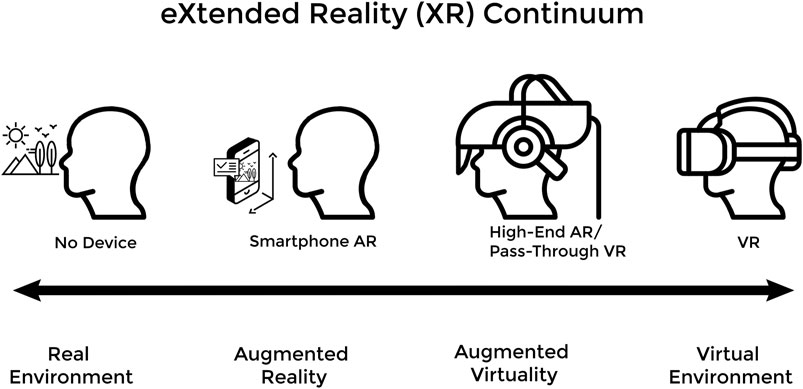
In the ever-evolving landscape of medical education, a new player has emerged, promising to revolutionize the way future doctors are trained. The integration of eXtended Reality (XR) technologies is reshaping the educational landscape by addressing the limitations of traditional methods.

Genetic Testing: A New Dawn in Healthcare

Genetic testing represents more than just a scientific advancement; it signifies a fundamental shift in how we approach health and wellness.

Sustainable Architecture: Blending Innovation with Ecological Responsibility

The journey toward sustainable architecture is ongoing, with each project serving as a beacon of what's achievable when creativity meets ecological awareness.

By |December 9, 2024|Categories: Architecture, Article, Sustainability|Tags: |0 Comments

AI in Clinical and Molecular Diagnostics: A Market on the Rise

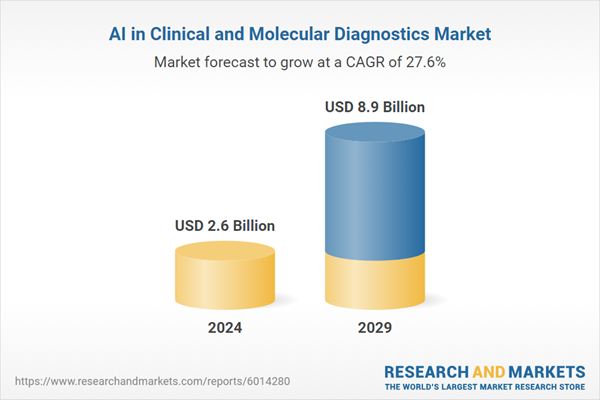
AI in Clinical and Molecular Diagnostics Market is set to experience remarkable growth, projected to surge from USD 2.6 billion in 2024 to USD 8.9 billion by 2029. This growth is driven by the integration of advanced AI technologies such as machine learning and deep learning into traditional diagnostic methodologies like imaging, genomics, and laboratory testing.

AI: A Revolution in Healthcare’s Future

AI is not a distant dream but a present reality, already integrated into everyday life through virtual assistants like Alexa and Siri. AI shows promise in enhancing medical accuracy, such as in predicting mesothelioma survival and improving colonoscopy accuracy, it is not intended to replace healthcare professionals.