U.S. Housing Market: A Glimpse into the Future

The U.S. housing market is poised for significant changes over the next five years, according to a recent analysis by Norada Real Estate Investments. With a complex interplay of factors, including rising interest rates and increased housing supply, the market is expected to experience a slowdown, with home prices either remaining flat or seeing a modest decline.
  • Rising Interest Rates: The Federal Reserve’s measures to combat inflation have led to higher borrowing costs, impacting home affordability.
  • Increased Supply of Homes: More homes are expected to enter the market, providing relief from the current supply shortage.
  • Affordability Challenges: Despite a potential easing in prices, affordability remains a concern for many prospective buyers.

Stabilizing Mortgage Rates

Recent data suggests that mortgage rates are expected to stabilize in the coming months, offering some respite to buyers. If the trend of declining high inflation continues, it could align with the Federal Reserve’s targets, leading to reduced volatility in mortgage rates. This environment may prove more favorable for buyers grappling with affordability concerns.

Technological Advancements and Demographic Shifts

The housing market is also expected to be influenced by technological advancements and changes in buyer demographics. Emerging technologies, such as virtual tours and data analytics, are reshaping how homes are bought and sold. Additionally, changing demographics, including the rise of remote work, are driving demand for housing in suburban and rural areas.

Looking Ahead: 2025 and Beyond

As we move towards 2025, the market is anticipated to witness moderate growth, with home prices rising by approximately 1% to 2% above the current inflation rate. This increase will be driven by factors such as the rise in real incomes, lower mortgage rates, and increased affordability. However, it may take time to reach the home value heights of mid-2022.
The trend of buyers pooling resources with friends and family to purchase homes is expected to continue, as the rising cost of housing drives people to seek more space and privacy. This shift is likely to result in more multi-generational households and co-living arrangements.

The 2028 Housing Market: A Buyer’s or Seller’s Paradise?

Looking further ahead to 2028, the market is expected to experience gradual price increases, with an annual appreciation of 1-2%. Improved affordability, rising inventory, and regional variations are anticipated to shape the market dynamics. However, affordability concerns might be more pronounced in some areas compared to others.
For a more detailed analysis, visit the Latest U.S. Housing Market Trends and Zillow’s Housing Predictions.

Conclusion

The next few years are likely to bring significant changes to the U.S. housing market. While the market is expected to remain strong, stakeholders must stay informed about the latest trends and developments to make informed decisions.

For more insights and updates, visit the original article by Norada Real Estate Investments.

More Articles

Getting licensed or staying ahead in your career can be a journey—but it doesn’t have to be overwhelming. Grab your favorite coffee or tea, take a moment to relax, and browse through our articles. Whether you’re just starting out or renewing your expertise, we’ve got tips, insights, and advice to keep you moving forward. Here’s to your success—one sip and one step at a time!

Unlocking Real Estate Wealth in 2025: Strategies for Success

Step into 2025, where the real estate market emerges as a resilient beacon amidst economic unpredictability. Investors are increasingly drawn to secondary cities like Austin and Manchester, attracted by their growth potential, affordability, and enhanced quality of life.

By |February 18, 2025|Categories: Article, Investment Strategies, Real Estate|Tags: , |0 Comments

AI and Urbanization Drive Home Services Market Growth

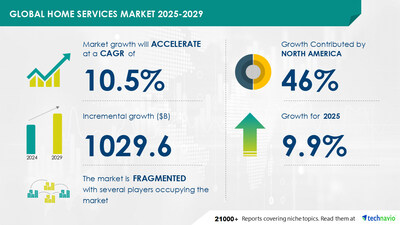
The global home services market is poised for significant growth, with projections indicating an increase of USD 1.03 trillion from 2025 to 2029. This forecasted expansion is attributed to increasing urbanization and the transformative impact of AI on market trends, according to a recent report by Technavio.

Decoding the U.S. Housing Crisis: A Study of Historic Policy Missteps and Demographic Shift

In a revealing study by USC, the roots of the current housing crisis in the United States are traced back to policy missteps and demographic changes that have been unfolding since the early 2000s. The study highlights how these factors have left millennials and people of color disproportionately affected.

Best Real Estate Crowdfunding Platforms for February 2025: Investopedia’s Top Picks

Fundrise stands out for offering investors a chance to diversify their portfolios with real estate exposure through proprietary funds. With a minimum investment as low as $10, it opens doors to beginners and seasoned investors alike.

Top Real Estate Investment Apps of 2025: A Guide for First-Time and Experienced Investors

Business Insider has reviewed a range of platforms available in 2025, focusing on key factors like fees, accessibility for accredited vs. non-accredited investors, and the types of real estate investments offered.