In a landscape marked by elevated mortgage rates and rising home prices, the U.S. housing market in 2025 is poised for another challenging year. Despite the hurdles, there is cautious optimism that certain trends might shift, potentially offering some relief to prospective homebuyers.

Mortgage Rates and Affordability
The average 30-year mortgage rate, which dipped to 6.2% in September 2024, has climbed back above 7% in early 2025. Although experts predict a moderation, substantial decreases remain unlikely. Greg McBride, CFA, chief financial analyst for Bankrate, notes, “Continued economic growth and worries about inflation and government debt will keep mortgage rates elevated.” This suggests that affordability will continue to be a pressing issue for many.

Housing Inventory
While housing inventory has seen improvements, with a 3.5-month supply at the end of January 2025, it still falls short of the 5 to 6 months needed for a balanced market. The National Association of Realtors (NAR) reports a 16.8% improvement from the previous year, yet the market remains tight. Most of the increase is expected to come from new constructions rather than existing homes.

Home Prices
The median home-sale price in the U.S. was $396,900 in January 2025, marking a 4.8% increase from the previous year. Although prices are likely to continue rising, CoreLogic forecasts a slower pace, with an average growth of 2% for 2025. Areas with greater inventory might see price drops, while popular regions with limited new inventory could experience steady increases.

Political Implications
The impact of the new presidential administration on the housing market remains a wildcard. According to Redfin’s 2025 predictions, potential tax cuts and tariffs could influence mortgage rates and builder confidence. The Republican sweep has brought optimism for regulatory reform, potentially easing burdens on builders.

Buyer’s or Seller’s Market?
Despite improvements, the market is expected to remain a seller’s market in most areas due to limited inventory. Greg McBride points out, “Most areas will still lean toward a seller’s market due to limited inventory.” However, markets with increased inventory might offer more opportunities for buyers.

Conclusion
As the housing market navigates through 2025, high mortgage rates, steep prices, and insufficient inventory levels suggest another tough year for both buyers and sellers. Nonetheless, with a shift in buyer attitudes and a potential increase in market movement, there is hope for some stabilization. For those looking to enter the market, relying on the expertise of a seasoned local real estate agent could prove invaluable.

For more insights, the original article on Bankrate provides an in-depth analysis of these trends and expert predictions.

More Articles

Getting licensed or staying ahead in your career can be a journey—but it doesn’t have to be overwhelming. Grab your favorite coffee or tea, take a moment to relax, and browse through our articles. Whether you’re just starting out or renewing your expertise, we’ve got tips, insights, and advice to keep you moving forward. Here’s to your success—one sip and one step at a time!

2025 Commercial Real Estate Outlook: Navigating a New Era

The commercial real estate landscape is on the brink of transformation as leaders seek to navigate the challenges of recent years and position their organizations for future opportunities.

The Emerging Mental Health Crisis Among Healthcare Workers During the COVID-19 Pandemic

The pandemic has ushered in a wave of mental health challenges that affect healthcare workers profoundly. From the onset of COVID-19, these professionals have been at the forefront, facing immense pressure, long hours, and the constant fear of exposure.

By |December 18, 2024|Categories: Article, Healthcare Workers, Mental Health|Tags: , |0 Comments

Ethical Concerns of Large Language Models in Healthcare

Exploring the dual nature of LLMs offers substantial benefits in healthcare but also raises significant ethical concerns, underscoring the need for well-defined guidelines and human oversight.

The Role of Wearable Devices in Chronic Disease Monitoring and Patient Care: A Comprehensive Review

Wearable devices have become integral in managing chronic conditions by providing continuous health data, empowering patients and healthcare professionals with insights that were previously unattainable.

AI Training Mandates: Navigating Legal Waters in Dentistry

The integration of artificial intelligence (AI) into dental practices is more than a technological trend; it represents a seismic shift in the industry. This transformation is reshaping skill sets and prompting a thorough examination of legal and ethical implications.

By |December 17, 2024|Categories: Article, Legal, Technology|Tags: , |0 Comments

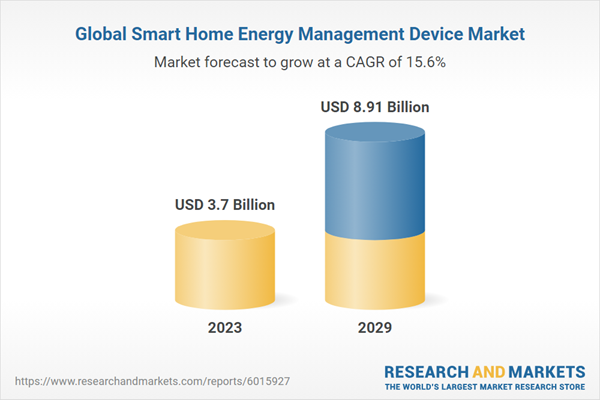
Smart Home Energy Management Devices: A Market Poised for Growth

The Global Smart Home Energy Management Device Market is on the brink of a significant transformation, driven by escalating demands for energy-efficient solutions and the increasing adoption of smart home technologies.