The U.S. housing market is experiencing a notable shift. After years of historically low housing supply, inventory is finally on the rise, driven by a construction boom during the COVID-19 pandemic when mortgage rates were at record lows. This increase in inventory, highlighted in a recent report by the National Association of REALTORS®, offers a glimmer of hope in addressing affordability challenges.


Despite this positive development, the issue of affordability remains a significant hurdle, particularly for potential buyers in lower and middle-income brackets. As of March 2025, nationwide for-sale inventory increased by nearly 20 percent, yet it still falls short of pre-pandemic levels, leaving many aspiring homeowners priced out of the market.


Key findings from the report reveal that households earning between $75,000 and $100,000 have seen the most significant improvements in access to affordable homes. However, these advances are modest compared to 2019 levels, where such households could afford nearly half of active listings. This indicates a persistent shortage in accessible homes priced at $255,000 or below.


Regional Breakdown: Who’s Close, Who’s Stuck, and Who’s Falling Behind

The report categorizes local markets into three groups: areas getting closer to balance, areas stuck in the middle, and areas falling further behind. This classification reflects diverse economic and policy environments across the country.

  • Areas Getting Closer to Balance: These markets have seen significant improvements in affordability over the past year, offering better alignment between home prices and local incomes.
  • Areas Stuck in the Middle: These regions are struggling to keep up with demand, showing progress but still falling short of offering real affordability to most families.
  • Areas Falling Further Behind: In these metros, the availability of affordable listings has declined, signaling a growing divide between home costs and what local families can afford.

For middle-income buyers, earning up to $75,000, accessing more than half of current listings remains a significant challenge. The data underscores the urgent need to construct more homes priced suitably for these buyers.


The Path Forward: Strategic Solutions Needed

The upward trend in inventory is encouraging, but translating this into equitable opportunities requires strategic efforts. Nationwide, sustainable solutions must be crafted to ensure housing supply aligns with demand, particularly at price points accessible to middle-income families.


Efforts to resolve housing bottlenecks necessitate policy reforms, removal of regulatory barriers, and investments tailored to prevailing market dynamics and income-level realities. With a concerted approach, stakeholders at various levels can work towards a balanced housing ecosystem that serves the broad spectrum of future home buyers, promoting inclusivity and economic stability.


For further details, the full report is available for download here.

More Articles

Getting licensed or staying ahead in your career can be a journey—but it doesn’t have to be overwhelming. Grab your favorite coffee or tea, take a moment to relax, and browse through our articles. Whether you’re just starting out or renewing your expertise, we’ve got tips, insights, and advice to keep you moving forward. Here’s to your success—one sip and one step at a time!

Is Florida’s Booming Real Estate Market Becoming Unaffordable?

Florida is facing a real estate crisis marked by skyrocketing insurance premiums, stringent FEMA rules, and a surge in hedge fund property acquisitions.

By |November 14, 2024|Categories: Article, Finance/Economy, Real Estate|Tags: , |0 Comments

Revolutionizing Cancer Therapy: The Promise of Patient-Derived Organoids

Patient-derived organoids offer an unprecedented opportunity to replicate the complex structure and genetic makeup of cancers, providing a more accurate model for clinical drug screening and pharmacognostic assessment.

The AI Revolution in Dermatology: A Systematic Review

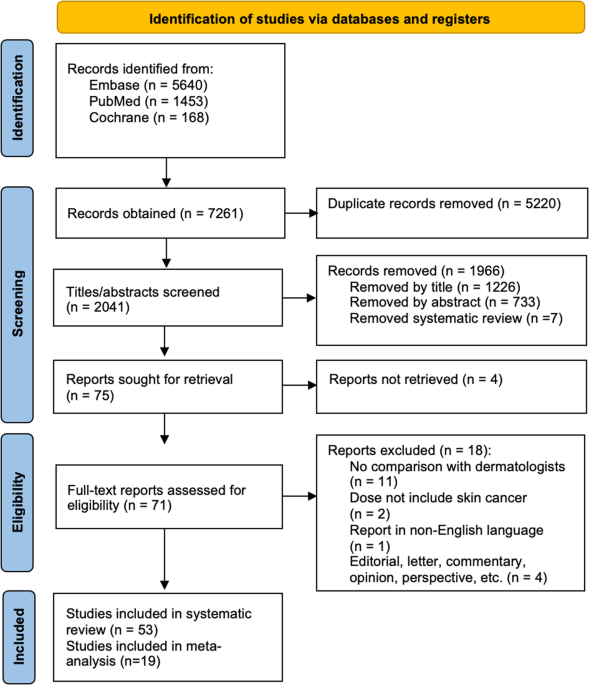
In a groundbreaking study published in Nature, researchers have delved into the burgeoning field of artificial intelligence (AI) in dermatology, specifically examining its role in diagnosing skin cancer. The study, titled "A Systematic Review and Meta-Analysis of Artificial Intelligence Versus Clinicians for Skin Cancer Diagnosis," offers a comprehensive look at how AI stacks up against human clinicians in this critical area of healthcare.

By |November 14, 2024|Categories: AI in Healthcare, Article, Dermatology|Tags: , |0 Comments

The Fast Lane to Fully Autonomous Vehicles: Industry Innovations and Future Prospects

The automotive world is abuzz with announcements from major players like Tesla, Rimac, Renault, and Nissan, each unveiling plans to introduce autonomous vehicles in the near future. Tesla's much-anticipated "CyberCab" is set for an October 2024 debut, while Rimac and Renault are gearing up for releases in 2026.

Futureproofing for Insurers: The Role of AI and Hyper-Personalization

In a rapidly evolving industry, insurance companies are turning to artificial intelligence (AI) and hyper-personalization to stay ahead of the curve.

Revolutionizing Healthcare: The Power and Potential of AI

AI technology offers a multitude of benefits, from enhancing patient outcomes to reducing healthcare costs and improving population health. Its application ranges from preventive screenings to complex diagnostic procedures, marking a new era in medical care.


By |November 13, 2024|Categories: Article, Artificial Intelligence, Healthcare|Tags: , |0 Comments