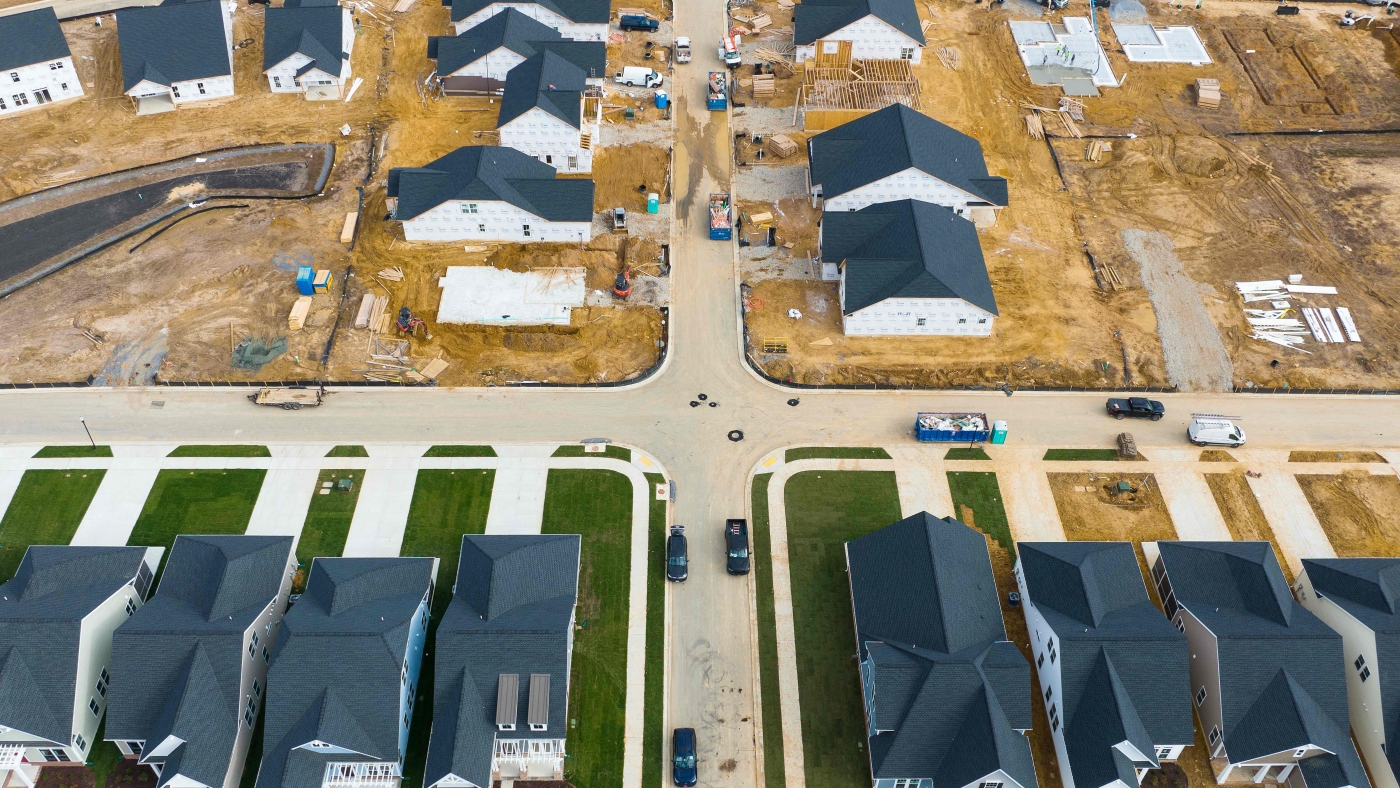
The U.S. housing market is experiencing a notable shift. After years of historically low housing supply, inventory is finally on the rise, driven by a construction boom during the COVID-19 pandemic when mortgage rates were at record lows. This increase in inventory, highlighted in a recent report by the National Association of REALTORS®, offers a glimmer of hope in addressing affordability challenges.


Despite this positive development, the issue of affordability remains a significant hurdle, particularly for potential buyers in lower and middle-income brackets. As of March 2025, nationwide for-sale inventory increased by nearly 20 percent, yet it still falls short of pre-pandemic levels, leaving many aspiring homeowners priced out of the market.


Key findings from the report reveal that households earning between $75,000 and $100,000 have seen the most significant improvements in access to affordable homes. However, these advances are modest compared to 2019 levels, where such households could afford nearly half of active listings. This indicates a persistent shortage in accessible homes priced at $255,000 or below.


Regional Breakdown: Who’s Close, Who’s Stuck, and Who’s Falling Behind

The report categorizes local markets into three groups: areas getting closer to balance, areas stuck in the middle, and areas falling further behind. This classification reflects diverse economic and policy environments across the country.

  • Areas Getting Closer to Balance: These markets have seen significant improvements in affordability over the past year, offering better alignment between home prices and local incomes.
  • Areas Stuck in the Middle: These regions are struggling to keep up with demand, showing progress but still falling short of offering real affordability to most families.
  • Areas Falling Further Behind: In these metros, the availability of affordable listings has declined, signaling a growing divide between home costs and what local families can afford.

For middle-income buyers, earning up to $75,000, accessing more than half of current listings remains a significant challenge. The data underscores the urgent need to construct more homes priced suitably for these buyers.


The Path Forward: Strategic Solutions Needed

The upward trend in inventory is encouraging, but translating this into equitable opportunities requires strategic efforts. Nationwide, sustainable solutions must be crafted to ensure housing supply aligns with demand, particularly at price points accessible to middle-income families.


Efforts to resolve housing bottlenecks necessitate policy reforms, removal of regulatory barriers, and investments tailored to prevailing market dynamics and income-level realities. With a concerted approach, stakeholders at various levels can work towards a balanced housing ecosystem that serves the broad spectrum of future home buyers, promoting inclusivity and economic stability.


For further details, the full report is available for download here.

More Articles

Getting licensed or staying ahead in your career can be a journey—but it doesn’t have to be overwhelming. Grab your favorite coffee or tea, take a moment to relax, and browse through our articles. Whether you’re just starting out or renewing your expertise, we’ve got tips, insights, and advice to keep you moving forward. Here’s to your success—one sip and one step at a time!

A New Era in Real Estate: The Ultimate CRM Tools for 2024

In the dynamic world of real estate, where relationships are the cornerstone of success, the right Customer Relationship Management (CRM) software can be a game-changer.

By |October 13, 2024|Categories: Article, CRM Software, Real Estate|Tags: , |0 Comments

Florida’s Real-Estate Market Faces Turmoil Amid Back-to-Back Hurricanes

As Florida braces for the impact of Hurricane Milton, the state's real-estate market finds itself in a precarious position. This powerful Category 4 storm, following closely after Hurricane Helene, threatens to exacerbate an already volatile situation.

By |October 13, 2024|Categories: Article, Natural Disasters, Real Estate|Tags: , |0 Comments

Jersey City Tops 2024 Apartment Investment List Amid New York Metro Challenges

Jersey City, New Jersey, has emerged as the top prospect for apartment investment in 2024, according to real estate professionals, despite a backdrop of population decline in the New York metro area.

By |October 13, 2024|Categories: Article, Investment, Real Estate|Tags: |0 Comments

The Best CRM for Real Estate of 2024: A Comprehensive Guide

In the ever-evolving world of real estate, maintaining strong relationships is the cornerstone of success. Realtors are increasingly turning to Customer Relationship Management (CRM) software to streamline their operations and enhance client interactions.

By |October 13, 2024|Categories: Article, CRM Software, Real Estate|Tags: , |0 Comments

Federal Reserve Rate Cut: Impact on Housing Market

Mortgage rates, which soared to nearly 8% last year, have already begun to decline, even before the Fed's official announcement. Currently, long-term fixed-rate mortgages are hovering around 6.2%, the lowest since February 2023. However, experts like Charlie Dougherty from Wells Fargo suggest that while rates might dip slightly, significant reductions are unlikely in the immediate future.

By |October 13, 2024|Categories: Article, Economics, Real Estate|Tags: |0 Comments

Binance Integrates USDT on TON: A New Era for Stablecoin Transactions

In a groundbreaking move, Binance has announced the integration of Tether's USDT token on The Open Network (TON), a development that promises to enhance liquidity and reduce transaction fees for its users.