The U.S. housing market is experiencing a notable shift. After years of historically low housing supply, inventory is finally on the rise, driven by a construction boom during the COVID-19 pandemic when mortgage rates were at record lows. This increase in inventory, highlighted in a recent report by the National Association of REALTORS®, offers a glimmer of hope in addressing affordability challenges.


Despite this positive development, the issue of affordability remains a significant hurdle, particularly for potential buyers in lower and middle-income brackets. As of March 2025, nationwide for-sale inventory increased by nearly 20 percent, yet it still falls short of pre-pandemic levels, leaving many aspiring homeowners priced out of the market.


Key findings from the report reveal that households earning between $75,000 and $100,000 have seen the most significant improvements in access to affordable homes. However, these advances are modest compared to 2019 levels, where such households could afford nearly half of active listings. This indicates a persistent shortage in accessible homes priced at $255,000 or below.


Regional Breakdown: Who’s Close, Who’s Stuck, and Who’s Falling Behind

The report categorizes local markets into three groups: areas getting closer to balance, areas stuck in the middle, and areas falling further behind. This classification reflects diverse economic and policy environments across the country.

  • Areas Getting Closer to Balance: These markets have seen significant improvements in affordability over the past year, offering better alignment between home prices and local incomes.
  • Areas Stuck in the Middle: These regions are struggling to keep up with demand, showing progress but still falling short of offering real affordability to most families.
  • Areas Falling Further Behind: In these metros, the availability of affordable listings has declined, signaling a growing divide between home costs and what local families can afford.

For middle-income buyers, earning up to $75,000, accessing more than half of current listings remains a significant challenge. The data underscores the urgent need to construct more homes priced suitably for these buyers.


The Path Forward: Strategic Solutions Needed

The upward trend in inventory is encouraging, but translating this into equitable opportunities requires strategic efforts. Nationwide, sustainable solutions must be crafted to ensure housing supply aligns with demand, particularly at price points accessible to middle-income families.


Efforts to resolve housing bottlenecks necessitate policy reforms, removal of regulatory barriers, and investments tailored to prevailing market dynamics and income-level realities. With a concerted approach, stakeholders at various levels can work towards a balanced housing ecosystem that serves the broad spectrum of future home buyers, promoting inclusivity and economic stability.


For further details, the full report is available for download here.

More Articles

Getting licensed or staying ahead in your career can be a journey—but it doesn’t have to be overwhelming. Grab your favorite coffee or tea, take a moment to relax, and browse through our articles. Whether you’re just starting out or renewing your expertise, we’ve got tips, insights, and advice to keep you moving forward. Here’s to your success—one sip and one step at a time!

Phoenix Housing Market Surges Ahead of the Nation in 2025

The Phoenix housing market continues to outperform the rest of the country, posting stronger sales, rising equity, and an influx of qualified buyers. With closed sales, pending sales, new listings, and median prices all trending upward, the Valley is outpacing national growth by a wide margin. City‑level data shows impressive strength across Scottsdale, Goodyear, Gilbert, Phoenix, and more—making 2025 a powerful year for agents, investors, and professionals watching the Arizona market.

20 High-Demand Jobs to Watch as 2026 Approaches — Major Events Are Fueling New Opportunities

With the 2026 FIFA World Cup and America’s 250th birthday celebrations on the horizon, the U.S. job market is gearing up for a surge across multiple industries. Seasonal, flexible, and part‑time roles are expected to rise—especially for workers 50+ who have struggled in a cooling labor market. From accounting and HR leadership to event staffing and delivery driving, major cities are preparing for increased hiring tied to tourism, infrastructure, and yearlong national celebrations. Many of these fast‑growing roles connect directly to licensing and certification pathways, giving professionals new chances to pivot or upskill through programs offered by Cameron Academy.

New Florida Laws Taking Effect January 1, 2026: Key Updates for Professionals

Florida is rolling out a new wave of laws on January 1, 2026 that will impact professionals in real estate, insurance, healthcare, education, and other regulated industries. From new insurance rules and healthcare billing requirements to condo association deadlines and statewide databases, these updates reshape compliance expectations across the state. Whether you work in property, finance, or public‑facing services, understanding these changes is essential for staying aligned with Florida’s evolving regulations.

Commercial Real Estate Pros Are Almost All Bullish on 2026

Nearly every commercial real estate professional is expecting a stronger year ahead, with 97% predicting increased or stable activity in 2026, according to Avison Young’s latest outlook. Confidence has surged dramatically since mid‑2025 as strong sales, anticipated rate cuts, and improving fundamentals across key sectors signal that CRE recovery and growth may finally be taking hold.

Dallas‑Fort Worth’s 2025 Boom: The Metroplex Redefining U.S. Growth

Dallas‑Fort Worth is finishing 2025 as the nation’s top real estate and business powerhouse, fueled by corporate relocations, a dominant industrial sector, infrastructure megaprojects, and a rapidly evolving workforce landscape. From data center expansion to the launch of the DART Silver Line, the region continues to outpace national trends—while also confronting a growing demand for skilled professionals and licensed talent across construction, real estate, and technical fields.

FEMA and NJDEP Unveil New Morris County Flood Maps, Triggering Key Changes for Property Owners and Professionals

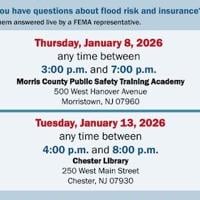
FEMA and the NJDEP have released revised preliminary flood maps for Morris County, reshaping how homeowners, real estate agents, insurers, and mortgage professionals assess flood risk. The updated FIRMs may shift properties into or out of higher‑risk zones, affecting insurance requirements, closing processes, and long‑term property values. With public review and appeals ahead, industry professionals are urged to study the changes now and prepare clients for potential impacts.