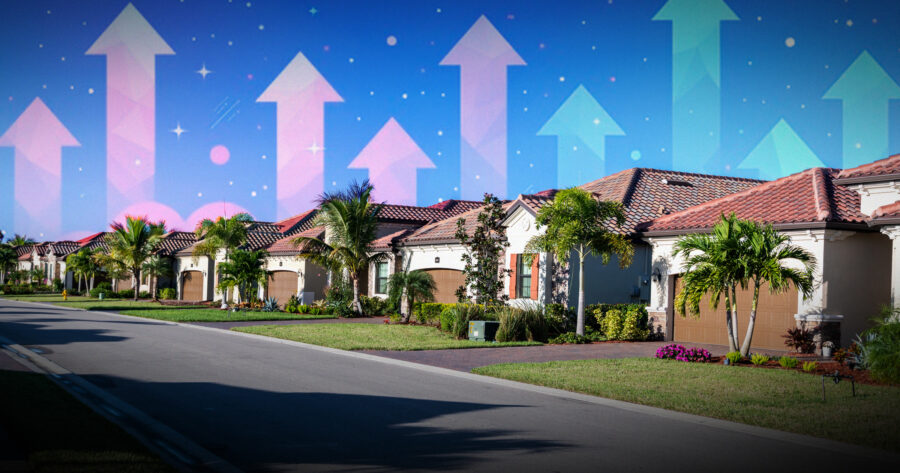
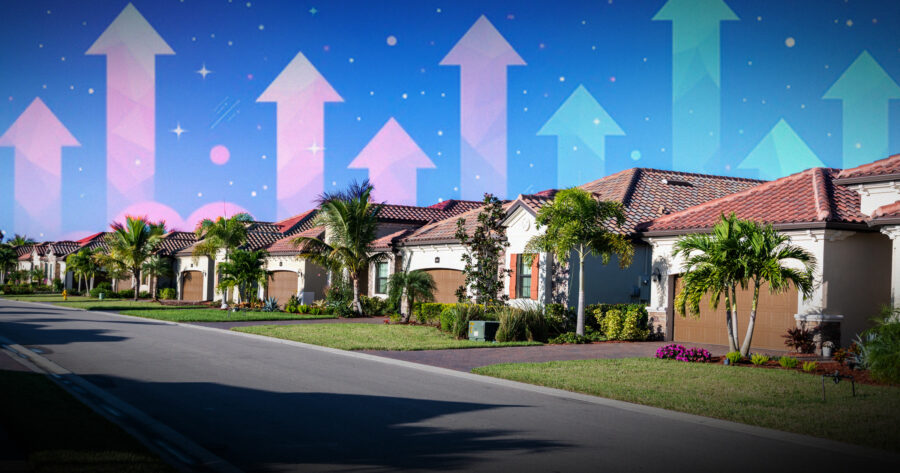
U.S. Mortgage Rates Dip Below 6 Percent as Spring Buying Season Begins
The average long-term U.S. mortgage rate has officially slipped below the 6 percent mark for the first time since late 2022, energizing the real estate world just as the spring home-buying season begins to heat up. Freddie Mac reports the benchmark 30-year fixed mortgage rate now sits at 5.98 percent, edging down from 6.01 percent the previous week. By comparison, one year ago rates hovered at 6.76 percent.
This is the third straight week of declines and marks the lowest point since September 8, 2022, when rates stood at 5.89 percent. While rates have flirted with the 6 percent boundary for much of this year, this drop is capturing fresh attention among buyers, sellers, and seasoned real estate professionals alike.
What Is Driving the Decline?
Mortgage rates tend to move closely with the 10-year Treasury yield, which shifted to 4.02 percent from 4.07 percent the week prior. Economic expectations, inflation trends, and Federal Reserve policy each influence these shifts, directly shaping buyer affordability and industry confidence.
Despite gradual downward pressure on rates, the broader housing market has remained sluggish. Although home sales throughout 2025 showed slight improvement, activity remained far below long-term averages. Inventory shortages, elevated prices, and years of underbuilding continue to restrain many potential buyers.
Is This the Turning Point?
Industry experts suggest that dropping below the symbolic 6 percent threshold could finally push momentum forward. Chief economist Lisa Sturtevant of Bright MLS noted that if rates continue to hold under this level, both buyers and sellers may re-enter the market as spring unfolds. Historically, March signals the start of the busiest real estate season of the year.
Yet many homeowners remain locked into ultra-low pandemic-era mortgage rates. Roughly 69 percent of U.S. mortgage holders have rates at or below 5 percent, and more than half are at or below 4 percent. Rates may need to fall further before these owners feel motivated to list.
Refinancing and ARMs See Growing Interest
With rates easing, refinancing activity is ticking upward. Applications rose 0.4 percent last week, with refinances now making up 58.6 percent of all mortgage applications. Adjustable-rate mortgages, known for offering lower initial payments, also increased to 8.2 percent of all applications.
What This Means for Real Estate Professionals
Lower rates create movement, and movement creates opportunity. Agents, brokers, loan officers, and mortgage professionals could see increased activity in the coming months. For aspiring or advancing real estate professionals, this may be the perfect time to prepare for rising demand.
Cameron Academy continues to support future agents and multi-licensed professionals with flexible, success-driven education in real estate, mortgage, insurance, and more across all 50 states. As activity grows, having your license ready can place you ahead of the competition and fully prepared for the upcoming surge.
For the original report and more economic insights, visit PBS NewsHour:
Getting licensed or staying ahead in your career can be a journey—but it doesn’t have to be overwhelming. Grab your favorite coffee or tea, take a moment to relax, and browse through our articles. Whether you’re just starting out or renewing your expertise, we’ve got tips, insights, and advice to keep you moving forward. Here’s to your success—one sip and one step at a time!
New data from the U.S. Bureau of Labor Statistics reveals major pay gaps across industries as we head into 2025. While top roles in finance, tech, and healthcare exceed $130,000 to $160,000 a year, other professions lag far behind—even when education levels are similar. Job titles, location, experience, and specialized skills are now some of the biggest factors shaping how much you earn. If you’ve been wondering whether your paycheck is keeping up with the market, this breakdown shows exactly where you stand and what it takes to boost your earning power.
A cooling housing market is giving buyers something they haven’t had in years: room to breathe. With slower sales, more inventory, and less pressure to make snap decisions, homebuyer regret has noticeably declined in 2025. Buyers are feeling more confident thanks to fewer bidding wars, reduced overpaying, and stronger financial preparation—though maintenance surprises still pose challenges. This shift toward a true buyer’s market offers real estate professionals a prime opportunity to guide clients with clarity and confidence.
This week’s commercial real estate roundup unpacks the lingering economic fallout from the 43‑day federal shutdown, new pressures on major office markets, and the rise of STEM‑driven cities reshaping demand nationwide. With fresh Q3 data from Altus showing stronger‑than‑expected transaction momentum, plus updates on Chicago’s valuation slide and national mortgage policy debates, this edition delivers the essential trends CRE, mortgage, finance, and appraisal professionals need to stay ahead.
ATTOM has been named Inman’s 2025 Best of Proptech winner, earning top recognition for its leadership in data and intelligence platforms. With advancements like Snowflake integration, ATTOM Nexus, and enhanced parcel‑centric analytics, the company is shaping the future of AI‑driven real estate decision‑making. This win highlights ATTOM’s growing role as a trusted data backbone for real estate, mortgage, insurance, and investment professionals nationwide.
A new report reveals that Florida’s property insurance market is far from recovering. Despite political claims of stabilization, homeowners are seeing premiums up 54% since 2019, widespread insurer instability, and some companies re‑entering the market under rebranded identities. With high rates of unpaid claims, delayed payouts, and policy non‑renewals, lawmakers are now pushing for transparency and oversight. For homeowners and industry professionals alike, understanding these risks is critical as Florida’s insurance challenges continue to deepen.
Despite new insurers entering the state and lawmakers touting market improvements, a new report reveals Florida’s property insurance system is still plagued by high premiums, weak oversight, and companies with troubled histories. Rates have climbed 54% since 2019, nearly one‑fifth of homeowners are now uninsured, and Florida leads the nation in unpaid and delayed claims. Critics warn that the state’s strategy of shifting risk to undercapitalized private companies may set the stage for another crisis — leaving homeowners, buyers, and real estate professionals navigating a market that’s far from stable.