U.S. Mortgage Rates Dip Below 6 Percent as Spring Buying Season Begins
The average long-term U.S. mortgage rate has officially slipped below the 6 percent mark for the first time since late 2022, energizing the real estate world just as the spring home-buying season begins to heat up. Freddie Mac reports the benchmark 30-year fixed mortgage rate now sits at 5.98 percent, edging down from 6.01 percent the previous week. By comparison, one year ago rates hovered at 6.76 percent.
This is the third straight week of declines and marks the lowest point since September 8, 2022, when rates stood at 5.89 percent. While rates have flirted with the 6 percent boundary for much of this year, this drop is capturing fresh attention among buyers, sellers, and seasoned real estate professionals alike.
What Is Driving the Decline?
Mortgage rates tend to move closely with the 10-year Treasury yield, which shifted to 4.02 percent from 4.07 percent the week prior. Economic expectations, inflation trends, and Federal Reserve policy each influence these shifts, directly shaping buyer affordability and industry confidence.
Despite gradual downward pressure on rates, the broader housing market has remained sluggish. Although home sales throughout 2025 showed slight improvement, activity remained far below long-term averages. Inventory shortages, elevated prices, and years of underbuilding continue to restrain many potential buyers.
Is This the Turning Point?
Industry experts suggest that dropping below the symbolic 6 percent threshold could finally push momentum forward. Chief economist Lisa Sturtevant of Bright MLS noted that if rates continue to hold under this level, both buyers and sellers may re-enter the market as spring unfolds. Historically, March signals the start of the busiest real estate season of the year.
Yet many homeowners remain locked into ultra-low pandemic-era mortgage rates. Roughly 69 percent of U.S. mortgage holders have rates at or below 5 percent, and more than half are at or below 4 percent. Rates may need to fall further before these owners feel motivated to list.
Refinancing and ARMs See Growing Interest
With rates easing, refinancing activity is ticking upward. Applications rose 0.4 percent last week, with refinances now making up 58.6 percent of all mortgage applications. Adjustable-rate mortgages, known for offering lower initial payments, also increased to 8.2 percent of all applications.
What This Means for Real Estate Professionals
Lower rates create movement, and movement creates opportunity. Agents, brokers, loan officers, and mortgage professionals could see increased activity in the coming months. For aspiring or advancing real estate professionals, this may be the perfect time to prepare for rising demand.
Cameron Academy continues to support future agents and multi-licensed professionals with flexible, success-driven education in real estate, mortgage, insurance, and more across all 50 states. As activity grows, having your license ready can place you ahead of the competition and fully prepared for the upcoming surge.
For the original report and more economic insights, visit PBS NewsHour:
Getting licensed or staying ahead in your career can be a journey—but it doesn’t have to be overwhelming. Grab your favorite coffee or tea, take a moment to relax, and browse through our articles. Whether you’re just starting out or renewing your expertise, we’ve got tips, insights, and advice to keep you moving forward. Here’s to your success—one sip and one step at a time!
Skyrocketing insurance premiums and soaring rebuilding costs are transforming communities across Southwest Florida, especially in the wake of Hurricane Ian. As longtime residents struggle to keep up with rising financial pressure, wealthier newcomers and stricter building standards are reshaping the identity of places like Fort Myers Beach. With insurance rates now driving home sales, triggering potential foreclosures, and squeezing both owners and renters, Florida’s middle-class families face a growing question: can they afford to stay in the state they love?
Florida’s insurance industry is stabilizing fast, with nearly 1.6 million policies shifting from Citizens to private insurers and litigation dropping sharply. Regulators report stronger market confidence, decreasing premiums, and renewed competition—signaling one of the healthiest periods the state has seen in years.
A Leon County judge has ordered the restart of arbitration for Citizens Property Insurance claims, directly conflicting with a previous ruling that halted the process as potentially unconstitutional. With more than 400 cases now back in motion, real estate, insurance, and mortgage professionals can expect renewed activity in claim disputes and fresh uncertainty as Florida courts clash over the legality of Citizens’ arbitration system.
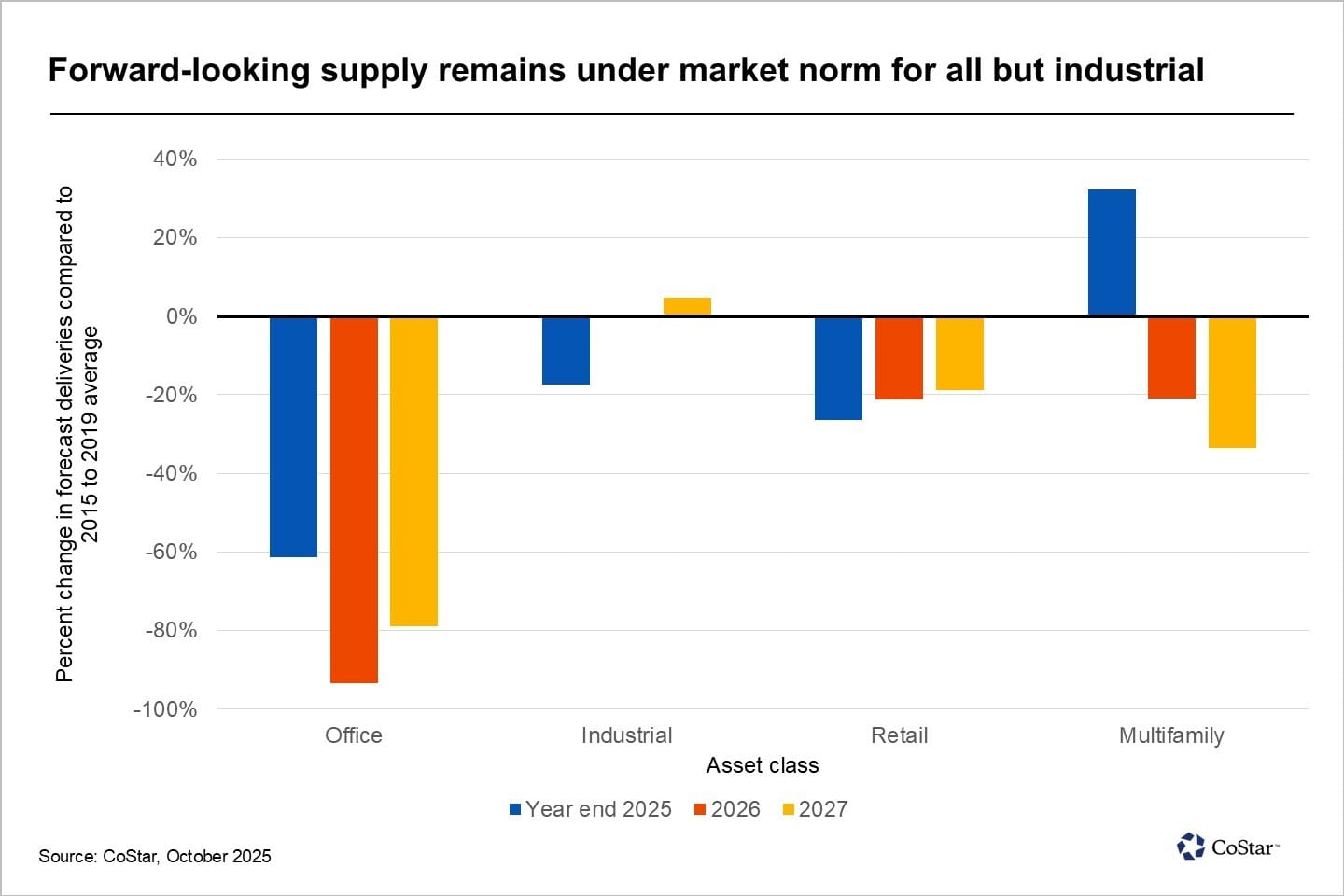
The DFW market is transitioning into a new construction phase marked by a slowdown in office development, a more selective approach to industrial projects, and an evolving housing landscape shaped by affordability and population growth. Developers are recalibrating their priorities, and for real estate professionals, understanding these shifts offers a critical edge in navigating—and capitalizing on—the next phase of the metroplex’s growth.
A new federal lawsuit claims Zillow pushed homebuyers toward Zillow Home Loans by rewarding affiliated agents with valuable leads — all without proper disclosure. The suit alleges undisclosed incentives, referral quotas, and potential RESPA violations, raising major concerns about steering, fiduciary duties, and Zillow’s expanding mortgage ambitions.
The mortgage industry is evolving fast, and the lenders who come out on top will be those who innovate without uprooting what already works. By building on strong technology foundations, streamlining workflows and adopting smart automation, lenders can reduce costs, improve customer experience and stay resilient in any market cycle. This article breaks down why innovation matters now, how a stable tech ecosystem protects lenders in volatile conditions and why small, strategic steps can drive long-term transformation.