The U.S. real estate market is on the brink of a profound transformation as it heads into 2025. This metamorphosis is fueled by a plethora of factors, including economic fluctuations, demographic transitions, and technological breakthroughs.

1. Economic Landscape in 2025


The broader economic context will be a pivotal influence on the real estate market. As the U.S. economy steps into 2025, the ramifications of economic policies, inflation, and labor market dynamics will become increasingly visible. Key economic indicators to watch include:

  • Interest Rates and Inflation: The Federal Reserve’s monetary strategies will significantly impact real estate prices. As the Fed tweaks interest rates to tackle inflation, shifts in the housing market are anticipated. A prolonged period of high interest rates could dampen housing market demand.
  • Inflation’s Impact on Building Costs: Inflation continues to affect construction expenses, making real estate development costlier due to supply chain challenges, material costs, and labor shortages.
  • GDP Growth and Consumer Confidence: Economic growth, as indicated by GDP, will directly impact consumer confidence and purchasing abilities. Stable growth may encourage investments in housing or commercial properties, while uncertainty could delay decisions.

2. Residential Real Estate: A Varied Outlook


The U.S. residential real estate market is expected to face challenges as well as opportunities. Important factors shaping housing prices, sales, and demand include:

  • Housing Supply Constraints: Persistent shortages in housing, particularly affordable homes, continue to drive prices upwards, especially in metropolitan and suburban areas.
  • Generation Z and Millennial Buyers: The preferences of these tech-savvy demographics, such as sustainability and smart home features, will crucially influence market trends.
  • The Affordability Challenge: The persistent affordability crisis, exacerbated by rising mortgage rates, may push first-time buyers out, elevating demand for rental properties, especially multifamily units and suburban homes.

3. Commercial Real Estate: A Sector in Transition


Commercial real estate is at a pivotal junction, adapting to changing work models and consumer behaviors:

  • Office Space Evolution: The rise of remote work is altering demand for office spaces. Traditional office settings might decline in urban centers, whereas flexible workspaces could gain traction.
  • Retail Adjustments: Despite e-commerce continuing to surge, experiential retail spaces such as entertainment venues might thrive.
  • Industrial and Logistics Properties: The booms of e-commerce necessitate more industrial spaces like warehouses for efficient supply chains.
  • Healthcare and Data Centers: With an aging population, demand for healthcare infrastructure grows, while data centers support the burgeoning digital economy.

4. Technological Transformation and Real Estate Innovation


Technology is reshaping real estate operations, driving innovations like:

  • Smart Homes and Automation: Integrated tech will appeal to younger, tech-savvy buyers. Energy-efficient systems are essential for commercial spaces.
  • AI and Big Data in Real Estate Investment: AI and big data are set to revolutionize investment strategies through improved analytics and forecasting.
  • Virtual Reality and Augmented Reality: VR and AR tools will revolutionize property viewings, offering buyers virtual explorations from afar.

5. Regional Variations: Shifting Migration Patterns


Regional real estate trends remain influenced by migration patterns:

  • Suburban and Secondary Markets Growth: The search for larger, affordable homes is boosting interest in suburban locales.
  • Urban Revitalization and Gentrification: Certain cities could undergo urban renewal, driven by tech growth and young professionals.

The U.S. real estate market heading into 2025 is a dynamic landscape marked by challenges and the need for adaptive strategies, ushering in both hurdles and prospects. For more insights, visit the original article from The Africa Logistics.

More Articles

Getting licensed or staying ahead in your career can be a journey—but it doesn’t have to be overwhelming. Grab your favorite coffee or tea, take a moment to relax, and browse through our articles. Whether you’re just starting out or renewing your expertise, we’ve got tips, insights, and advice to keep you moving forward. Here’s to your success—one sip and one step at a time!

Free Money in 2026? The Truth About the DOGE Dividend Stimulus Check

The DOGE Dividend: What You Need to Know About the Proposed 2026 Stimulus Check Hey there! If you’ve been wondering #ReadMore

Navigating Seller’s Market: Twin Cities Housing Trends and Predictions for 2024

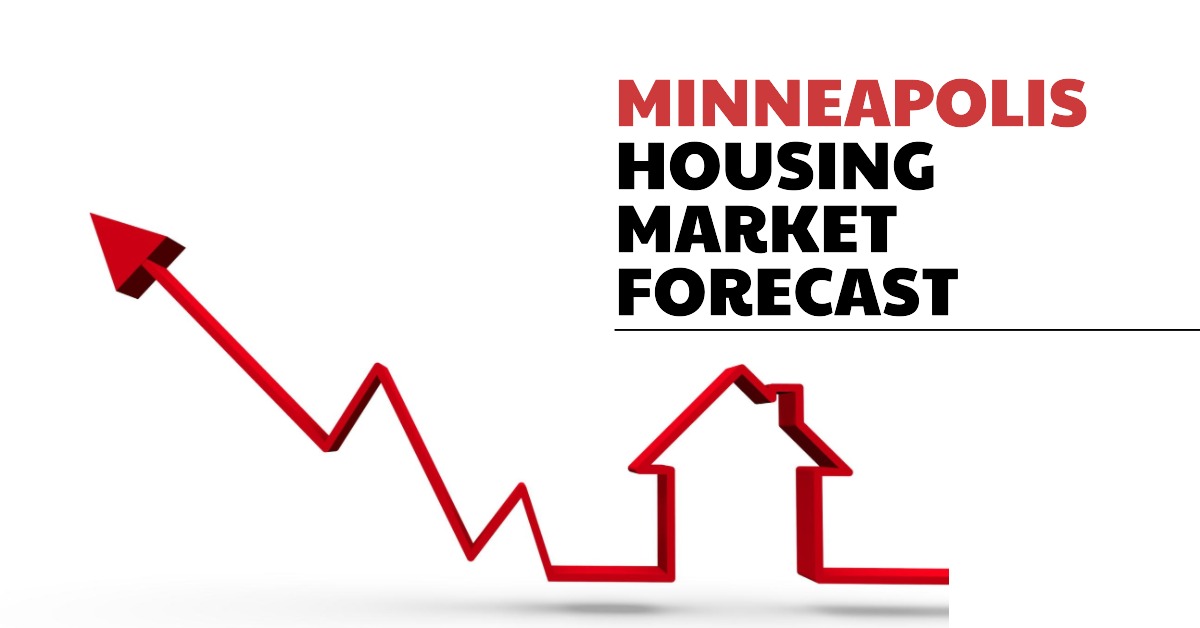
The Minneapolis housing market is currently navigating a complex terrain, marked by a curious blend of optimism and caution. In 2024, home sales in the Twin Cities area experienced a modest uptick of 1.8%.

Future Homes: Sustainability and Smart Technology Shaping Real Estate

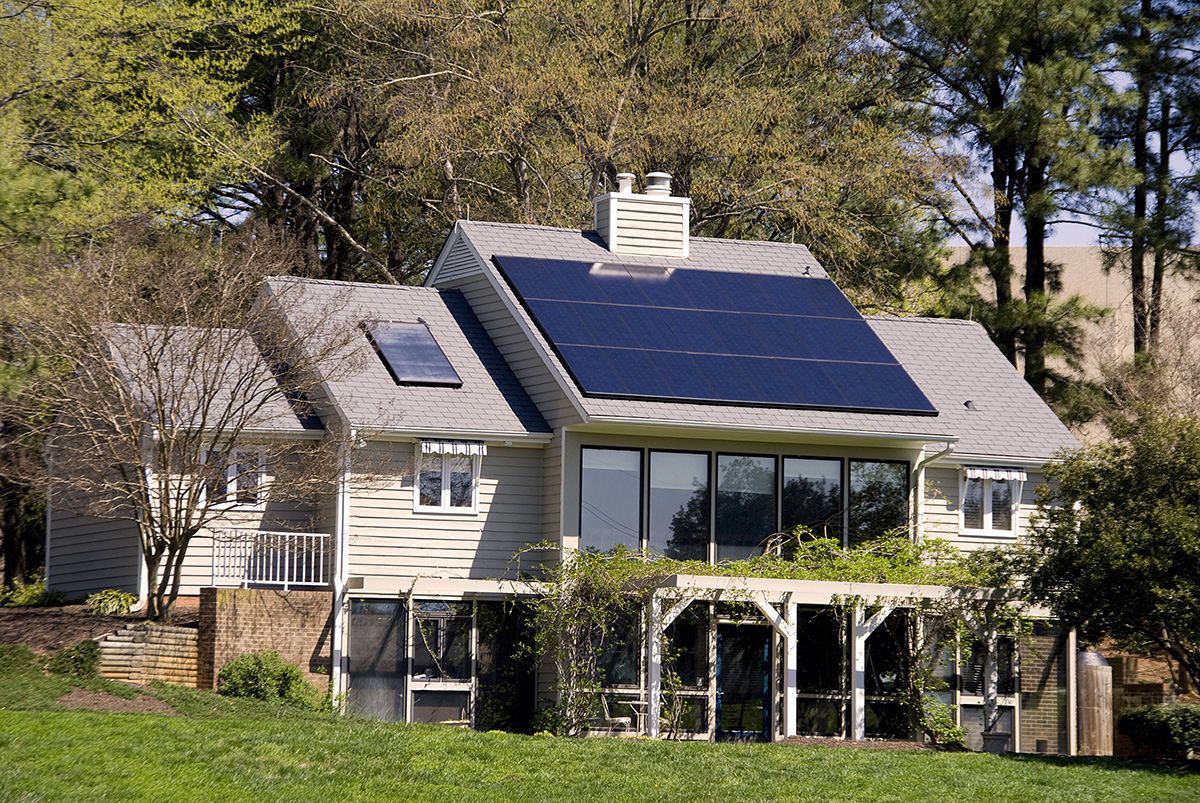
In the ever-evolving landscape of real estate, two groundbreaking trends are shaping the homes of tomorrow: sustainability and smart home technology. As consumers become increasingly aware of their environmental impact and as technology continues to advance at lightning speed, these trends are significantly influencing buying decisions in the residential real estate market.

By |February 25, 2025|Categories: Article, Real Estate, Technology|Tags: , |0 Comments

Harvard Study Projects Dramatic Slowdown in U.S. Household Growth

In a comprehensive analysis by Harvard's Joint Center for Housing Studies, there is a projected increase of 8.6 million households in the United States from 2025 to 2035. This equates to approximately 860,000 new households per year, marking a significant deceleration compared to the post-Great Recession era, which saw a sluggish yet larger gain of 10.1 million households.

By |February 24, 2025|Categories: Article, Demographics, Housing|Tags: , |0 Comments

AI Revolutionizing Real Estate: Predicting Trends and Values

The real estate industry, often seen as conservative, is gradually embracing technological advancements with AI leading the charge. Generative AI is already revolutionizing real estate marketing by enhancing customer experiences and optimizing content creation.

By |February 24, 2025|Categories: Article, Real Estate, Technology/AI|Tags: , |0 Comments

In-Person Work Policies: A Beacon of Hope for Commercial Real Estate

With office occupancy plummeting by 90% from February to March 2020, the impact of remote work was palpable. However, the researchers found that hybrid mandates and adding more in-office days could mitigate some of these challenges.