The U.S. real estate market is on the brink of a profound transformation as it heads into 2025. This metamorphosis is fueled by a plethora of factors, including economic fluctuations, demographic transitions, and technological breakthroughs.

1. Economic Landscape in 2025


The broader economic context will be a pivotal influence on the real estate market. As the U.S. economy steps into 2025, the ramifications of economic policies, inflation, and labor market dynamics will become increasingly visible. Key economic indicators to watch include:

  • Interest Rates and Inflation: The Federal Reserve’s monetary strategies will significantly impact real estate prices. As the Fed tweaks interest rates to tackle inflation, shifts in the housing market are anticipated. A prolonged period of high interest rates could dampen housing market demand.
  • Inflation’s Impact on Building Costs: Inflation continues to affect construction expenses, making real estate development costlier due to supply chain challenges, material costs, and labor shortages.
  • GDP Growth and Consumer Confidence: Economic growth, as indicated by GDP, will directly impact consumer confidence and purchasing abilities. Stable growth may encourage investments in housing or commercial properties, while uncertainty could delay decisions.

2. Residential Real Estate: A Varied Outlook


The U.S. residential real estate market is expected to face challenges as well as opportunities. Important factors shaping housing prices, sales, and demand include:

  • Housing Supply Constraints: Persistent shortages in housing, particularly affordable homes, continue to drive prices upwards, especially in metropolitan and suburban areas.
  • Generation Z and Millennial Buyers: The preferences of these tech-savvy demographics, such as sustainability and smart home features, will crucially influence market trends.
  • The Affordability Challenge: The persistent affordability crisis, exacerbated by rising mortgage rates, may push first-time buyers out, elevating demand for rental properties, especially multifamily units and suburban homes.

3. Commercial Real Estate: A Sector in Transition


Commercial real estate is at a pivotal junction, adapting to changing work models and consumer behaviors:

  • Office Space Evolution: The rise of remote work is altering demand for office spaces. Traditional office settings might decline in urban centers, whereas flexible workspaces could gain traction.
  • Retail Adjustments: Despite e-commerce continuing to surge, experiential retail spaces such as entertainment venues might thrive.
  • Industrial and Logistics Properties: The booms of e-commerce necessitate more industrial spaces like warehouses for efficient supply chains.
  • Healthcare and Data Centers: With an aging population, demand for healthcare infrastructure grows, while data centers support the burgeoning digital economy.

4. Technological Transformation and Real Estate Innovation


Technology is reshaping real estate operations, driving innovations like:

  • Smart Homes and Automation: Integrated tech will appeal to younger, tech-savvy buyers. Energy-efficient systems are essential for commercial spaces.
  • AI and Big Data in Real Estate Investment: AI and big data are set to revolutionize investment strategies through improved analytics and forecasting.
  • Virtual Reality and Augmented Reality: VR and AR tools will revolutionize property viewings, offering buyers virtual explorations from afar.

5. Regional Variations: Shifting Migration Patterns


Regional real estate trends remain influenced by migration patterns:

  • Suburban and Secondary Markets Growth: The search for larger, affordable homes is boosting interest in suburban locales.
  • Urban Revitalization and Gentrification: Certain cities could undergo urban renewal, driven by tech growth and young professionals.

The U.S. real estate market heading into 2025 is a dynamic landscape marked by challenges and the need for adaptive strategies, ushering in both hurdles and prospects. For more insights, visit the original article from The Africa Logistics.

More Articles

Getting licensed or staying ahead in your career can be a journey—but it doesn’t have to be overwhelming. Grab your favorite coffee or tea, take a moment to relax, and browse through our articles. Whether you’re just starting out or renewing your expertise, we’ve got tips, insights, and advice to keep you moving forward. Here’s to your success—one sip and one step at a time!

Florida Home Insurance Rates Expected To Drop in 2026 as Market Finally Stabilizes

After years of sharp increases and shrinking coverage options, Florida’s home insurance market is showing its strongest signs of recovery yet. Multiple insurers are proposing significant premium cuts for 2026 — some in the double digits — as storm‑loss data improves and private carriers re‑enter the state. Citizens Insurance is also seeking its first broad rate reduction in a decade, potentially lowering costs for millions of homeowners. This shift could boost affordability and confidence across Florida’s real estate and mortgage markets heading into the new year.

The AI Startup Quietly Dominating Fintech: How Salient Hit $500M in Two Years

An AI company that began in a bedroom is now shaking the foundations of the lending industry. Salient, led by CEO Ari Malik, has skyrocketed to a $500 million valuation by fixing one of finance’s messiest problems: debt servicing. With zero customer churn, 100% pilot-to-contract conversions, and AI agents reportedly 30 times more compliant than humans, Salient is redefining how lenders manage loans. Its rapid rise highlights a new era where trust, regulation‑ready AI, and deep industry understanding are becoming essential for professionals across real estate, mortgage, finance, and insurance.

How Redmond’s Prisma Project Is Transforming Affordable Housing Near Transit

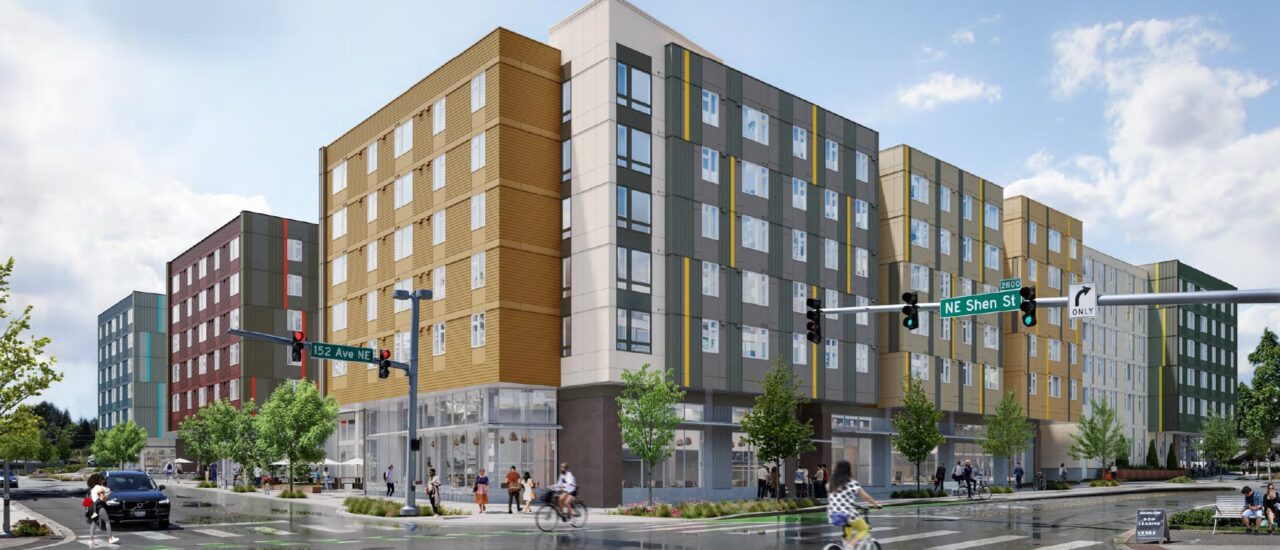
Redmond, Washington is tackling its housing crisis with Prisma, a six‑story, transit‑oriented development built on discounted surplus land from Sound Transit. The project will deliver 328 deeply affordable units—most reserved for households earning 50 percent of AMI or less, including families and people with disabilities. Enabled by a rare cross‑sector funding partnership, Prisma showcases how cities can combine transit investment, public resources, and private support to create long‑term, equitable housing solutions.

Florida’s Citizens Insurance Proposes Rare Rate Cuts for 2026

Citizens Property Insurance Corp. is recommending rate decreases for millions of Florida homeowners in 2026, marking the first potential premium drop in over a decade. If approved by state regulators, personal-line policies would fall an average of 2.6%, with some homeowners seeing reductions up to 11.5%. The shift reflects growing market stability driven by recent insurance reforms and increased private‑sector participation, though not all counties will benefit equally.

Is AI Really Taking Over Finance Jobs? Why Wall Street’s Layoff Panic Is Mostly Hype

Despite alarming headlines, experts say AI isn’t the true driver behind Wall Street job cuts. Major banks like JPMorgan and Goldman Sachs are trimming staff, but economists point to post‑pandemic overhiring and economic uncertainty—not robots—as the real cause. While banks are investing heavily in AI tools, actual AI‑driven layoffs remain minimal. Instead, AI is slowing new hiring, reshaping roles, and pushing professionals across finance, real estate, and other industries to upskill rather than fear replacement.

How AI Is Driving Explosive Proptech Growth in 2025

Artificial intelligence is reshaping the real estate industry in 2025, powering a new surge of growth and maturity in the proptech sector. AI tools once considered experimental—such as predictive analytics, automated valuations, and digital transaction platforms—are now becoming essential to real estate, mortgage, insurance, and finance workflows. With rising investor confidence and widespread professional adoption, AI‑driven proptech is transforming how the industry operates and what skills modern professionals need to stay competitive.