“`html U. S. Real estate market outlook for 2025 As we edge closer to 2025, the U.S. real estate market stands at a pivotal juncture. A confluence of economic shifts, demographic changes, and technological advancements is set to redefine the landscape, impacting both housing and commercial real estate sectors profoundly. This transformation, detailed in a recent analysis by The Africa Logistics, highlights the challenges and opportunities that lie ahead.

The Economic Landscape

The broader economic context will be a significant determinant of real estate market dynamics. As we approach 2025, key economic indicators such as interest rates and inflation are poised to influence market activity. The Federal Reserve’s monetary policies will play a crucial role; their adjustments to interest rates could either cool or spur real estate activity. Elevated interest rates may dampen housing demand, while ongoing inflation continues to pressure construction costs, potentially leading to higher prices or reduced new projects.

Residential Real Estate: A Mixed Outlook

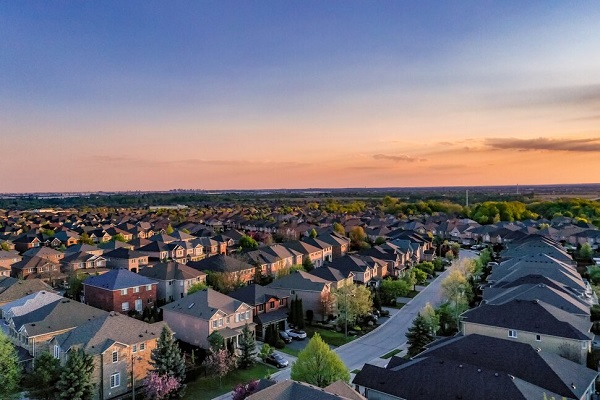
The residential sector faces a dual reality of challenges and opportunities. A persistent shortage of housing inventory, particularly affordable homes, continues to drive up prices. This scarcity is exacerbated by supply constraints and rising mortgage rates, which may push first-time buyers out of the market. However, the entry of Generation Z and Millennials into the housing market will shape demand patterns, with a preference for tech-savvy, sustainable living spaces.

Commercial Real Estate: A Sector in Transition

Commercial real estate is at a crossroads, adapting to post-pandemic realities and evolving consumer behaviors. The office space landscape is shifting with the rise of remote work, leading to a potential decline in demand for large urban office spaces. Meanwhile, the retail sector must navigate the ongoing e-commerce boom, focusing on experiential offerings. Industrial properties, driven by e-commerce and logistics needs, are expected to see continued growth.

Technological Transformation

Technology is revolutionizing the real estate industry, from smart homes to AI-driven investment strategies. The integration of smart technology in buildings appeals to tech-savvy buyers, while AI and big data enhance investment decision-making. Virtual and augmented reality tools are also transforming property viewing experiences, making them more accessible and efficient.

Regional Variations

Migration patterns, fueled by remote work policies, will continue to shape regional real estate trends. Suburban and secondary markets are witnessing growth as people seek affordable living spaces outside expensive metropolitan areas. Simultaneously, urban centers are experiencing revitalization, driven by mixed-use developments and urban renewal projects.
As the U.S. real estate market navigates these changes, investors and developers must remain agile, leveraging technological tools and staying attuned to market trends. The landscape promises to be dynamic, driven by economic forces and innovative solutions to meet modern demands.
For further insights, explore related articles: “`

More Articles

Getting licensed or staying ahead in your career can be a journey—but it doesn’t have to be overwhelming. Grab your favorite coffee or tea, take a moment to relax, and browse through our articles. Whether you’re just starting out or renewing your expertise, we’ve got tips, insights, and advice to keep you moving forward. Here’s to your success—one sip and one step at a time!

Florida Real Estate Pre-License Class Starting April 13, 2026 – Only 9 Seats Left | Cameron Academy Orlando

Cameron Academy's state-approved 63-hour Florida Real Estate Sales Associate Pre-License Course begins April 13, 2026 at the Dr. Phillips campus in Orlando. Attend in person or join live via Zoom. Morning schedule, expert instruction, and only 14 seats remaining. Enroll now before this class fills up.

How to Pass the Florida Real Estate Exam on Your First Try (From People Who Did It – With Videos)

The Florida real estate licensing exam is the single biggest gatekeeper between you and a career in one of the nation's most active real estate markets. And the numbers don't sugarcoat it: roughly half of all first-time test-takers in Florida walk out without a passing score. According to data compiled by Colibri Real Estate, Florida's first-time pass rate sits at approximately 51%, with about 41,900 candidates taking the exam each year.

By |March 20, 2026|Categories: Article, Cameron Academy Post|0 Comments

Part-Time vs. Full-Time: Can You Get Your Real Estate License While Working a 9-to-5?

Part-Time vs. Full-Time: Can You Get Your Real Estate License While Working a 9‑to‑5? The honest, data-backed guide to earning your license around a day #ReadMore

By |March 19, 2026|Categories: Article, Cameron Academy Post|0 Comments

Realtor Advocacy Secures Major Wins in Florida’s 2026 Legislative Session

Florida’s 2026 legislative session brought significant victories for real estate professionals, with Realtor advocacy preserving key regulatory structures, strengthening property rights, improving major housing programs, and protecting agents from new liabilities. From blocking the dismantling of the Florida Real Estate Commission to advancing bills that support safer, more transparent transactions, these wins shape a more stable future for Florida agents, brokers, and consumers.

AI Listing Photos Are Becoming Too Real — And Too Misleading

AI‑enhanced listing images are transforming real estate marketing, but they’re also creating a growing trust problem. Tools that once simply brightened rooms can now erase damage, add furniture, or even generate entirely new scenes, fueling a trend known as “housefishing.” As complaints rise and states like California introduce disclosure laws, the industry is being forced to confront a new reality: the more perfect the photos get, the more renters and buyers crave authenticity.

Hurricane Milton Supplemental Claim Deadline Approaches for Florida Homeowners

Florida homeowners hit by Hurricane Milton face an important April 9 deadline to file or reopen supplemental insurance claims. With more than 385,000 claims and over 5.6 billion dollars in losses already reported, experts warn that waiting until construction is completed could leave families without the additional funds they’re owed. An 18‑month window applies to supplemental claims, and missing it could cause insurance companies to deny further reimbursement.