UAE’s Vision for Desert Expansion and Urban Innovation
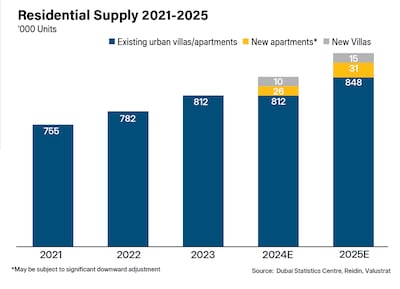
In a bold move to accommodate its rapidly growing population, the UAE is set to transform its expansive desert landscapes into thriving residential communities. This strategic development aligns with the nation’s commitment to harnessing natural resources and implementing the ’15-minute city’ model. This urban planning concept aims to make essential amenities accessible within a short walk, enhancing city life and promoting climate resilience.
Population Surge and Urban Planning
The population of Dubai is projected to nearly double by 2040, driven by its dynamic economy and global connectivity. According to the Dubai Statistics Centre, approximately 25,700 people relocated to the city in the first quarter of 2024. Other cities, including Abu Dhabi, Ras Al Khaimah, and Sharjah, are also experiencing increased migration.
Prof Carlos Moreno from IAE Paris Sorbonne University emphasizes the need for innovative urban planning to address the challenges and opportunities this growth presents. He envisions ‘proxilience,’ a concept promoting resilience through proximity and accessibility to community facilities.
Optimism at Big 5 Global
At the recent Big 5 Global event in Dubai, industry leaders expressed optimism about the UAE’s demographic potential. Discussions highlighted the importance of integrating residential, commercial, and recreational spaces to enhance quality of life.
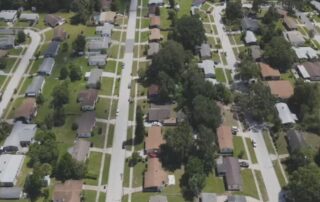
As central areas in Abu Dhabi and Dubai become more crowded, developers are turning to peripheral lands for expansion, similar to suburban growth in North American cities. Areas like Al Ain Road and Dubai South are evolving from city fringes to self-sufficient communities.
Commercial real estate experts, including Jay French and Jack Sellers, predict these areas will become vibrant communities fueled by off-plan purchases, while traditional prime real estate remains valuable.
Building Smarter for the Future
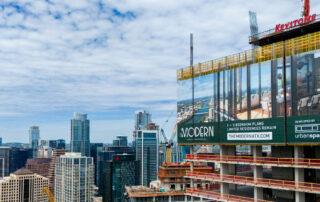
The construction sector faces increased pressure to innovate. Jay French advocates for using steel framing, a sustainable method suitable for modular construction, to meet the demands of rapid urban expansion.
Despite the overall optimism, experts caution that maintaining inclusivity and infrastructure development is crucial for sustaining quality of life in growing urban spaces. Balancing economic progress with community well-being remains a challenge for the UAE’s urban planners.
More Articles
Getting licensed or staying ahead in your career can be a journey—but it doesn’t have to be overwhelming. Grab your favorite coffee or tea, take a moment to relax, and browse through our articles. Whether you’re just starting out or renewing your expertise, we’ve got tips, insights, and advice to keep you moving forward. Here’s to your success—one sip and one step at a time!
After years of soaring premiums and insurer instability, Florida’s property insurance market is finally turning a corner. Major carriers have filed 83 requests for rate decreases heading into 2026, with companies like Florida Peninsula and Patriot Select proposing cuts of 8.4% and 11.3%. Some homeowners may see relief as early as next month, signaling a long‑awaited shift toward market stability.
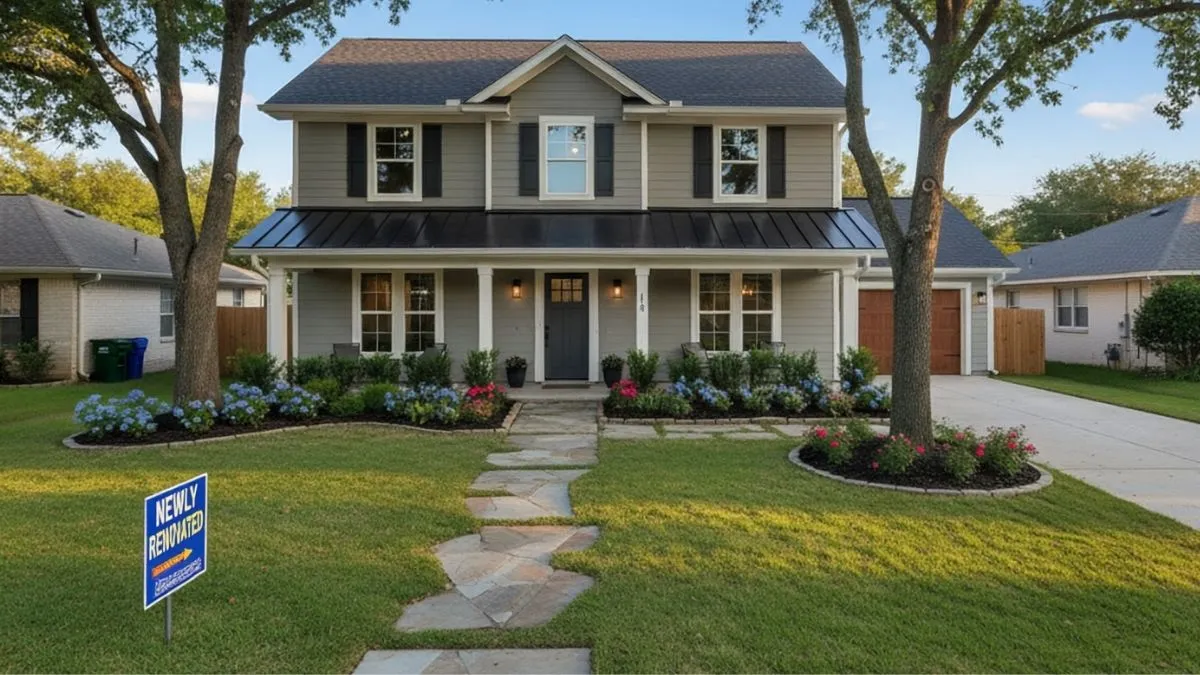
Fix-and-flip investing is gearing up for one of its strongest years in a decade as 2026 approaches. With cheaper capital, more accessible funding, easing interest rates, and long-awaited increases in housing inventory, investors are finding the perfect environment to launch or scale renovation-based real estate businesses. Renovation continues to outpace new construction in cost and speed, and demand for move-in-ready homes remains high, making 2026 a powerful opportunity window for both new and experienced investors.
After a short-lived period of relief in 2025, the U.S. rental market may be headed for a tighter, more expensive 2026. With construction starts dropping nearly 11% and completions plunging 42%, the surge of new apartments that helped lower rents is rapidly drying up. Rising costs, shrinking inventory, and a slowdown in new development point to a potential rental crunch that could leave renters facing heavier competition and higher prices across major markets next year.
The commercial real estate market is entering a rare reset that experts say mirrors the post‑2008 boom, creating a potential window for disciplined investors. With trillions in commercial debt coming due and property values dropping up to 40%, firms like AARE are positioning themselves to acquire assets below replacement cost—an advantage that could set the stage for significant long‑term growth.
Commercial real estate is entering a reinvention phase, with AI‑driven productivity, modernized office demand, experience‑focused retail, expanding industrial logistics, creative housing solutions, and sustainability‑centered design all accelerating nationwide. These six forces are shaping how investors, brokers, and future licensees will operate in a rapidly evolving U.S. market.
After years of economic uncertainty and cautious decision‑making, 2026 is shaping up to be the year professionals finally catch a break. AI is moving from buzzword to essential tool, capital markets are beginning to thaw, and hiring is picking up across real estate, mortgage, insurance, finance, and healthcare. With opportunity returning, many professionals are using this moment to upskill—pursuing new licenses, certifications, and cross‑industry expertise.