“`html

Understanding Drones: Common Misconceptions, Regulations, and Rights

As drones become an increasingly common sight in the skies over the northeastern United States, particularly in Vermont and New York, reactions range from fascination to concerns over privacy. This article aims to clarify aspects surrounding drones, including their size, appearance, regulations enforced by the Federal Aviation Administration (FAA), and misconceptions about airspace rights.


What is a Drone?

Also known as Unmanned Aircraft Systems (UAS), drones are remote-controlled devices capable of high-speed flights and capturing high-definition imagery. Recent technological advancements have increased their accessibility. According to the FAA website, these devices have become a staple in both recreational and commercial applications.


Types and Appearance

Drones mainly fall into two categories: quadcopters, commonly known with four rotors, and fixed-wing types, akin to miniature airplanes. Quadcopter drones are renowned for their vertical takeoff and landing capabilities, as well as their maneuverability.


Regulations and Licenses

The FAA oversees drone operations with stringent regulations. No license is required for recreational use, but operators must complete an online course. Commercial drone operators need a Part 107 license, which allows them to fly drones for work or business purposes.


Flying Restrictions

Drones cannot be flown over 100 mph or above 400 feet AGL. Specific airspace classifications dictate flying protocols to ensure safety and prevent interference with manned aircraft.


Legal Misconceptions

One of the most common misconceptions is whether it is legal to shoot down a drone flying over private property. The Cornell Law School clarifies that it is illegal to shoot down drones, as this act is considered a crime similar to shooting at an aircraft, carrying severe legal consequences.


Learn More

For those interested in learning more about drones, the FAA website offers detailed regulations and FAQs about drone usage.


Michael Cusanelli, a licensed UAS pilot, authored this insightful piece, originally published by WPTZ, aiming to inform the public about legal and safe drone usage.


“`

More Articles

Getting licensed or staying ahead in your career can be a journey—but it doesn’t have to be overwhelming. Grab your favorite coffee or tea, take a moment to relax, and browse through our articles. Whether you’re just starting out or renewing your expertise, we’ve got tips, insights, and advice to keep you moving forward. Here’s to your success—one sip and one step at a time!

The Transformation of Insurance Through Customer-Centric Ecosystems

In the fast-evolving world of insurance, a transformative shift is underway, driven by the development of customer-centric ecosystems. As highlighted in a comprehensive study by EY, insurance ecosystems are reshaping the industry by focusing on customer engagement, trust, and operational excellence.

Ethical Challenges of AI in Radiography: Insights from Radiographers

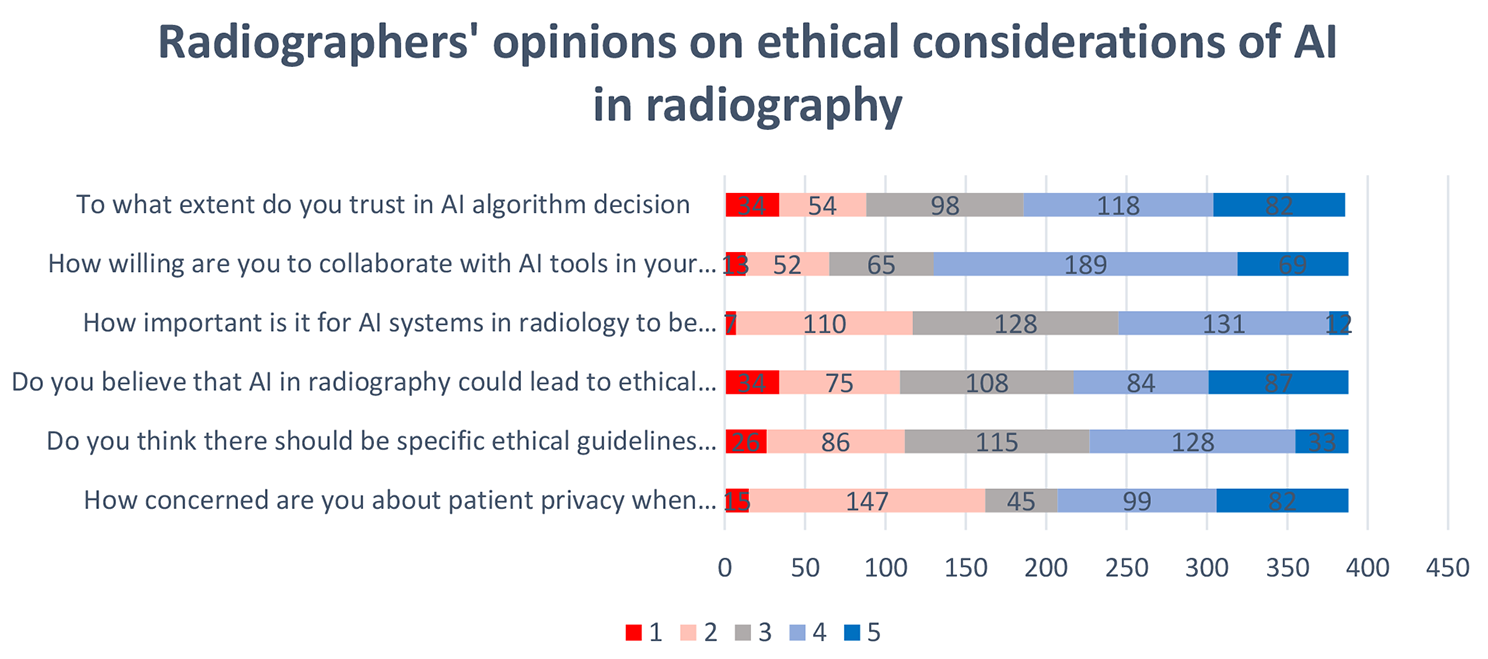
The integration of artificial intelligence in radiography brings a host of ethical challenges that demand careful consideration. A recent study highlights the diverse perspectives of radiographers, revealing significant knowledge gaps and varying trust levels in AI-driven decisions. Concerns over patient privacy and the need for dedicated ethical guidelines are pivotal as healthcare embraces AI.

AI in Healthcare: A Transformative Force Today and Tomorrow

AI tools are already delivering significant value and are poised to further transform healthcare. Embracing these changes today will position organizations and individuals to capture the long-term benefits of a more effective, efficient, and personalized healthcare system.

2024 Housing Market Crystal Ball: Transformative Trends for the Next Decade

The housing landscape of 2034 will be more diverse, technologically advanced, and responsive to the needs of an evolving population.

The Future of AI in Pathology: A Market on the Rise

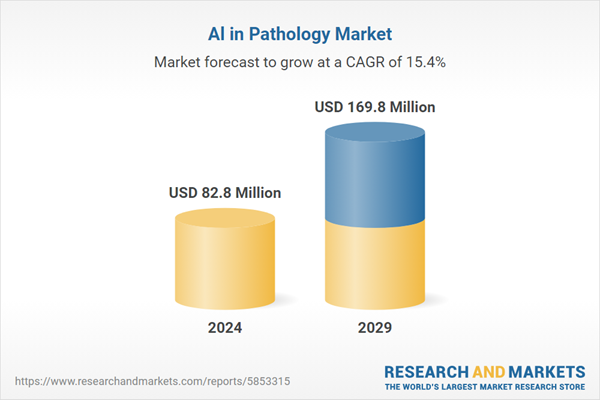
AI in pathology is revolutionizing the field by enhancing the analysis of clinical data, genomic information, and disease progression. These advancements are not only streamlining personalized treatment plans but also optimizing healthcare resource allocation.

By |January 12, 2025|Categories: Article, Healthcare, Technology|Tags: , |0 Comments

Revolutionizing Precision Medicine: AI’s Role in Diabetes and Chronic Disease Management

In an era where data reigns supreme, the integration of artificial intelligence (AI) and machine learning (ML) into the realm of precision medicine is not just a possibility but a burgeoning reality.